










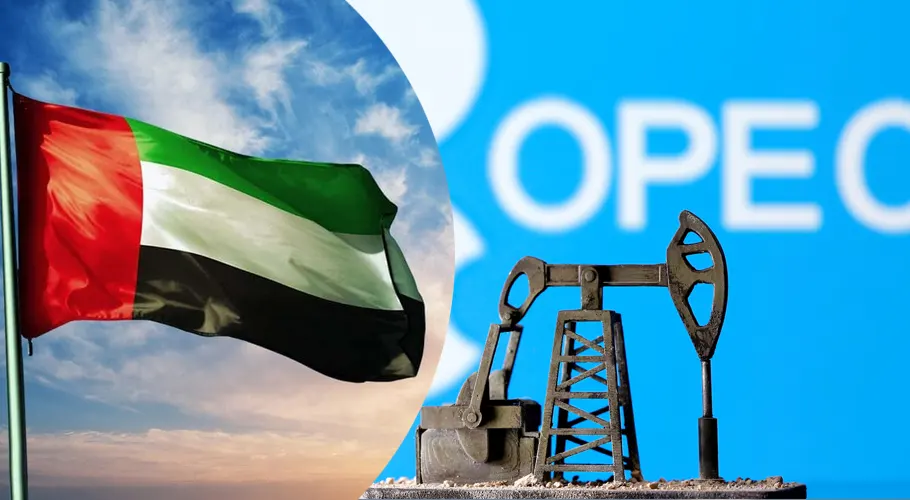
The United Arab Emirates has announced a major shift in its energy policy, confirming its decision to withdraw from OPEC after more than 50 years of membership.
The move, which will take effect on May 1, comes as the oil alliance prepares for a key meeting in Vienna, and also includes the UAE’s exit from the wider OPEC+ group. Officials say the decision reflects long-term strategic priorities and changing global energy dynamics.
UAE Minister of Energy and Infrastructure Suhail Al Mazrouei said the move reflects a “policy-driven evolution” aligned with long-term global market fundamentals.
قرار دولة الإمارات الخروج من منظمة أوبك يتماشى مع التطور المستند إلى سياسات القطاع والمتوافق مع أساسيات السوق طويلة الأمد. ونعرب عن تقديرنا لأوبك والدول الأعضاء على عقود من التعاون البنّاء. ونؤكد استمرار التزامنا بأمن الطاقة من خلال توفير إمدادات موثوقة ومسؤولة ومنخفضة…
— سهيل المزروعي (@HESuhail) April 28, 2026
He thanked OPEC and its member states for decades of cooperation, adding that the UAE remains committed to ensuring energy security and providing reliable, responsible, and lower-carbon energy supplies while supporting stable global markets.
An energy sector source described the timing as “right,” arguing that the decision would benefit consumers and global markets by increasing supply availability at a time when spare capacity remains tight following recent disruptions in the Gulf region and the Strait of Hormuz.
The UAE state news agency WAM reported that the withdrawal follows a comprehensive review of the country’s production policy and future capacity plans, based on national interest.