










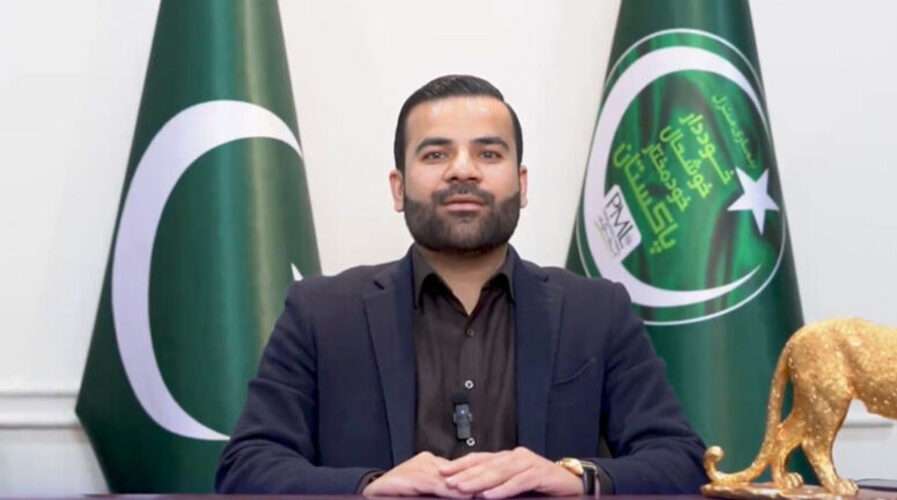
ISLAMABAD: Pakistan’s much-touted shuttle diplomacy in the Gulf has come under fire after Minister of State for Law and Justice Barrister Aqeel Malik revealed that the country gained virtually nothing in terms of relief for its own citizens.
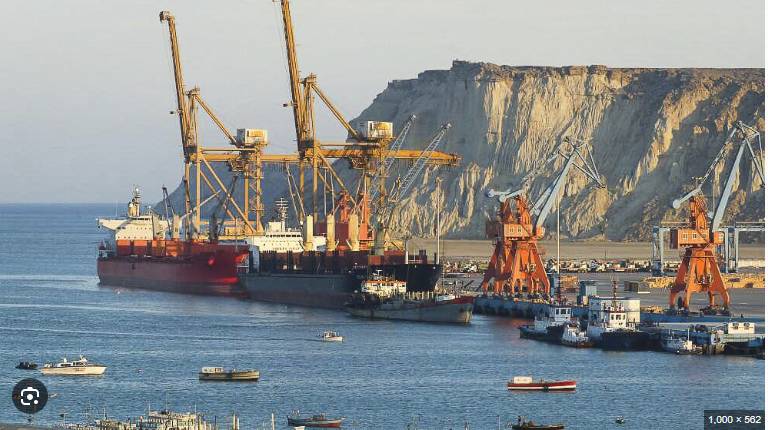
Speaking to a private TV program the other day, Malik disclosed that only two oil shipments arriving in Pakistan were secured at the old prices, while the remaining 20 vessels often cited in official narratives were not Pakistan-bound at all. Instead, those ships were merely allowed passage through the Strait of Hormuz because they were flying the Pakistani flag — a concession reportedly granted by Iran amid regional tensions.
آبنائے ہرمز سے آنے والے 20 جہازوں میں سے صرف 2 جہاز پاکستان آئے ہیں، تیل کے دو جہاز پرانی قیمت پر آئے، تیل سے بھرے باقی جہاز کن ممالک کے تھے، تفصیلات نہیں بتا سکتا، بیرسٹر عقیل ملک pic.twitter.com/JsYST5dS9n
— Shakir Mehmood Awan (@ShakirAwan88) April 3, 2026
The revelation has opened what critics are calling a “new Pandora’s box,” undermining the government’s tall claims of protecting its masses amid securing energy supplies through its mediation efforts.
The clarification by Barrister Aqeel seems aimed at addressing public concerns or rumors about oil imports and pricing during the current geopolitical issues affecting global oil supply routes. If you have a specific clip, post, or date in mind, I can dig deeper!
Adding to the controversy, Malik had no clear answer as to why the federal government raised petroleum prices despite at least two ships arriving with fuel at old rates. His silence on this point has further fueled public anger.
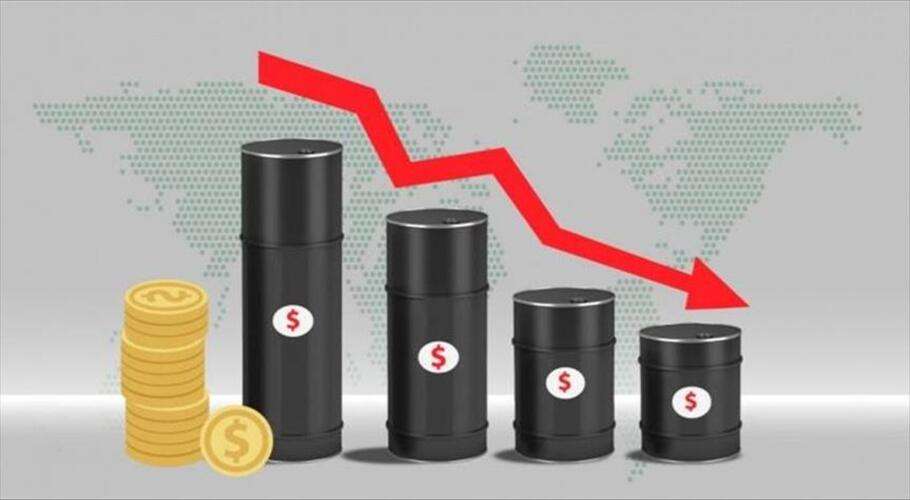
The disclosure comes at a time when petroleum prices have surged sharply, sparking dismay across mainstream and social media. Ordinary Pakistanis, already burdened by inflation, have begun questioning the wisdom of their country’s leadership investing diplomatic capital in Middle Eastern peace efforts while failing to secure tangible benefits for domestic consumption.
Meanwhile, the International Monetary Fund (IMF) has been pressing Pakistan to “do more.” Malik clarified that discussions with the IMF centered only on targeted subsidies, not across-the-board relief, leaving many citizens skeptical about whether any meaningful cushion will reach them.
Analysts note that Islamabad’s role as a mediator was projected as a strategic win for Pakistan’s global standing. However for the public, the outcome appears to be zero-sum: prestige abroad, but no relief at home.