










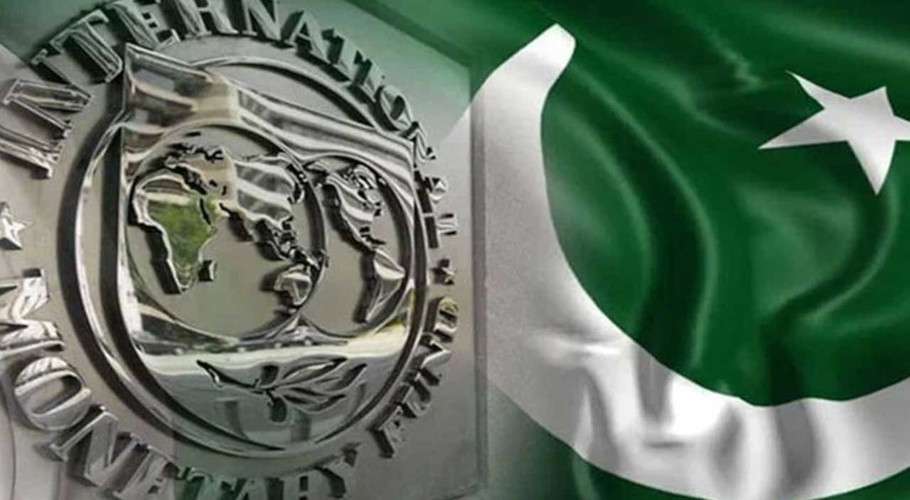
ISLAMABAD: Despite Pakistan’s growing stature as a Middle East peacemaker, the domestic economic squeeze remains relentless; the government has now committed to lifting currency controls and raising interest rates to appease the IMF.
Breaking!
After Fuel Price hike, more is coming!Pakistan has assured the International Monetary Fund (IMF) that to deal with the economic impact of the Middle East conflict, it stands ready to increase interest rates and devalue currency, as the lender has imposed yet another…
— Shahbaz Rana (@81ShahbazRana) April 3, 2026
The move is a prerequisite for a $1 billion disbursement from the ongoing $7 billion bailout package, signaling further belt-tightening for a public already struggling with record inflation.
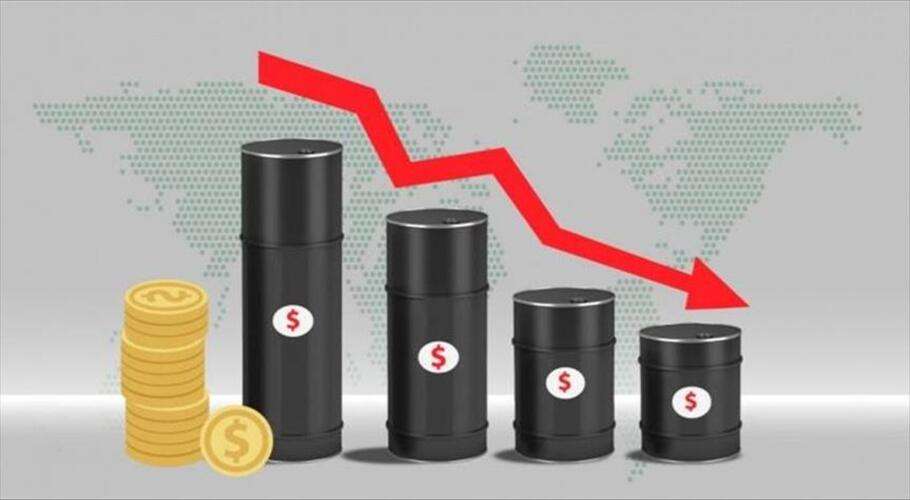
According to a media report, the federal government’s pledge to remove controls on the currency market is intended to address mounting economic pressures fueled by Middle East instability. These regional tensions have triggered import surges and exacerbated domestic inflation, prompting the shift toward greater market liberalization.
According to recent reports, the government is prepared to allow the rupee to devalue further and has agreed to raise interest rates if inflationary targets are breached. Furthermore, a “mini-budget” is reportedly ready for implementation should tax revenue collection miss its mark by the end of December 2025.
Risk of Manipulation
While the IMF pushes for liberalization to invigorate the private sector and attract foreign direct investment (FDI), analysts remain wary. Pakistan’s relatively small foreign exchange market is susceptible to manipulation once state oversight is fully withdrawn.
In preparation for this transition, the State Bank of Pakistan (SBP) has already begun easing bank regulations, moving toward a system of risk-based verification to facilitate faster transactions.
Remittances and the Fiscal Gap
As per the published report, while the government seeks to stabilize macroeconomic conditions, it is also eyeing the country’s most reliable non-debt inflow: remittances. To stay within strict budgetary constraints, the state plans to “refine” existing subsidy mechanisms for these inflows, which currently exceed total export earnings.
The staff-level deal on these “prior actions” paves the way for the fourth tranche disbursement, though for the average citizen, the “peace dividend” remains a distant prospect.