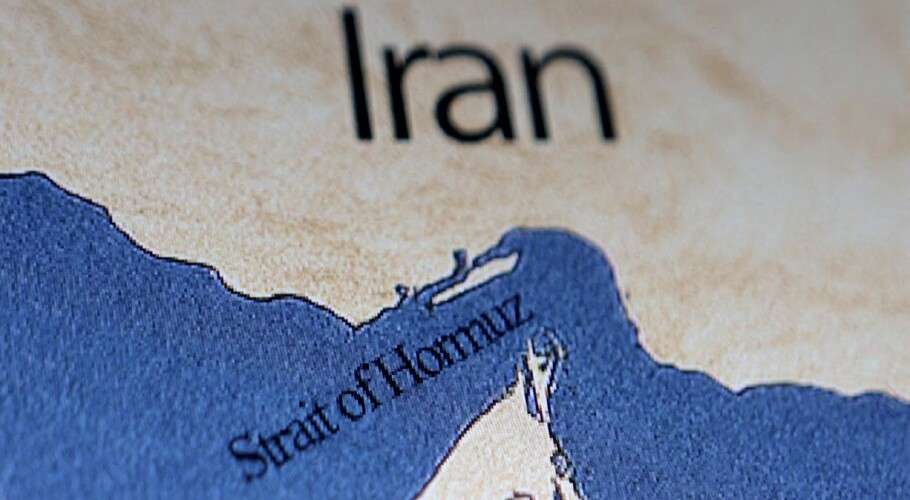
UNITED NATIONS: UN Secretary General Antonio Guterres has announced the creation of a dedicated task force to develop technical mechanisms aimed at safeguarding humanitarian flows through the Strait of Hormuz, as the ongoing conflict in the region threatens to choke global trade routes and trigger a food security crisis.
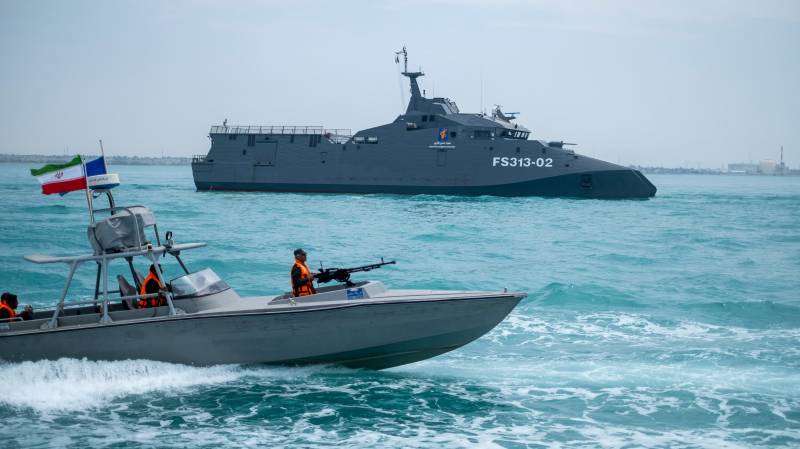
The move comes hours after Tehran signaled a rare diplomatic opening. Reza Najafi, Iran’s representative to the United Nations in Vienna, stated that Iran has agreed to “facilitate the passage of humanitarian shipments through the Strait of Hormuz in response to a UN request,” in a statement carried by the state-run ISNA news agency.
The announcement follows weeks of escalating tensions and military exchanges that have seen maritime traffic through the vital choke-point drop by nearly 90 per cent, sending global oil prices and shipping insurance premiums to record highs.
Addressing reporters in New York, UN spokesman Stephane Dujarric said the new mechanism would specifically prioritise the movement of agricultural essentials.
“This new mechanism for the Strait of Hormuz aims to facilitate fertilizer trade, including the movement of related raw materials,” Mr Dujarric said. He added that the group’s immediate focus is on meeting humanitarian needs, especially fertilizers and agricultural goods, to prevent a “ripple effect” on global hunger.
The spokesperson emphasized that the initiative would not infringe upon regional autonomy. “The mechanism’s operationalisation will be done in close consultation with relevant member states with full respect for national sovereignty and established international legal frameworks,” he said.
The task force is set to be led by Jorge Moreira da Silva, head of the UN Office for Project Services (UNOPS). It will draw on the expertise of several global bodies, including:
– The UN Conference on Trade and Development (UNCTAD)
– The International Maritime Organisation (IMO)
– The International Chamber of Commerce (ICC)
In a statement shared on social media, Mr da Silva expressed readiness to begin the mission. “We are standing by to support this lifesaving operation,” he said. “It is urgent to prevent a massive humanitarian crisis in the Middle East and beyond, including in Africa and Asia, which are heavily import-dependent on fertilisers.”
The Strait of Hormuz, it may be mentioned here, is the world’s most important oil transit chokepoint, through which roughly one-fifth of the world’s oil consumption passes. Diplomatic sources suggest the UN initiative is modeled after previous successful wartime corridors, such as the Black Sea Grain Initiative, aimed at insulating global food supplies from active combat zones.