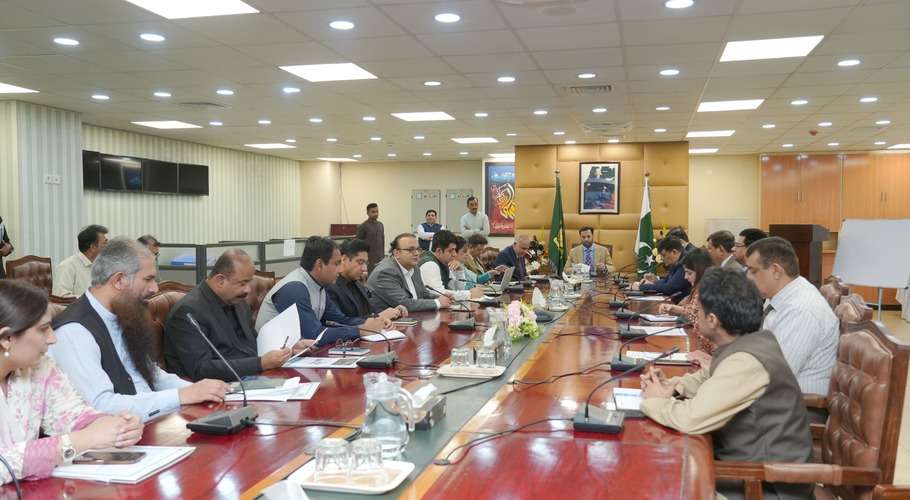











The Pakistan Pharmacy Council has remained without a permanent secretary for the past ten years, raising serious concerns about governance and the future of pharmaceutical education in the country.
For several years, the position of secretary has effectively become a revolving chair, with the charge repeatedly handed over to different additional secretaries on a temporary basis.
As a result of this prolonged administrative instability, the future of more than 900 pharmacy colleges and over 70,000 students is now at stake.
According to details, the Pharmacy Council, which operates under the Ministry of Health, has effectively turned into an administrative testing ground. For the past decade, no permanent secretary has been appointed; instead, interim charge arrangements continue to alternate between different additional secretaries.
Similarly, the post of Director General has also lacked continuity, with three different officers appointed within a single year.
Sources further reveal that preparations are underway to once again assign charge to DRAP officer Dr Akhtar Abbas, who had previously been removed from the position of secretary following orders issued by the Islamabad High Court.
It is pertinent to note that the Islamabad High Court has already directed the federal government to restructure the Council in accordance with the law. Meanwhile, Prime Minister Shehbaz Sharif, in August last year, also ordered an investigation into the Pakistan Pharmacy Council after receiving complaints of corruption.
The continued absence of permanent leadership has intensified concerns among stakeholders, who warn that without urgent reforms, regulatory oversight and the credibility of pharmacy education in Pakistan may suffer long-term damage.