After two years of a bloody war, a major breakthrough has finally emerged in the Middle East. Israel and Hamas have agreed on the first phase of the peace plan presented by U.S. President Donald Trump, which includes a ceasefire, partial withdrawal of Israeli forces, and a prisoner exchange agreement.
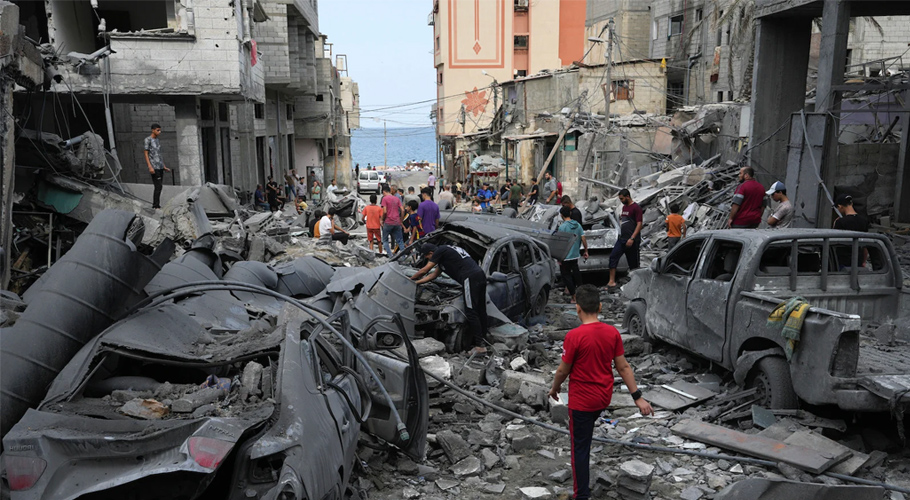
The agreement was reached after indirect talks held in Egypt, a day after the second anniversary of Hamas’s 2023 attack. In response to that attack, Israel had launched a devastating war on Gaza, which displaced millions of Palestinians and killed thousands.
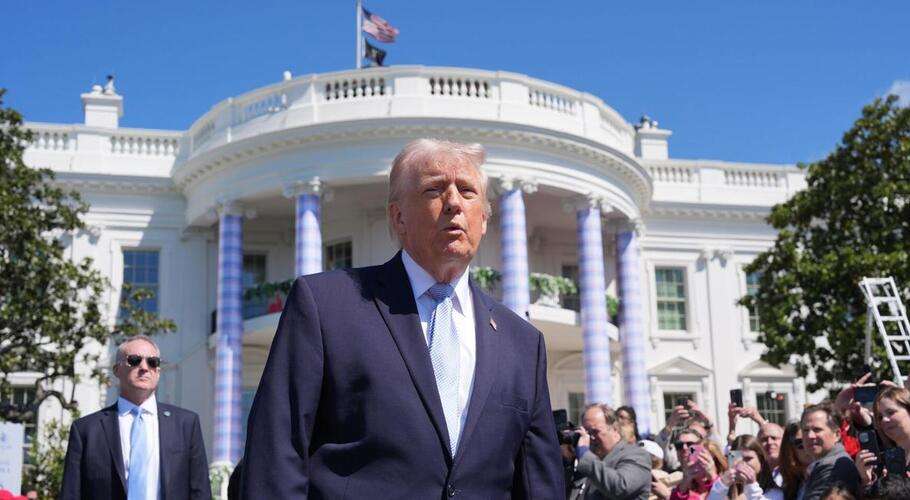
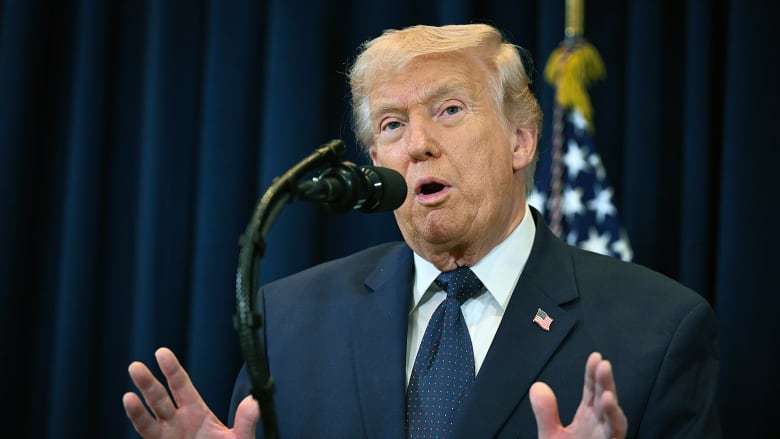
President Trump stated that both Israel and Hamas have signed the initial phase of the agreement. Under it, all Israeli captives (whether alive or deceased) will be released within the next 72 hours, and the Israeli army will withdraw from Gaza back to the “Yellow Line,” designated as the initial withdrawal boundary in the plan.
Hamas has also confirmed that the agreement is based on ending the war, the withdrawal of Israeli forces, and the exchange of prisoners. However, Hamas has called on President Trump and the mediator countries to ensure that Israel fully adheres to its ceasefire commitments.
However, several key aspects remain unclear—such as who will administer Gaza after the war, what the future of Hamas will be, and when the role of the Palestinian Authority will begin.
According to Trump’s 20-point plan, Gaza will be placed under the supervision of an international body called the “Board of Peace,” to be headed by Trump himself, with former British Prime Minister Tony Blair as one of its members.
U.S. officials said that 24 hours after Israel’s approval, its forces will withdraw, after which the 72-hour period for the release of captives will begin.
President Trump will visit Egypt in the coming days and may travel to the Middle East on Friday. Israeli Prime Minister Netanyahu has also invited him to address the Israeli Parliament.
This agreement is being hailed as President Trump’s biggest foreign policy achievement so far. However, risks still remain. Hamas has rejected Israel’s demand to surrender its weapons. According to Hamas, it will not disarm as long as Israeli forces continue to occupy Palestinian territories.
Arab countries supporting the Trump plan stated that the peace initiative should ultimately lead to the independence of a Palestinian state. But Netanyahu has once again made it clear that he is opposed to the establishment of a Palestinian state.
On the other hand, Hamas stated that it will not hand over Gaza’s administration to any foreign entity or to leaders like Tony Blair. Hamas insists on forming a “Palestinian technocrat government” backed by Arab and Muslim nations.