










Karachi had witnessed so many catastrophes in the last 40 years in particular since 1977. In some of these carnages, the role of the state machinery was seriously brought under question.
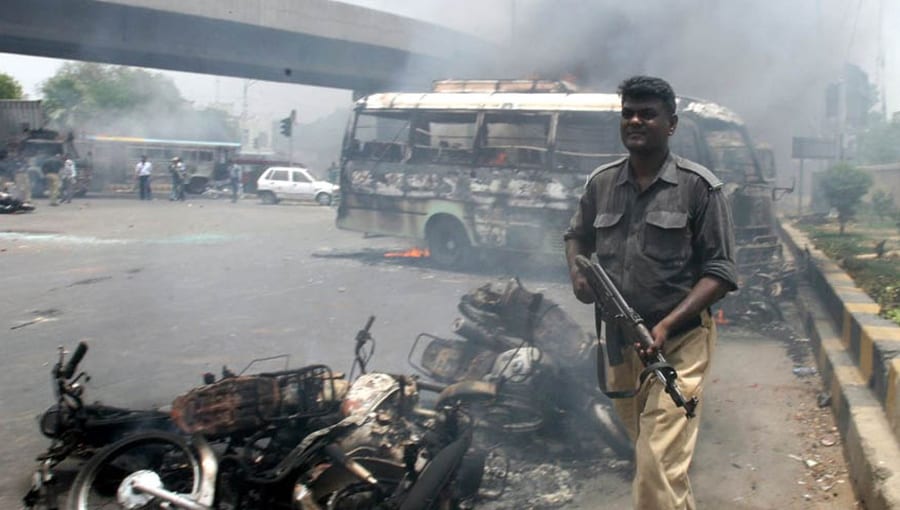
Same thing happened on 12th May. The day is remembered as one of the black days in Karachi’s history when the violence in the city claimed more than 50 lives. It has been 13 years since the incident happened, however, people of Karachi can never forget the bitter memories attached to the day.
So now the question is what actually happened on 12th May? What were the motives behind the incidents? And what steps should the government take to prevent such incidents?
May 12th, 2007
On that day, Rawalpindi saw Pervez Musharraf address a rally alongside the PML-Q leadership and punch the air in defiance. However, it was Karachi that witnessed tragedy and violence as the city appeared to be under siege from the political party that was running the provincial capital at the time, the MQM.
The standoff began when former chief justice Iftikhar Muhammed Chaudhry, who was riding a popular movement against the government of that time, arrived in Karachi on invitation by Karachi lawyers.
Pakistan People’s Party, Jamaat-e-Islami and Awami National Party were allies supporting the top judge. Muttahida Qaumi Movement, an ally with former President Pervez Musharraf, was in power then. Pervez Musharraf desired that Iftikhar Chaudhry not enter the city.
The workers of the allied parties reached the airport to receive the top judge. Gunfights and clashes erupted across Karachi as allied parties and the pro-government MQM activists took to the streets against each other.
Government machinery was used to block all major roads. Police was a silent spectator to the violence. News media was attacked at Guru mandir when MQM activists began firing at AAJ TV headquarters which was shown on live television. In the carnage that ensued, more than 50 people killed with several hundred injured and arrested. The top judge remained confined to the lounge of the Karachi airport all day and had to fly back without attending the gathering.
Who was responsible?
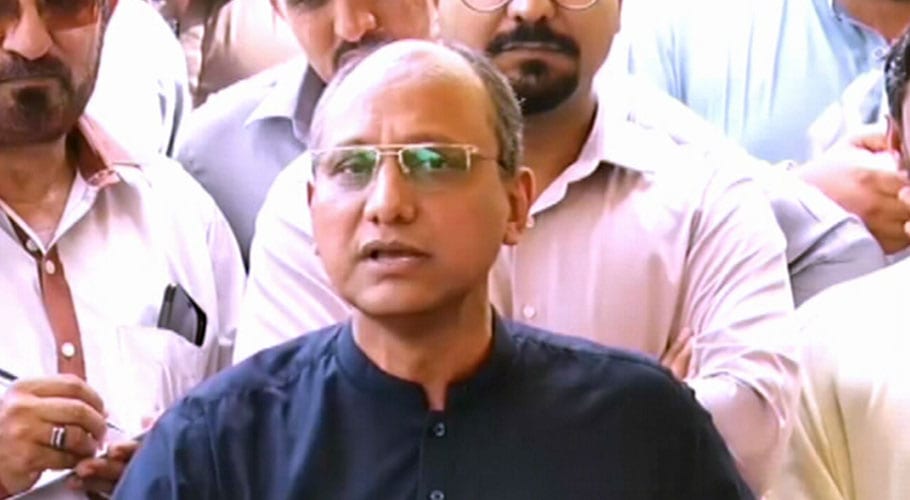
As above mentioned, we already know who wasn’t in favour of the top judge to enter Karachi. On the other hand, Waseem Akhtar, the provincial home adviser to the chief minister, played a frontline role in the May 12 catastrophe.
Waseem Akthar may have been one of the protagonists, but he was neither alone nor remotely the most senior of officials involved in the planning and execution of the violence.
MQM Sindh Assembly member Kamran Farooq, who was arrested by Rangers on charges of possessing grenades and illegal weapons, was accused of being involved in the May 12 incident.
The MPA recorded a confessional statement in which he said that the MQM held a meeting two days before the May 12 incident where important decisions were taken.
Dr. Farooq Sattar, Hamad Siddiqui, and other political leaders were present at the party headquarter Nine Zero while the party’s demand was that the lawyers should not reach Karachi airport under any circumstances.
Assemblymember Kamran Farooq confessed that he and his armed persons blocked several highways in the city on May 12 and opened fire, injuring several people. However, no main culprit, in this case, was ever arrested.
The need for accountability
First, we need to strengthen our law enforcement agencies and judicial systems. Until this system is correct those responsible for any incident, including killings and terrorism, cannot be punished.
Secondly, leaders from democratic parties or dictatorship – if involved in any incidents – should be held accountable. Most political leaders, including dictators, are accused of sponsoring crimes for personal gain, political expediency, and other reasons.
Political bigwigs, bureaucrats, and high-ranked officials will not give up patronizing of the crimes unless the accountability system is strengthened. Therefore, time is needed to root out all the elements that sponsor crime, including political leaders.
ADVERTISEMENT