











KARACHI: The Pakistan Stock Exchange (PSX) endured a steep downturn during the week ended Friday, as investors remained unsettled by economic rumors and global tensions. On the opening day of the business week, the benchmark KSE-100 index recorded a sharp fall of 16,089 points, and over the course of the week, the index shed a total of 10,566 points to close at 157,496, trading within a band of 10,217 points, hitting a weekly high of 161,476 and a low of 151,258.
Trading activity reflected the cautious mood, with 3.28 billion shares changing hands for Rs 181 billion. Market capitalization shrank by Rs 1,231 billion, settling at Rs 17,698 billion by the end of the week.
Analysts attributed the lull primarily to two major factors, i.e. persistent news that the government was considering shifting to a weekly review of petroleum prices instead of the current fortnightly mechanism, something which eventually became reality, and unsettled investors who feared more frequent shocks to inflation and business costs.
At the same time, speculation about the possible reintroduction of the Corona-era work-from-home policy added to uncertainty in sectors dependent on physical activity and consumer mobility.
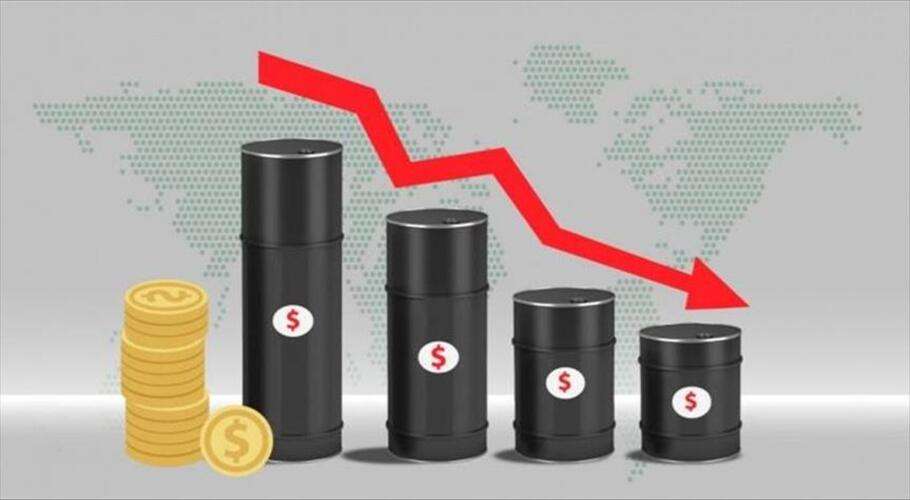
Besides these, the continuing US/Israel–Iran conflict also kept global markets jittery, with fears of oil supply disruptions and rising international crude prices adding to Pakistan’s external vulnerabilities.
Looking ahead, market watchers expect volatility to persist. The government’s announcement late Friday of a Rs 55 per litre increase in petroleum product prices is likely to fuel inflationary pressures in the coming sessions, which may prompt the central bank to maintain a tight monetary stance.
Meanwhile, the trajectory of the Middle East conflict will remain a key determinant of global oil prices, with any escalation likely to worsen Pakistan’s import bill and deepen investor caution. In the near term, the PSX is expected to remain range-bound, with selective interest in defensive sectors, while broader participation may stay muted until clarity emerges on both domestic policy and external shocks.