KARACHI: Pakistani authorities are considering a shift to weekly petroleum product price reviews as regional conflicts disrupt global oil supplies and strain the country’s import bill.
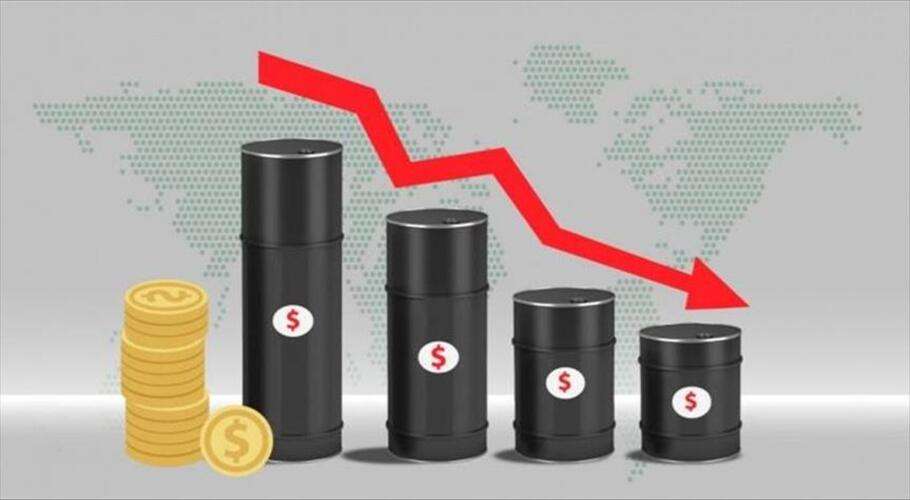
The move comes in the wake of Israel’s and the United States’ strikes on Iran, which have intensified hostilities and led to the reported closure of the Strait of Hormuz—a critical chokepoint for roughly 20% of the world’s oil trade. The shutdown has rippled across the entire Persian Gulf region, sending worldwide oil prices surging and exacerbating Pakistan’s vulnerability as a net oil importer.
Not to forget that in the past month alone, from February 1 to March 1, 2026, government has hiked petroleum product prices twice, adding to consumer strain amid already elevated costs.
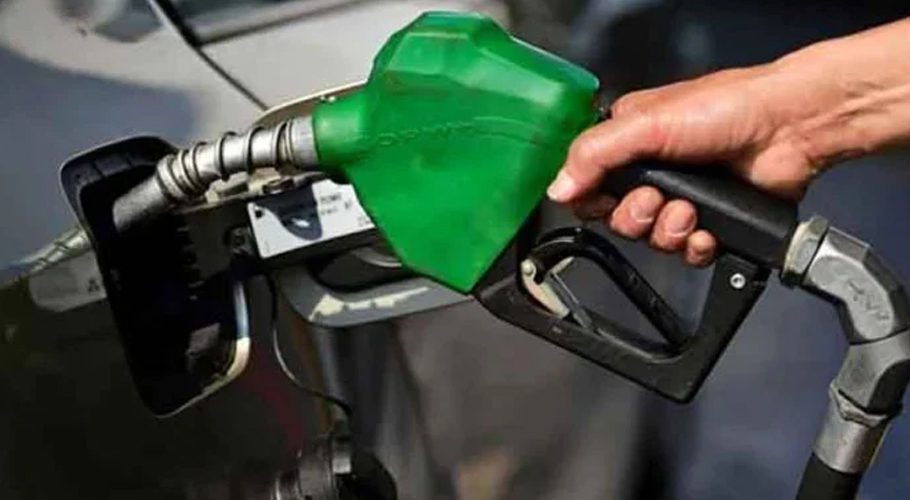
On March 1, petrol rose by Rs8 per litre to Rs266.17, while high-speed diesel (HSD) increased by Rs5.16 to Rs280.86; earlier on February 16, petrol climbed Rs.5 to Rs.258.17 and HSD Rs.7.32 to Rs.275.70.
Current prices effective March 1 stand at Rs.266.17 for petrol, Rs.280.86 for HSD, Rs.167.19 for light diesel oil (unchanged), and Rs.188.73 for kerosene oil.
Market experts as well as analysts believe these back-to-back fortnightly increases signal mounting pressure from global oil volatility, potentially foreshadowing further burdens on households and businesses if Middle East disruptions persist and import costs keep rising.
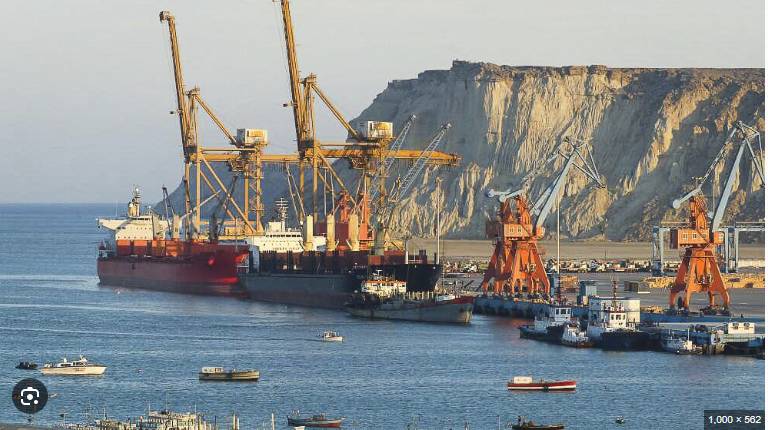
Sources close to Islamabad decision makers indicate that the primary goal of the government is to stabilise supply chains and prevent stockpiling, especially as rising global crude benchmarks threaten to balloon Pakistan’s monthly import costs—already a heavy burden amid foreign exchange constraints. Consultations are ongoing with stakeholders to finalise the model, with a decision expected soon if disruptions persist.