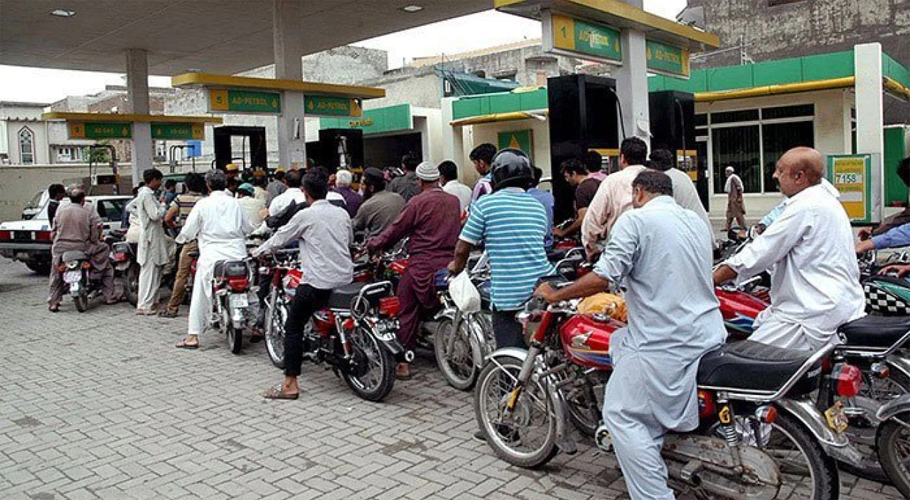
As effects of the ongoing war between Iran and Israel are felt across the globe, oil companies in Pakistan have started limiting fuel supplies to petrol pumps, raising concerns about a possible shortage.
The All Pakistan Petrol Pump Owners Association has written to the prime minister, urging him to take notice of the situation.
In the letter, the association said that oil companies are cancelling supply orders and have imposed their own quotas on fuel deliveries.
According to the association, this move could create an artificial shortage in the market. It has called on the government to intervene immediately and ensure the uninterrupted supply of petroleum products.
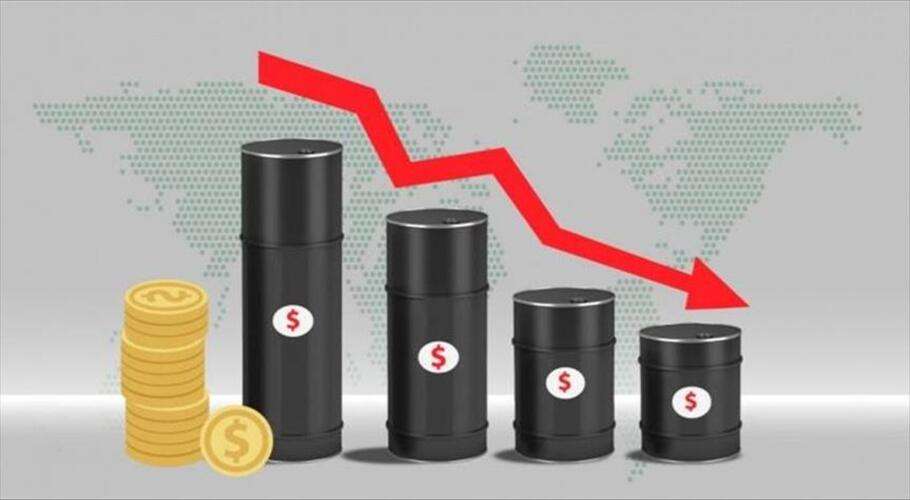
Meanwhile, global oil prices have also risen. Brent crude increased by $1.11, or about 1.4%, reaching $82.53 per barrel.
Similarly, US West Texas Intermediate (WTI) crude climbed by 79 cents to $75.37 per barrel.
Experts say that ongoing tensions in the Middle East are disrupting oil production and exports, putting upward pressure on prices.
Reports indicate that after Israeli and US forces targeted various sites in Iran, Tehran launched attacks on energy infrastructure in the region. Iraq, OPEC’s second-largest oil producer, has reduced its output by nearly 1.5 million barrels per day due to limited storage capacity and export constraints.
Officials warn that if exports are not restored, Iraq may be forced to shut down even more production.
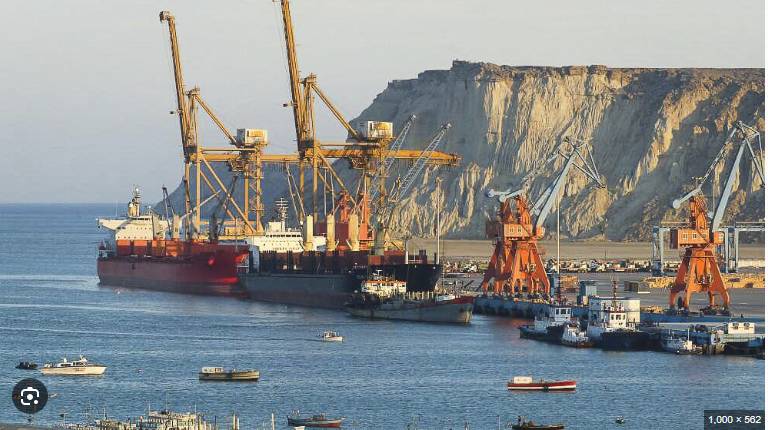
Tensions have also escalated in the Strait of Hormuz, through which nearly one-fifth of the world’s oil and liquefied natural gas supply passes.
According to reports, Iran targeted several tankers, disrupting shipping for several days.
However, further price spikes were temporarily contained after US President Donald Trump said the US Navy could provide security to tankers if necessary.
He also directed measures related to political risk insurance and financial guarantees for maritime trade in the Gulf.
Despite this, shipowners and analysts argue that military protection and insurance alone may not be enough to fully restore confidence.
Several countries and companies are now exploring alternative routes and new energy sources.
India and Indonesia have initiated contacts with other suppliers, while some Chinese refineries are moving ahead with temporary shutdowns or maintenance plans.
Saudi Aramco is also attempting to redirect some exports via the Red Sea instead of the Strait of Hormuz.