










The results of the prestigious Car Design Award 2026 have been announced, with design teams from Audi, Renault and Jeep achieving remarkable success across various categories. Established in 1984 by Auto & Design Magazine, the award is often regarded as the “Oscars” of the automotive industry.
The ceremony took place at the renowned ADI Design Museum in Milan during Milan Design Week, drawing leading figures from the global design community.
The event opened with a special session titled Sustainable Intelligence – Design in the Age of AI, featuring prominent experts including Chris Lefteri, Luca Borgogno, Florian Seidl and Alessandro Bellosio, who discussed the future of design and the role of artificial intelligence.
The Car Design Award is divided into three main categories: concept cars, production cars, and brand design language. The final category recognises brands that maintain a consistent and distinctive design identity across their entire production line.
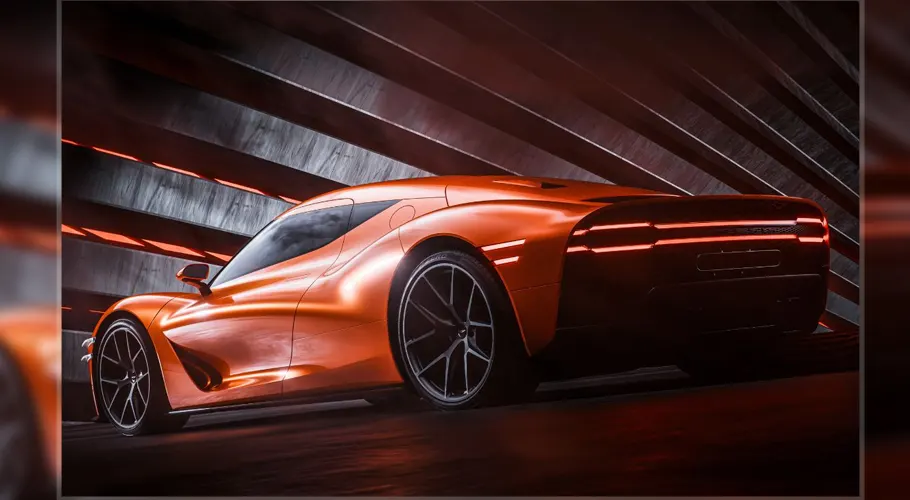
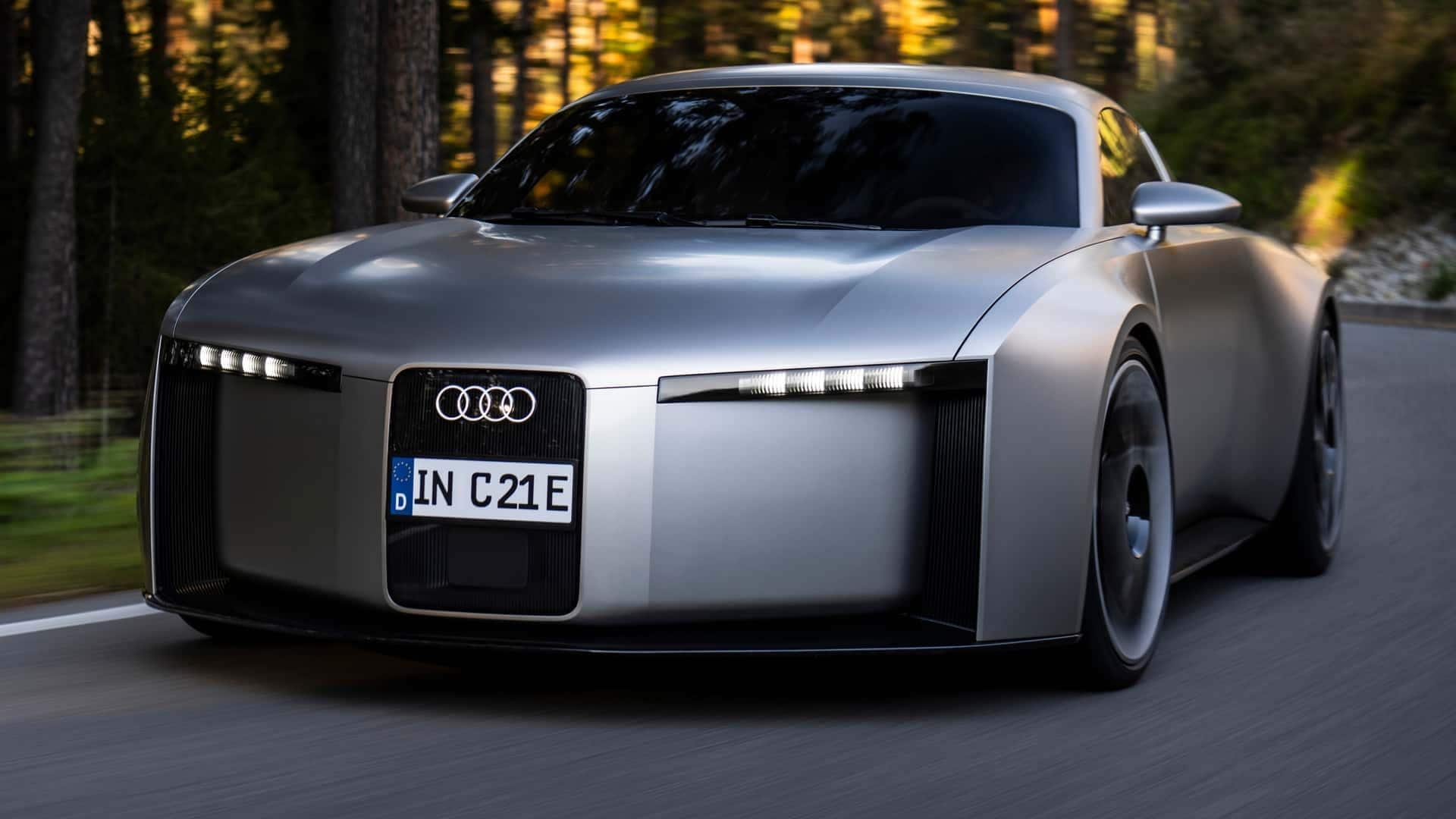
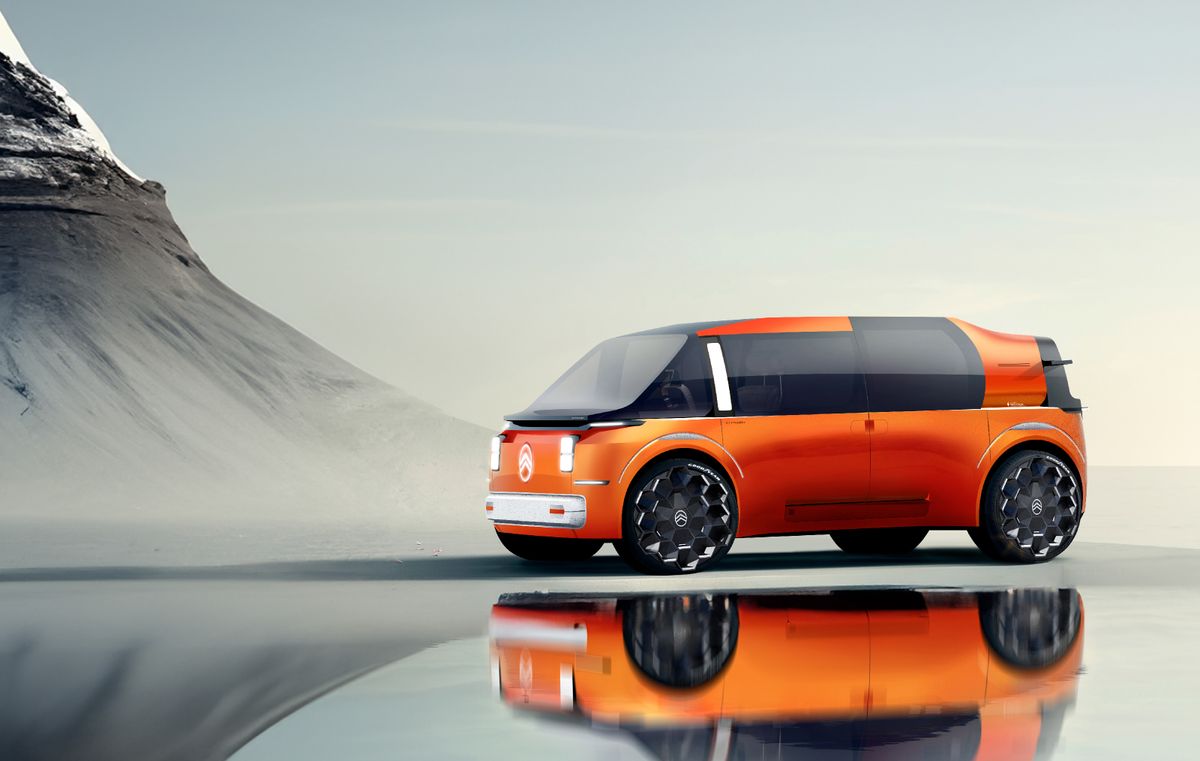
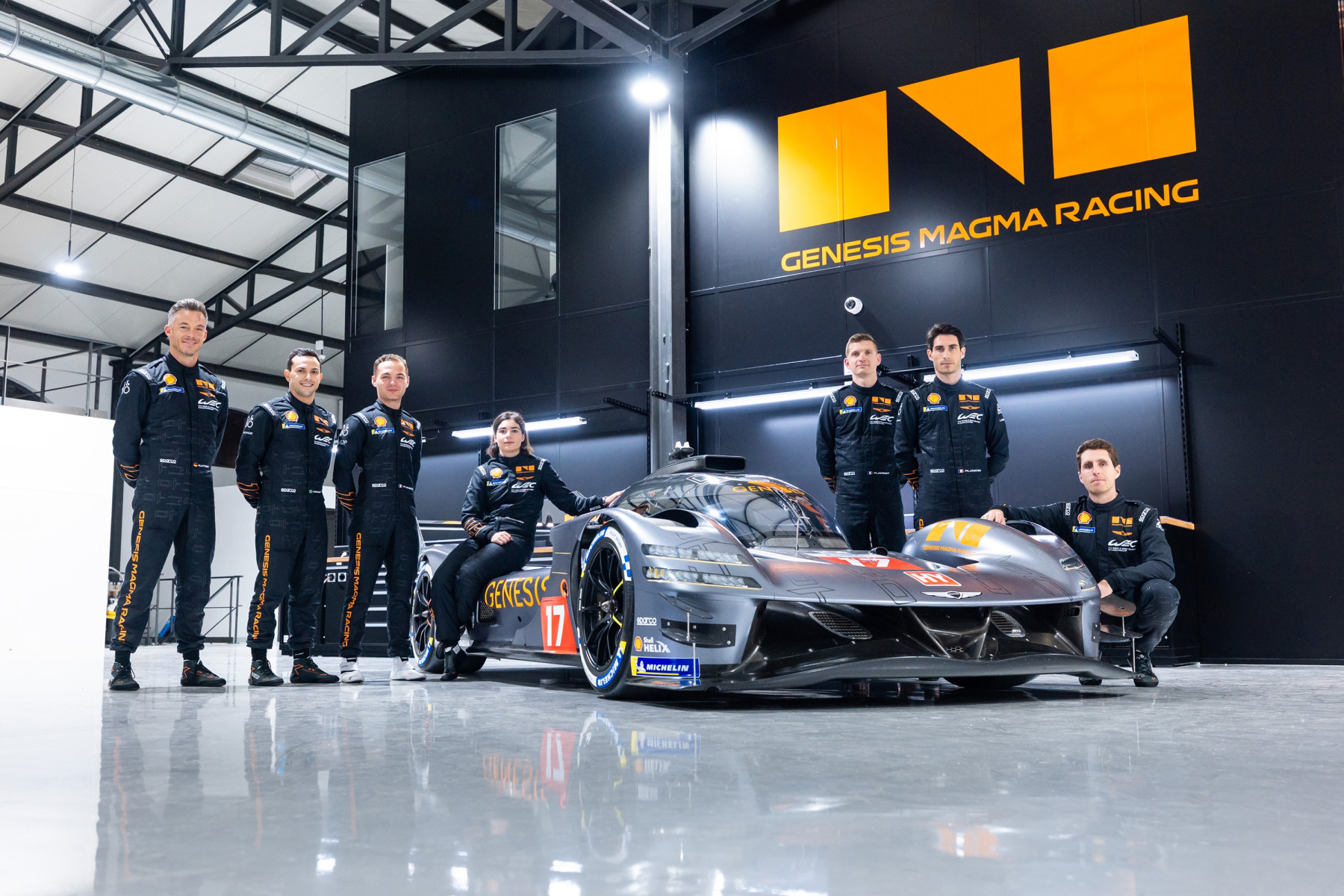
In the concept cars category, Audi’s design team secured first place with its Concept C project, followed by Genesis Motor with the Magma GT in second place and Citroën with the ELO in third.



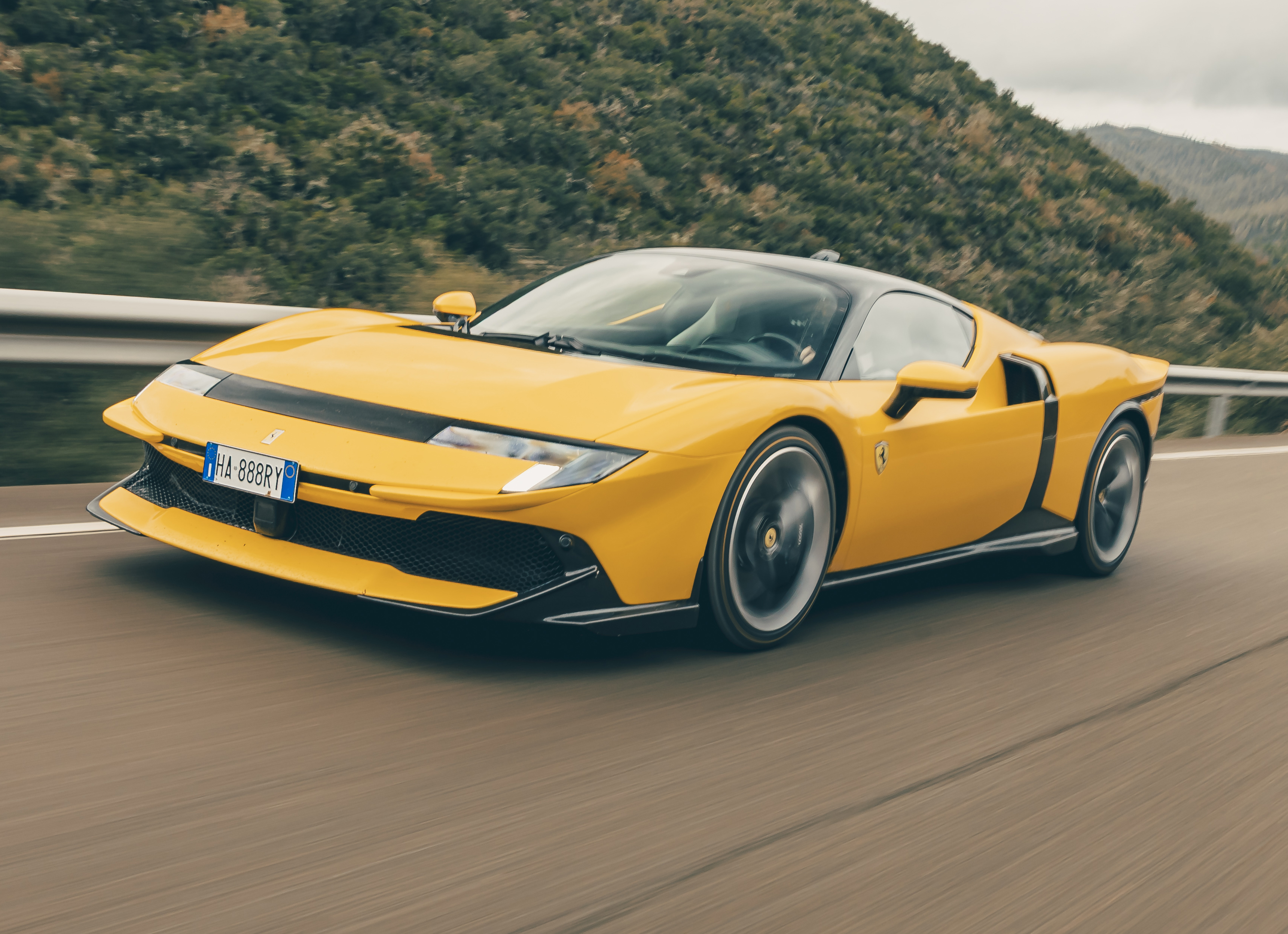

In the production cars category, Renault’s Twingo E-Tech Electric took top honours, with BMW’s iX3 in second place and Ferrari’s 849 Testarossa in third.
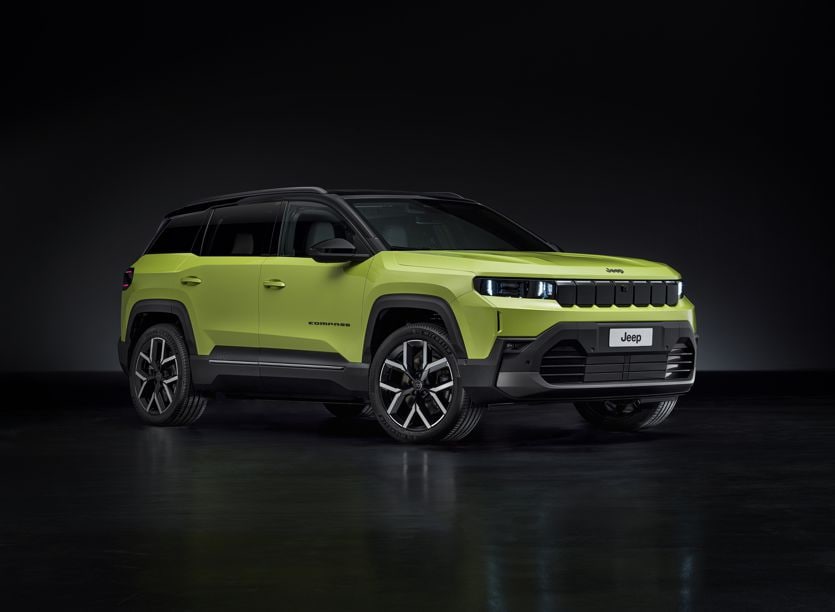
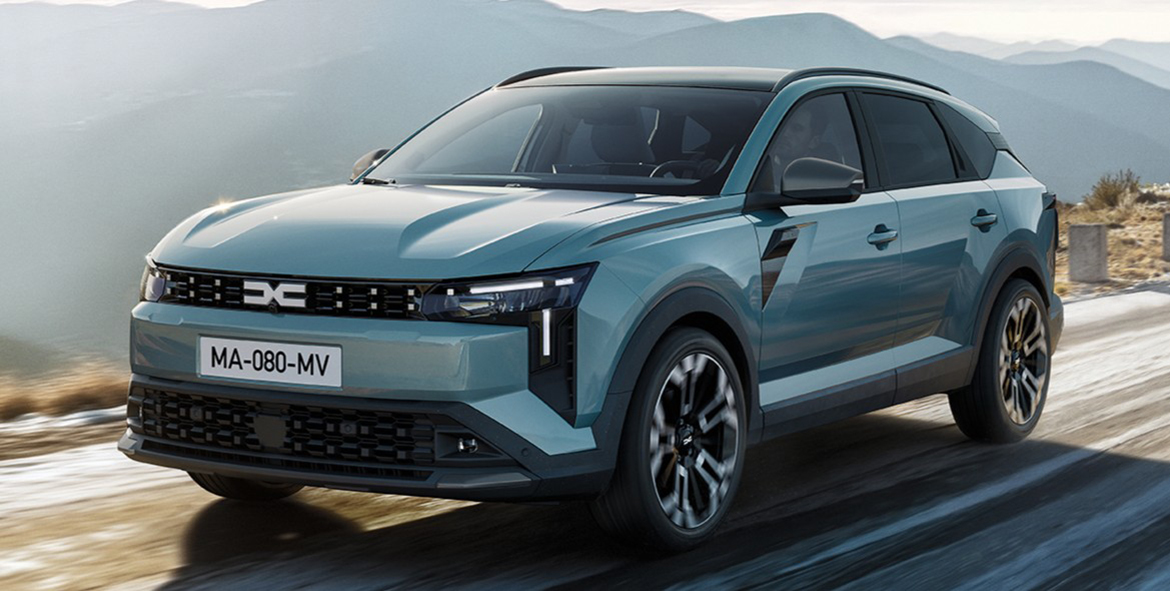
In the brand design language category, Jeep claimed first place, followed by Genesis in second, while BMW and Dacia shared third position.
According to jury chair Silvia Baruffaldi, the award not only celebrates creative excellence in design but also highlights evolving trends and challenges in modern mobility.
The 2026 trophy, Traccia, was designed for the third consecutive year by ERRE Company, with sustainability at its core. Its base was produced using 3D printing technology, incorporating recycled coffee elements supplied in collaboration with Lavazza. The use of Alcantara in new colours and bespoke patterns, along with transparent 3D-printed components, gives the trophy a distinctive appearance.
Audi’s Concept C was praised for reintroducing simplicity and purity to modern car design, blending technology and emotion within a unified, monolithic form.
Renault’s Twingo E-Tech Electric was described as a compact city car with a strong design identity, echoing the charm of its 1990s predecessor.
Regarding Jeep, the jury noted that the brand has preserved its traditional identity while transforming signature elements such as the grille and wheel arches into global symbols of adventure and freedom, reinforcing its core spirit.