










ISLAMABAD: The Islamabad High Court (IHC) has issued a formal notice to Barrister Gohar, Chairman of the Pakistan Tehreek-e-Insaf (PTI), directing him to submit a response regarding a petition seeking the suspension of the X (formerly Twitter) account of the party’s founder, Imran Khan.
The proceedings were presided over by Justice Arbab Muhammad Tahir. During the hearing, the court noted that while authorities from Adiala Jail have already filed their official response, other respondents are yet to submit their replies. The court subsequently directed these parties to ensure their submissions are filed in a timely manner.
Imran Khan is being represented in the proceedings by his counsel, Salman Akram Raja. A significant point of contention raised during the session was the lack of access for legal consultation; the court had previously granted permission for Mr. Raja to meet with the former prime minister at Adiala Jail to prepare for the case. However, it was reported that this meeting did not take place, despite the court’s explicit authorization.
Background of the Investigation
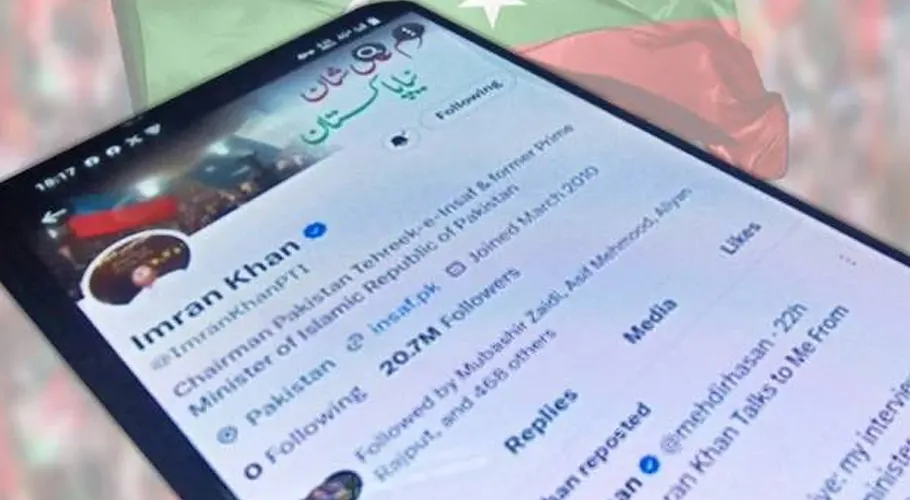
The petition, filed by a citizen named Ghulam Murtaza, calls for the blocking of Imran Khan’s social media account, alleging that the platform is being used to disseminate unauthorized content from within the prison.
This legal challenge is part of a broader investigation into the PTI founder’s social media presence. In January, the National Cyber Crime Investigation Agency (NCCIA)—the nation’s cybercrime watchdog—informed the IHC that Imran Khan had declined to cooperate with investigators regarding the management of his social media accounts while in detention. The agency reported that despite receiving authorization to visit the former prime minister at Adiala Jail, investigators were unable to establish who is operating the accounts.
Imran Khan has been detained at Rawalpindi’s Adiala Jail since September 2023. Throughout his imprisonment, his official X account has remained active, frequently posting content critical of the government and state institutions, which has formed the basis of the ongoing legal scrutiny.