










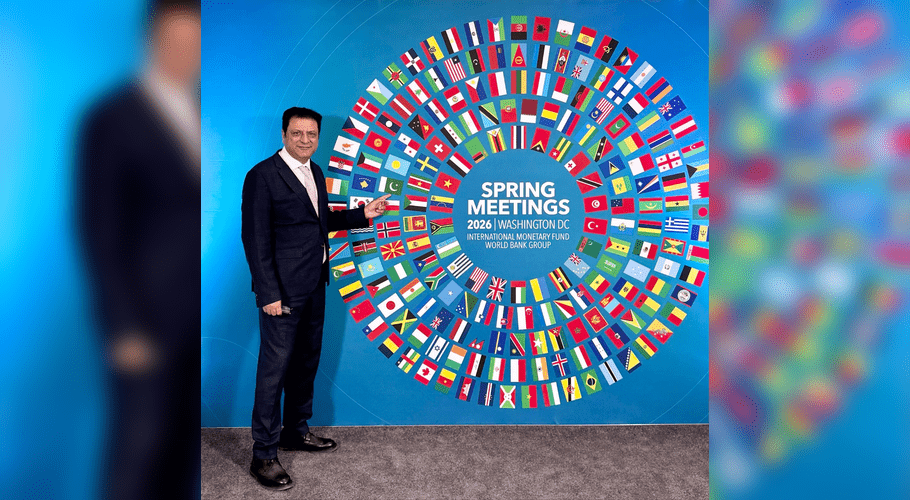
NEW YORK : Tariq Malik, a Pakistani-origin technology expert and current technical advisor at the World Bank, has been named among the top 25 global experts in the field of digital identity and public infrastructure. This prestigious recognition comes from Okta, a globally renowned platform specializing in digital identity, cloud systems, and cybersecurity.
The selection honors individuals whose work has catalyzed significant global advancements in digital identity, security, and digital trust. As part of the official celebration, the names and profiles of the honorees will be displayed on the NASDAQ stock exchange screen in Times Square, New York, on the morning of May 4.
A Legacy of Innovation and Service
Tariq Malik’s career is marked by substantial contributions to public infrastructure and technology both internationally and within Pakistan. He is widely recognized as the architect of the digital framework behind the Benazir Income Support Programme (BISP), a cornerstone of Pakistan’s social safety net. His tenure as the Chairman of the National Database and Registration Authority (NADRA) was instrumental in modernizing the country’s identification systems and expanding digital access for citizens.
In addition to his domestic achievements, Malik has served with the United Nations, bringing his expertise in digital identity and public policy to a global stage. He is the son of the renowned Pakistani scholar and intellectual, Professor Fatah Malik.
A Path Inspired by Visionary Leadership
Reflecting on his journey, Malik has often recounted a pivotal meeting with the late Prime Minister Benazir Bhutto. During a private visit to the United States, Bhutto encouraged Malik to return to Pakistan and utilize his professional expertise to serve the country. Inspired by her call to contribute to national development, Malik returned to Pakistan, playing a crucial role in strengthening the nation’s digital identity and security systems—efforts that continued well beyond his leadership at NADRA.
Looking Ahead
In recent discussions regarding his global recognition, Malik expressed his pride in representing Pakistan on an international platform. He has consistently advocated for the integration of digital technology to enhance public policy, governance, and electoral transparency. By championing systems designed to eliminate irregularities and build trust, Malik remains a steadfast advocate for the transformative power of digital technology in public life.
This inclusion in the global top 25 list stands as a testament to his enduring impact on the digital identity sector and his commitment to leveraging technology for the betterment of society.