










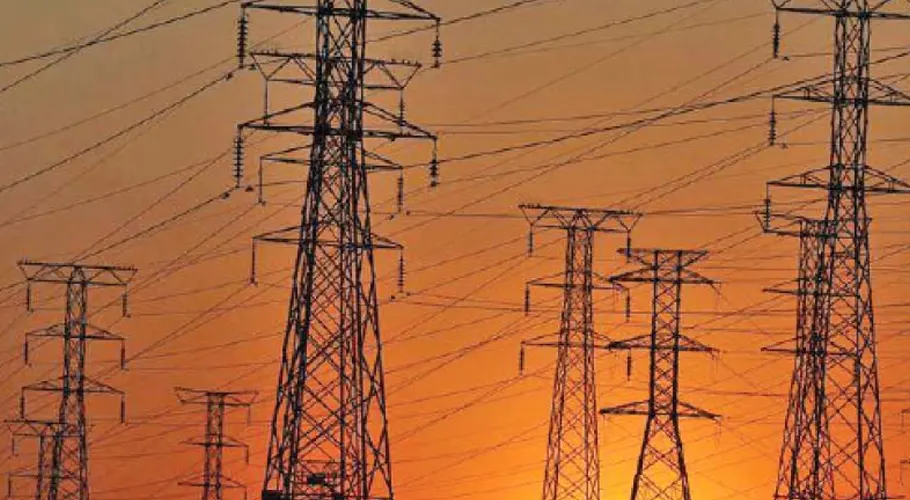
The Power Division has said that electricity generation has been affected due to global constraints leading to a shortage of LNG, resulting in reduced output by 5,000 megawatts from several major power plants.
However, officials said that improved hydropower production and better grid stability have helped ease pressure during peak hours, limiting load management despite high demand.
In a statement on the electricity situation during peak night hours on April 27, the spokesperson said that increased water releases from the Tarbela Dam during the night led to higher hydropower generation.
Total hydropower production during last night’s peak hours stood at 6,000 megawatts. The country’s total hydropower generation capacity is 11,500 megawatts.
According to the spokesperson, the increase in hydropower generation improved stability in the national grid from the southern region, which allowed additional power plants to receive local gas supplies, further improving electricity production.
This also helped bring 100 megawatts online more easily, while a total transmission of 500 megawatts from the southern region was achieved.
The spokesperson added that distribution companies carried out load management for one to two hours during peak hours last night.
However, due to increased hydropower generation, load management did not exceed two hours despite high electricity demand.
The Power Division said that load management is being carried out on high-loss feeders under an economic load management policy, which is not linked to peak-hour load management. It further stated that improved LNG availability and increased water releases will help eliminate the night-time electricity shortfall.