










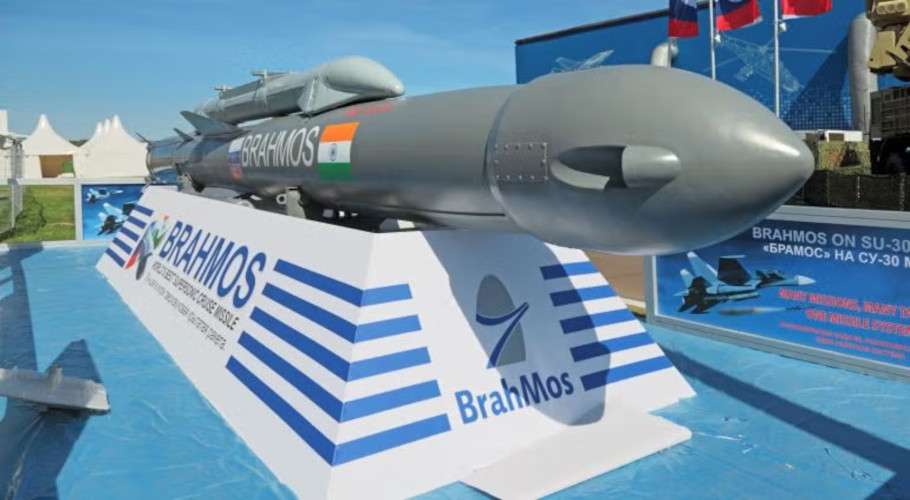
HYDERABAD: Production of the BrahMos supersonic cruise missile in India has fallen sharply, dropping by more than 50 percent compared with a year ago, according to people familiar with the matter, a development that could delay Indian Navy deliveries for several years and complicate fleet‑readiness plans.
Three sources with direct knowledge of the programme told Reuters the collapse in output was driven largely by management decisions that moved about 56 experienced engineers and technical staff away from the Hyderabad integration centre to new sites in Lucknow and Pilani. The relocations prompted resignations, eroded institutional know‑how and created what one source described as “structural instability” inside state‑part‑private developer BrahMos Aerospace.
“The day‑to‑day manufacturing and integration work has slowed considerably,” a source said. Another added that disruptions in systems integration and testing had reduced monthly output to less than half of last year’s levels.
The slowdown comes as the Indian Navy seeks to begin receiving a major March 2024 order for roughly 220 extended‑range BrahMos‑ER missiles and associated shipborne launchers, intended for modern destroyers including the Visakhapatnam and Kolkata classes. BrahMos Aerospace has informed Navy officials that deliveries could be pushed back “by a few years,” two sources said, a delay that would complicate procurement and deployment timelines in the Indian Ocean region.
BrahMos‑NG, a next‑generation, smaller and stealthier variant designed for wider platform integration, has yet to secure formal approval from the defence ministry despite the 2021 ceremonial opening of a Lucknow development and test facility, analysts and officials said. The sustained production shortfall and uncertainty over BrahMos‑NG have prompted warnings that India may need to consider imported alternatives to sustain air and naval strike capability, particularly for platforms such as the Su‑30MKI and Tejas.
BrahMos Aerospace, a joint venture between India’s Defence Research and Development Organisation and Russia’s NPO Mashinostroyenia, did not respond to requests for comment. Officials at the Indian Navy and the defence ministry declined to comment beyond saying procurement timelines are subject to operational assessment.
Analysts said fixing the staffing and integration issues could take months, while restoring full production capacity might stretch into years if resignations and knowledge loss are not quickly addressed.