










Oil prices surged back above 96 dollars a barrel on Monday as U.S. President Donald Trump abruptly cancelled a planned envoy mission to Pakistan aimed at reviving faltering U.S.–Iran peace talks, jolting markets that had begun to price in de‑escalation.
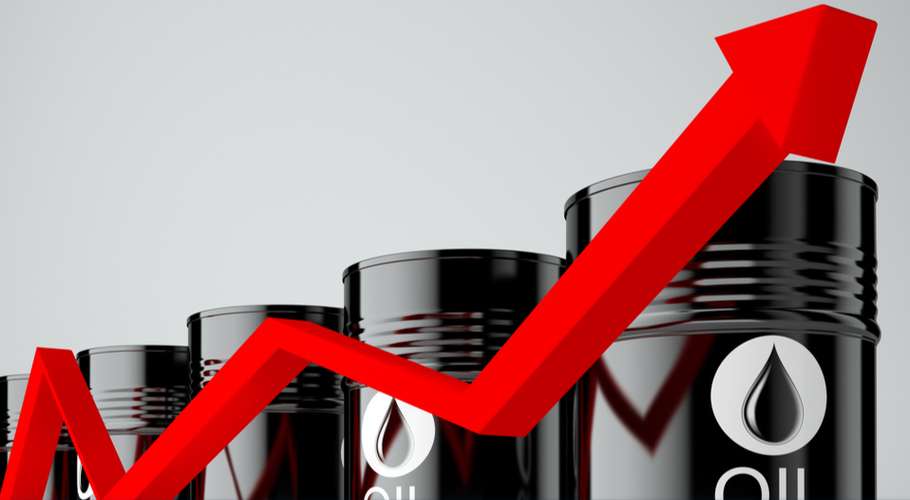
Benchmark West Texas Intermediate (WTI) crude rose to around $96.60 a barrel on Monday morning, after gains of roughly 2% over the weekend, as traders reassessed the odds of a diplomatic breakthrough in the Persian Gulf. Global benchmark Brent crude climbed above $107 a barrel, also up about 2%, on renewed fears of prolonged hostilities around the strategically vital Strait of Hormuz.
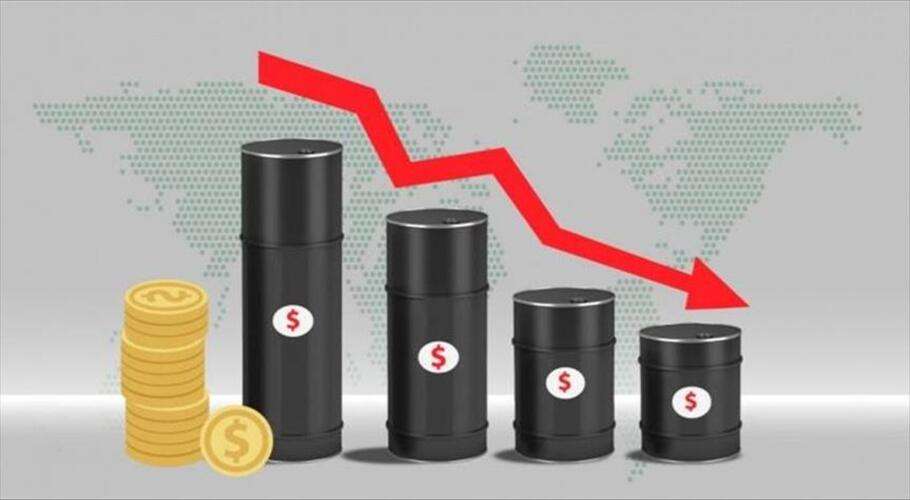
Markets had built in expectations of diplomacy after Trump dispatched senior envoys, including Steve Witkoff and Jared Kushner, to Islamabad for back‑channel talks with Iranian intermediaries. Those hopes briefly lifted, sending WTI down by roughly $2.50 a barrel as participants gambled on a deal that could ease U.S. port blockades and sanctions on Iranian exports.
Now, with the envoy mission cancelled and the White House signalling readiness to maintain or intensify pressure on Iranian shipping, traders are pricing in the opposite: a widening risk premium for supply curbs, higher shipping costs, and no clear floor for crude until a concrete agreement emerges.
“There’s no floor until there’s a deal,” a Singapore‑based commodities strategist at a major bank told media, describing the current dynamic as a “ratchet‑up” with every failed negotiation round. “Each disappointment adds another couple of dollars. The market is now struggling to distinguish between managed tension and outright escalation.”
Ongoing U.S. port blockades, combined with previous kinetic strikes on Iranian infrastructure, have tightened regional supply and buoyed tanker insurance rates, keeping the market highly sensitive to any hint of fresh military or diplomatic moves. With Brent already trading above 100 dollars at several points in April and WTI grinding toward triple‑digit territory, many analysts warn that the next trigger will likely be political, not economic.
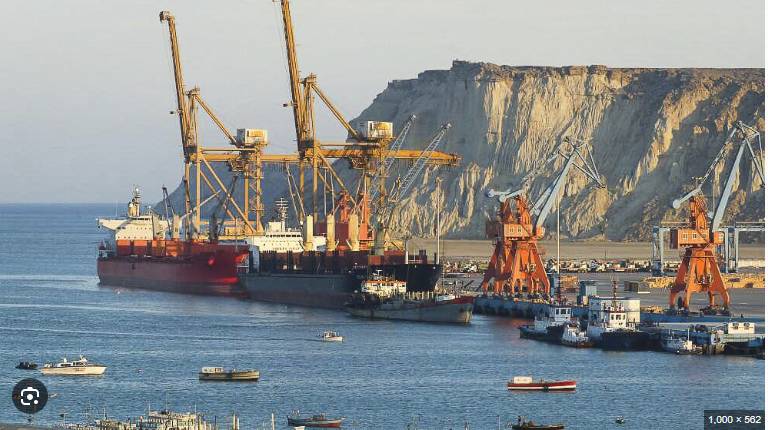
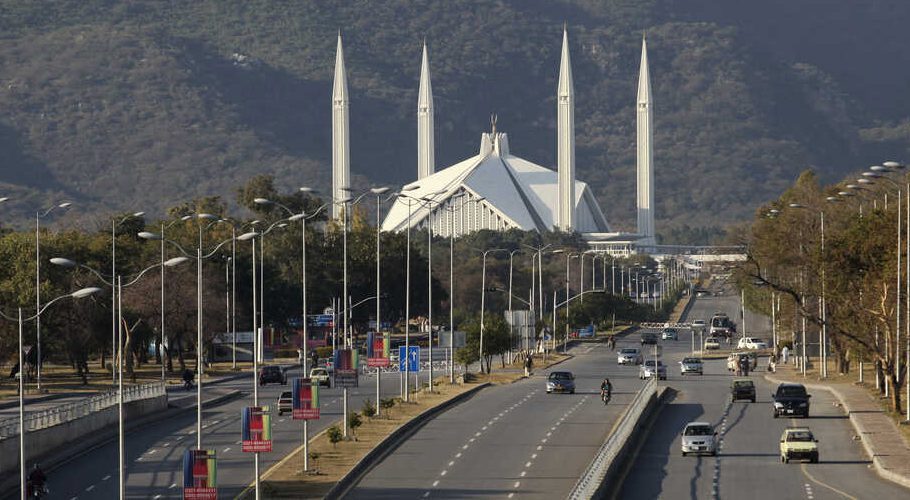
For Pakistan, the renewed spike in global oil prices adds fresh pressure on an already strained energy‑import budget and could complicate Islamabad’s delicate balancing act between Washington and Tehran, both of which regard the country as a key regional player in the current standoff.