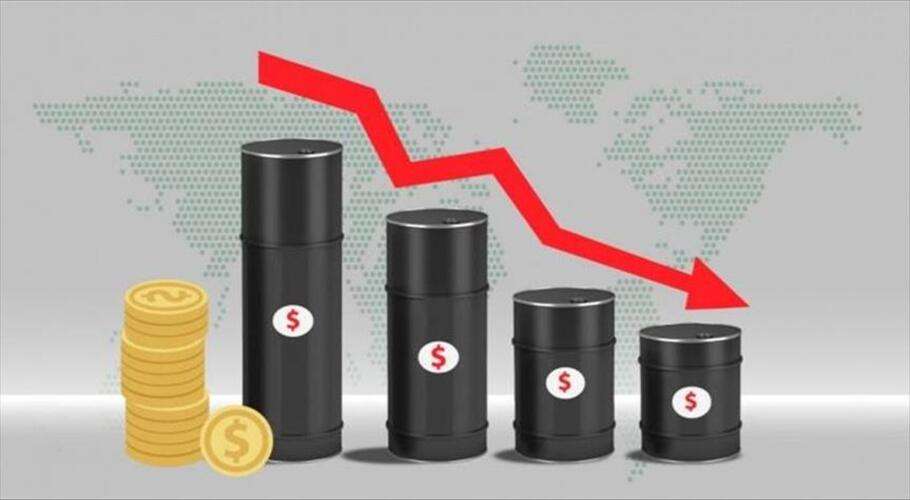











LAHORE: Following the federal government’s recent decision to hike petroleum prices, public and goods transporters have significantly increased their rates, dealing a fresh blow to consumers already struggling with a 14 per cent rise in the Sensitive Price Indicator (SPI).
https://archive.mmnews.tv/inflation-set-to-climb-further-as-spi-shows-14pc-rise-before-fresh-fuel-hike/
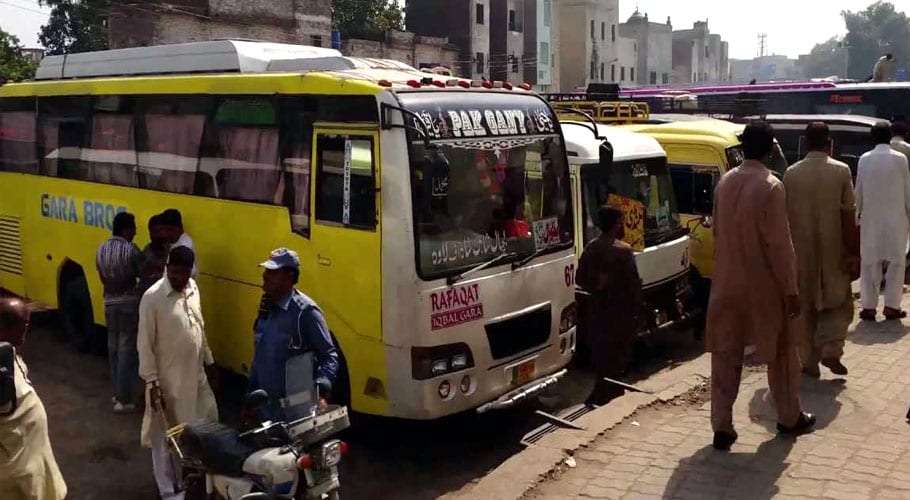
Inter-city bus operators at various terminals in Lahore, including Badami Bagh and Thokar Niaz Baig, unilaterally revised their fare structures on Friday. According to the new schedule, the fare from Lahore to Islamabad has jumped from Rs. 3,350 to Rs. 3,480, while the travel cost to Peshawar saw a similar spike, rising from Rs. 3,480 to Rs. 3,530.
پٹرولیم مصنوعات مہنگی ہونے کے بعد لاہور سے مختلف شہروں کے ٹرانسپورٹ کرائے بڑھ گئے، ملتان 1760 سے بڑھا کر 1810، اوکاڑہ 850 روپے، ڈیرہ غازی خان 1990 سے بڑھا کر 2050، بہاولپور 2100 سے بڑھا کر 2160، اسلام آباد 3350 سے بڑھا کر 3480، پشاور کا کرایہ 3530 سے بڑھا کر 3480 مقرر۔۔!!
— Khurram Iqbal (@khurram143) April 25, 2026
Southbound routes were equally affected. The fare for Multan increased from Rs. 1,760 to Rs. 1,810, and commuters heading to Dera Ghazi Khan will now pay Rs. 2,050, up from Rs. 1,990. Travel to Bahawalpur now costs Rs. 2,160, marking a Rs. 60 increase, while the route to Okara witnessed a sharp hike of Rs. 850.
Transporters argue the adjustments are unavoidable. “With the cost of high-speed diesel surging, our operational margins have completely evaporated,” a representative of a private transport company stated, adding that the government’s failure to regulate the sector often leaves them with no choice but to pass the burden to the public.
Goods transport and supply chain
Parallel to public transport, the All Pakistan Goods Transport Owners Association had also announced a substantial increase in freight rates earlier today. Industry stakeholders warned that the hike in diesel prices has made long-haul operations financially unviable, leading to an immediate 30 to 40 per cent surge in freight charges across key provincial routes.
https://archive.mmnews.tv/goods-transporters-raise-freight-rates-as-petroleum-prices-surgegoods-transporters-raise-freight-rates-as-petroleum-prices-surge/
The impact is expected to be felt most acutely in the prices of essential commodities. As goods transporters raise their rates, the cost of transporting vegetables, grains, and construction materials from rural hubs to urban markets is set to climb, further stoking the fires of inflation.
Economists have warned that this “double whammy” of higher transport costs and rising SPI will likely push headline inflation further into the double digits. As the cost of logistics rises, the retail prices of daily-use items—already under pressure—are expected to witness another round of adjustments in the coming weeks.