










ISLAMABAD: Despite the federal government’s persistent efforts to retain title for Pakistan as a “sole mediator” in the burgeoning Middle East crisis, the volatile fluctuation of domestic petroleum prices continues to tell a far bleaker story of economic vulnerability.
The latest hike of Rs26.77 per litre, bringing petrol to Rs393.35, serves as a stark reminder that Islamabad’s diplomatic aspirations have failed to insulate its citizens from the harsh realities of the global oil market.
For weeks, high-level officials have touted Pakistan’s role as a neutral bridge-builder between Washington, Tel Aviv, and Tehran following the February 28 escalations. However, the “mediation dividend” promised by government circles has yet to materialize at the pump. Instead, the domestic fuel market has remained a hostage to the very regional tensions Pakistan claims to be cooling.
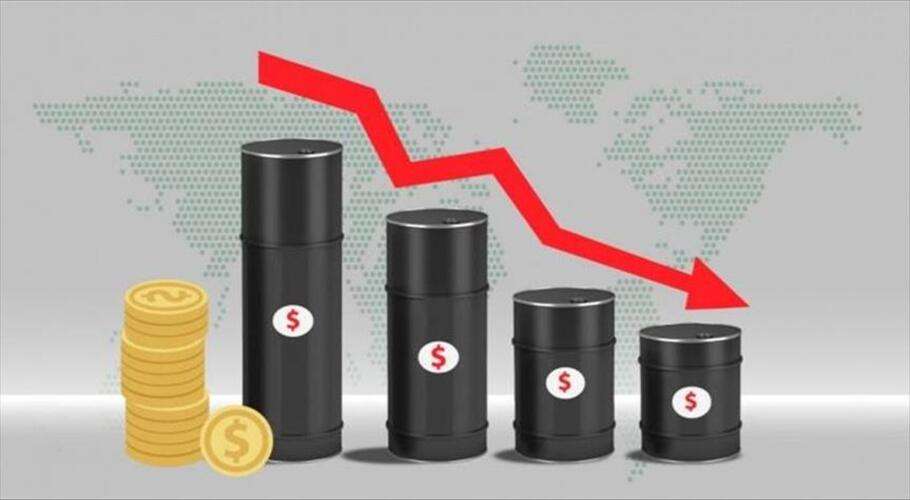
Since the onset of hostilities, the pricing trajectory has been nothing short of a rollercoaster, characterized by “war-shock” peaks and “relief” cuts that are increasingly viewed as politically motivated optics rather than sustainable economic policy.
The timeline of petrol prices (MS 92) since the conflict began illustrates a pattern of instability that defies the government’s narrative of regional influence:
| Effective Date | Petrol Price (Rs/L) | Change (Rs/L) | Context |
| Feb 16, 2026 | 258.17 | +5.00 | Pre-attack adjustment |
| Mar 7, 2026 | 321.17 | +55.00 | Emergency hike (Hormuz closure) |
| Apr 3, 2026 | 458.41 | +137.24 | All-time record high |
| Apr 5, 2026 | 378.00 | -80.00 | PM relief (Levy reduction) |
| Apr 11, 2026 | 366.58 | -11.42 | Post-ceasefire cooling |
| Apr 25, 2026 | 393.35 | +26.77 | Current hike (Renewed tensions) |
While the Foreign Office issues statements regarding de-escalation at the international front, the “net change” since late February remains a staggering 48% increase on domestic side. For the average consumer, the discrepancy between the government’s grand diplomatic posture and the reality of a Rs127 per litre net hike is becoming impossible to ignore.
“The irony is palpable,” noted one energy analyst. “We are told Pakistan is the key to Middle Eastern peace, yet we are the first to suffer whenever a tanker is delayed in the Hormuz. If our mediation held weight, we would see some semblance of supply security or preferential pricing. Instead, we are just price-takers in a market we claim to influence.”
With the government now forced into a weekly pricing review to manage the volatility, the sense of economic whiplash is intensifying. The transition from a peak of Rs458.41 down to Rs366.58, and now back up to Rs393.35, reflects a reactive policy that lacks a long-term buffer.
As the new prices take effect today, the focus shifts from the lofty halls of diplomacy back to the filling stations, where the cost of “mediation” is being paid in full by the Pakistani public.