










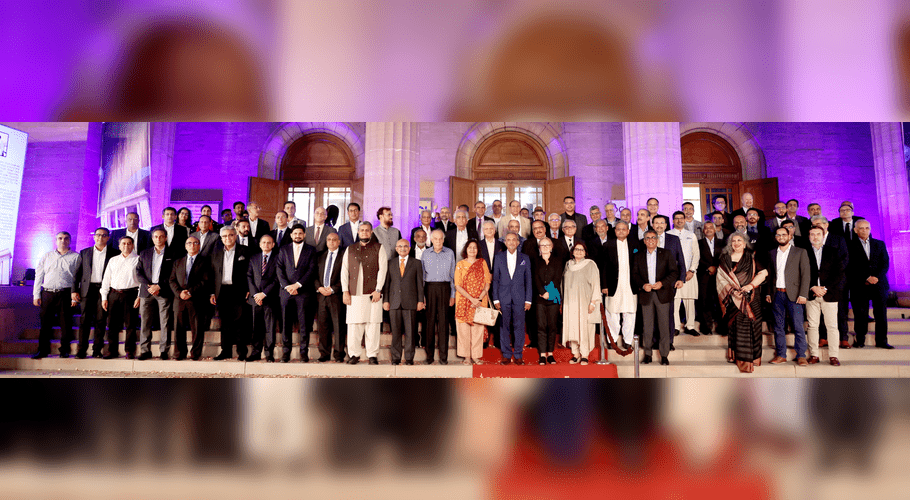
KARACHI: The Overseas Investors Chamber of Commerce and Industry (OICCI), representing more than 200 multinational companies operating in Pakistan, has urged the government to phase out the controversial super tax over three years and to rationalise the capital value tax (CVT) on foreign assets in proposals submitted ahead of the 2026-27 budget.
In a formal presentation to Minister of State for Finance Bilal Azhar Kiani, later handed to the Ministry of Finance, the OICCI recommended a phased withdrawal of the super tax beginning in FY2026-27 and completed by FY2028-29, arguing that removing the levy gradually would reduce market disruption while restoring investor confidence.
The chamber also called for a reduction in the corporate tax rate to 28 per cent in FY2026-27, accompanied by a clear roadmap to lower it further to 25 per cent over the subsequent three years. OICCI said such cuts would improve Pakistan’s competitiveness and encourage investment.
Addressing concerns about talent flight, the OICCI proposed capping the top income-tax rate on salaries at 25 per cent. The group said the formal sector and salaried class currently shoulder a disproportionate share of the tax burden, and a lower top rate would help curb brain drain by making Pakistan more attractive to skilled professionals.
The government is expected to seek some flexibility from the International Monetary Fund (IMF) to reduce the overall tax burden, but any concession is likely to be conditional. Islamabad will have to present alternative revenue measures to bridge the fiscal gap before unveiling the budget, which officials say is likely to be presented on June 1, 2026.
The OICCI also urged the authorities to rationalise the capital value tax on foreign assets to remove distortions that, it argued, deter inflows of foreign capital. The chamber’s package frames the tax adjustments as part of a broader effort to stabilise the business environment and support long-term growth.
Ministry of Finance officials have not yet publicly commented on the OICCI proposals, while on the other hand, observers say negotiations with the IMF and consultations with business groups will shape final budget measures as the June deadline approaches.