










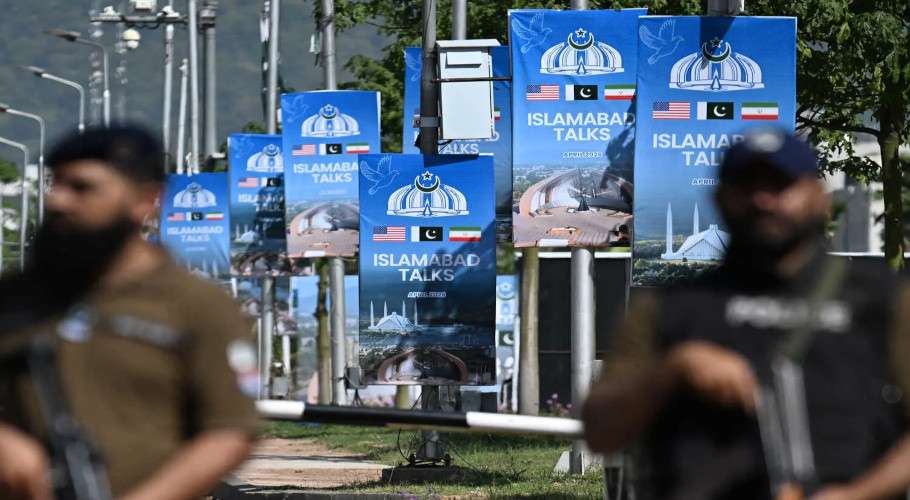
ISLAMABAD: After days of speculation and conflicting signals, both the United States and Iran have confirmed they will not be sending delegations to Islamabad for the anticipated second round of peace talks.
The cancellation comes despite Pakistan’s extensive preparations and high expectations for a breakthrough in negotiations.
Prime Minister Shehbaz Sharif, in a statement on social media, expressed gratitude to U.S. President Donald Trump for agreeing to extend the ceasefire at the request of Pakistan’s leadership. He underscored Islamabad’s commitment to a “negotiated settlement of the conflict” and voiced hope that both sides would maintain restraint until a comprehensive peace deal could be reached.
On my personal behalf and on behalf of Field Marshal Syed Asim Munir, I sincerely thank President Trump for graciously accepting our request to extend the ceasefire to allow ongoing diplomatic efforts to take their course.
With the trust and confidence reposed in, Pakistan…
— Shehbaz Sharif (@CMShehbaz) April 21, 2026
President Trump, in a separate statement, said the U.S. military would continue its blockade of Iran but hold off on further attacks “until such time as their leaders and representatives can come up with a unified proposal.” He noted that the decision followed appeals from Pakistan’s Prime Minister and Army Chief, Field Marshal Asim Munir.
STATEMENT BY PRESIDENT DONALD J. TRUMP: pic.twitter.com/ATdRyY1qqK
— The White House (@WhiteHouse) April 21, 2026
The twin announcements mark a dramatic reversal from earlier reports suggesting simultaneous arrivals of U.S. and Iranian delegations in Islamabad. Officials had even cleared hotels and tightened security in anticipation of the talks. Instead, the capital now faces the anticlimax of extraordinary measures taken for negotiations that will not take place.
Diplomatic observers say the extension of the ceasefire offers a temporary reprieve but leaves the broader question of U.S.–Iran engagement unresolved.
Crucially, the issue of the U.S. blockade of the Strait of Hormuz remains unsettled, continuing to cast a shadow over regional stability and global energy markets. Pakistan’s role as mediator remains central, yet the absence of delegations underscores the fragility of the process and the depth of mistrust between Washington and Tehran.
https://archive.mmnews.tv/us-sends-vp-for-historic-iran-talks-as-embassy-lacks-ambassador-for-a-year/