For the first time in nearly half a century, Washington is engaged in direct talks with Tehran—negotiations mediated through Pakistan that could redefine the security architecture of the wider region. Yet, in this historic moment, the American mission in Islamabad remains conspicuously without an ambassador.
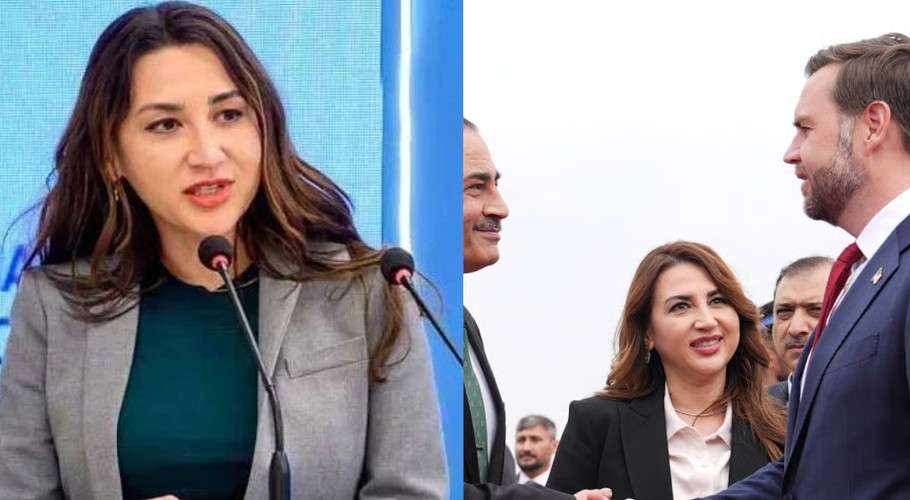
Donald Blome concluded his tenure by mid‑2025. Since January 2025, Natalie A. Baker, a seasoned Minister‑Counselor in the Senior Foreign Service, has served as Chargé d’Affaires ad interim. Having arrived as Deputy Chief of Mission in August 2024, Baker’s elevation was anticipated, and she has since become the public face of U.S. diplomacy in Pakistan. She has met senior officials including Interior Minister Mohsin Naqvi to prepare for a potential second round of U.S.–Iran talks.
The Implications
This is not merely symbolic. A chargé d’affaires operates under inherent constraints:
Authority: They cannot present credentials to the head of state, limiting formal diplomatic weight.
Tenure: Their temporary status signals either disengagement or dysfunction to host governments.
Messaging: It broadcasts that Pakistan ranks below other priorities in Washington’s allocation of political capital.
But the vacancy at the ambassadorial level—now stretching toward a year—is more than a bureaucratic oddity.
Public praise for General Asim Munir as a “favorite field marshal” and designation of Pakistan as the “sole mediator” for Middle East peace talks creates expectations of elevated diplomatic investment. Yet the ambassadorial vacuum tells a different story—one where transactional convenience (using Pakistan as a venue) is not matched by institutional commitment.
Diplomats take it as a sort of signal. Whether due to difficulties in securing Senate confirmation, a calculation that the posting does not merit expending political capital, or a deliberate preference for ambiguity, Washington has left Islamabad with an interim arrangement at the very moment it is hosting negotiations unseen since 1979.
That ambiguity itself appears like a message. For Pakistan, which has cleared hotels, suspended transport, and reshaped civic life to accommodate delegations, the absence of a confirmed ambassador underscores uncertainty about the depth of U.S. commitment. For the region, it highlights the paradox of history being made in Islamabad while America’s representation remains provisional.