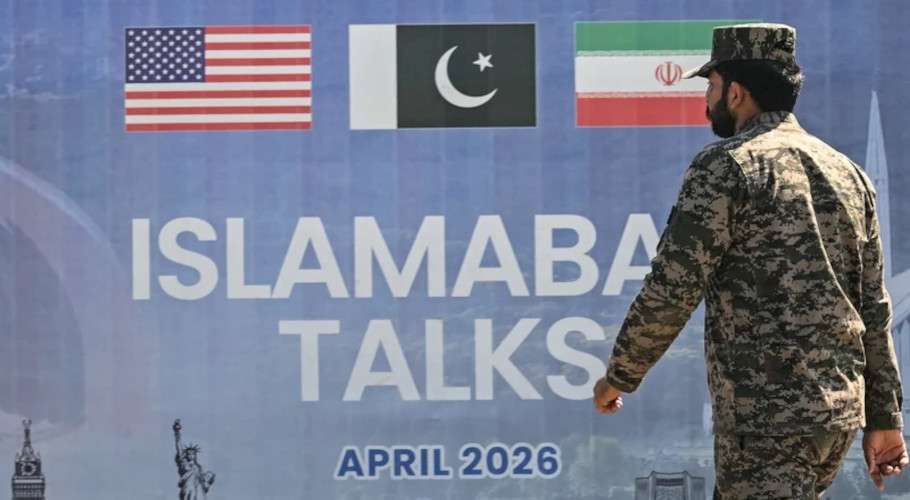
ISLAMABAD: Hopes for a fresh round of U.S.–Iran peace talks in Pakistan ran into uncertainty yet again on Saturday after Tehran’s Tasnim News Agency reported that Iran has not agreed to resume negotiations with Washington.
The semi‑official outlet, often aligned with the Islamic Revolutionary Guard Corps (IRGC), cited an informed source saying no decision has been made on a second round of talks. The statement comes just two days before Pakistanis had expected delegations from both sides to reconvene in Islamabad on April 20.
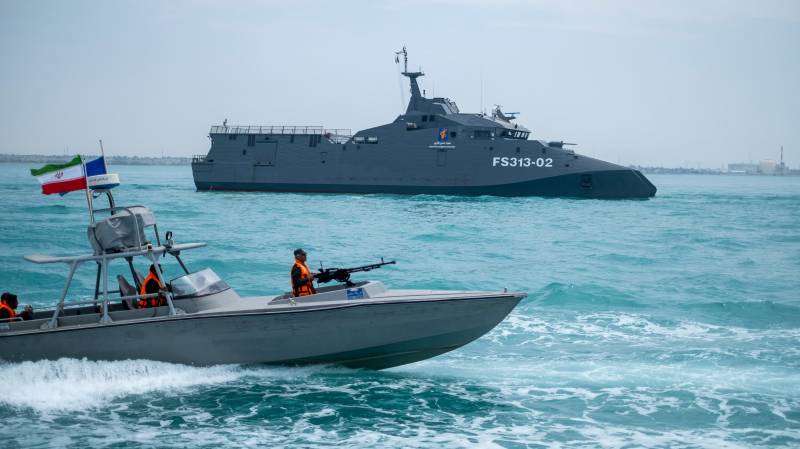
The uncertainty follows marathon discussions earlier this month in Islamabad, where U.S. and Iranian negotiators failed to bridge differences over key issues, including the Strait of Hormuz, enriched uranium, and ceasefire commitments. Pakistan has been mediating between the two sides, but progress remains fragile.
Iranian media have repeatedly stressed that Tehran is “in no hurry” and that “the ball is in America’s court.” Tasnim’s reporting underscored that Iran will not rush into another round without what it considers reasonable concessions from Washington.
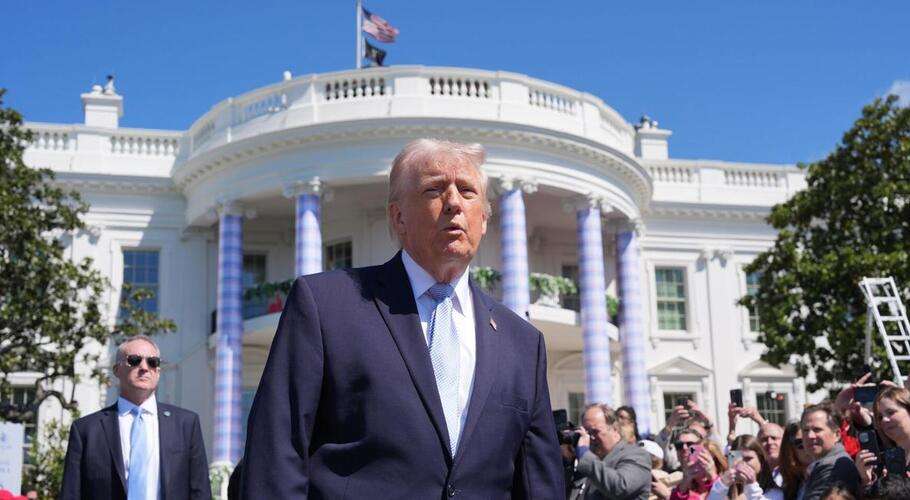
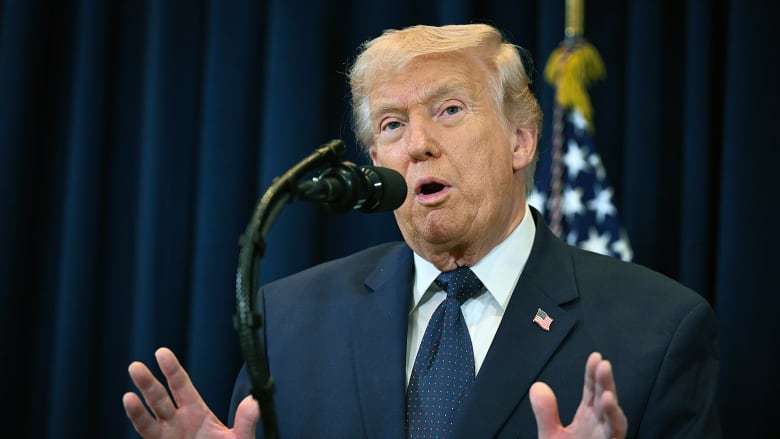
It may be recalled that U.S. officials, including members of the Trump administration, have expressed optimism about a possible second round, with proposals reportedly including a two‑week ceasefire extension. Yet Iranian sources have pushed back, describing some American demands as “illogical” and noting that no agreement has been reached.
Middle East observers believe that Tasnim’s coverage reflects Iran’s cautious stance, i.e. rejecting or withholding approval of specific U.S. requests while reviewing proposals through Pakistani channels. Analysts say the messaging highlights Tehran’s strategy of indirect signaling—keeping options open but resisting pressure to commit prematurely.
The situation remains fluid. While Washington projects confidence about renewed dialogue, Iranian reporting emphasizes red lines and delays. Observers warn that without tangible concessions, talks may stall again, prolonging uncertainty over regional security and energy stability.
For now, Islamabad’s role as mediator continues, but whether the April 20 meeting will materialize remains unclear.