










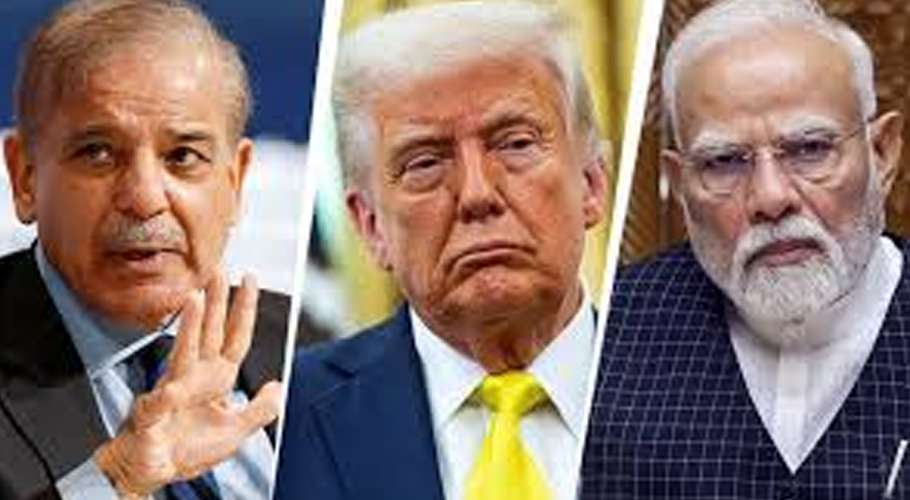
According to Indian officials, senior US officials and diplomats have conveyed in recent weeks, through meetings and diplomatic engagements, that in the event of a potential crisis with Pakistan, the United States would not automatically support India, and its decisions would be guided solely by its national interests.
As reported by The Sunday Guardian Live, these discussions suggest that while the US considers India an important strategic partner, particularly in the Indo-Pacific region, expectations of unconditional support in any conflict are unrealistic.
The growing “strategic realism” in Washington reflects a shift in thinking, where US policymakers view the “rules-based international order” as a vague concept that cannot take precedence over firm national interests.
The US position indicates a preference for “issue-based cooperation” over “moral commitments” in foreign policy. This means the US may cooperate on specific matters but will not provide security guarantees similar to those offered to formal allies.
Indian officials also stated that US representatives emphasised maintaining working relations with both India and Pakistan, with the primary objective of preserving regional stability and preventing escalation in case of tensions.
They added that this stance forms part of a consistent US policy in South Asia, aimed at managing tensions through balance and mediation rather than taking sides.
According to Indian officials, Washington has made it clear—through both words and actions—that expectations of diplomatically isolating Pakistan in a bilateral crisis would not be met.