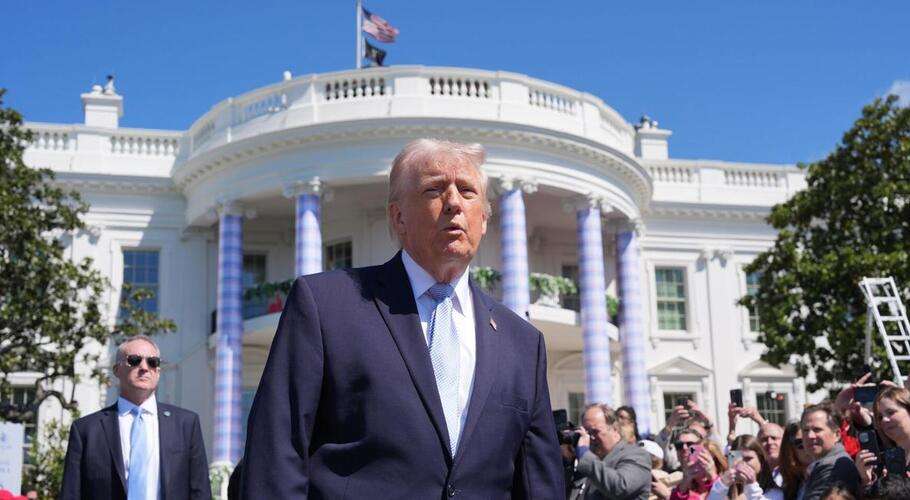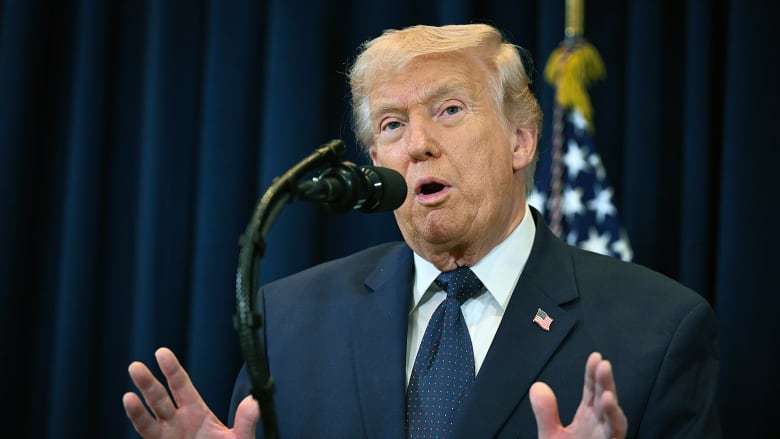











WASHINGTON: President Trump declared this week that the United States and Iran have reached agreement on roughly 15 major points in what he described as a framework to end the ongoing conflict, saying the two sides had held “very good and productive conversations.” Central to the proposed deal, Mr. Trump said, was Iran’s commitment to never develop nuclear weapons.
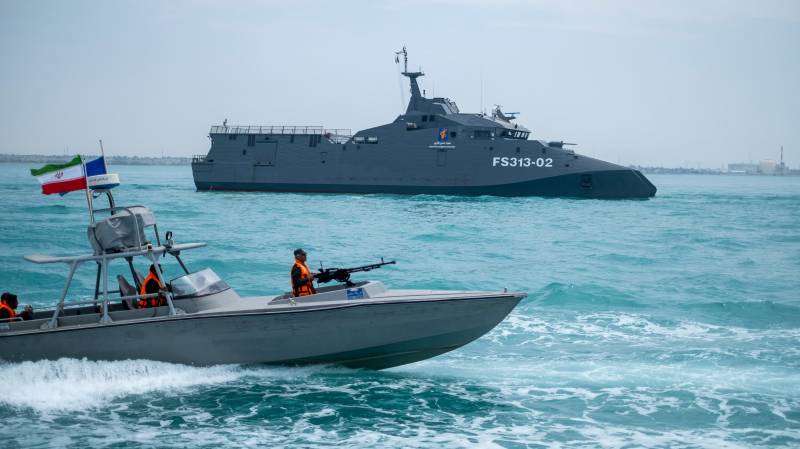
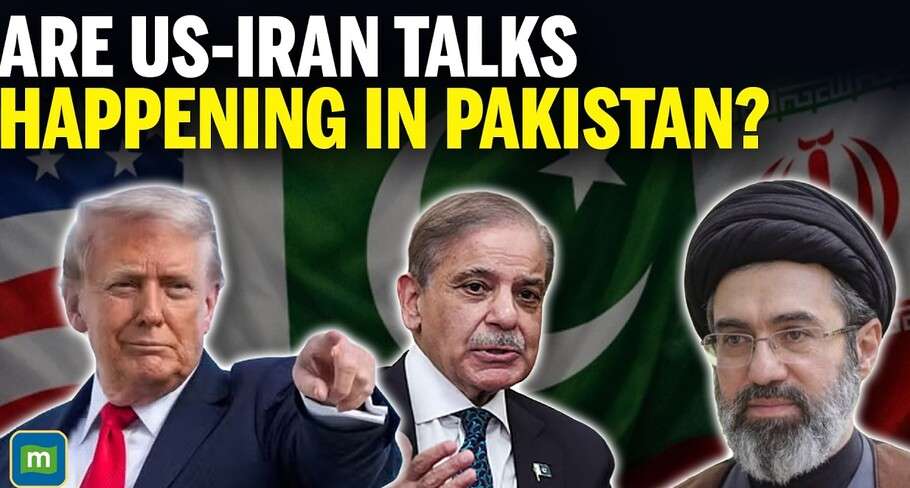
The announcement came as the administration quietly postponed planned strikes on Iranian energy infrastructure by five days, a move officials said was intended to allow more time for diplomatic progress. According to reports, Washington transmitted the 15-point plan to Tehran through intermediaries, including Pakistan, covering issues ranging from Iran’s nuclear program and ballistic missile capabilities to maritime security in the Strait of Hormuz.
But Tehran pushed back sharply. Iranian officials denied engaging in any direct negotiations, with some dismissing Mr. Trump’s characterizations as a “ruse,” insisting they had only received and were reviewing points passed through third-party mediators — not agreed to them.
Adding further friction, Iran has reportedly refused to sit down with Mr. Trump’s top envoys, Steve Witkoff and Jared Kushner, accusing them of “backstabbing” after U.S. military strikes hit Tehran just hours following their February talks. According to The Telegraph, Tehran has signaled a preference for engaging with Vice President JD Vance instead.
Middle East observers believe the episode underscores the fragile and often contradictory nature of the current diplomatic moment — with Washington projecting breakthroughs and Tehran projecting deep mistrust, leaving the path to any formal agreement deeply uncertain.
The current standoff also reflects a familiar pattern of Trump-era diplomacy, i.e. grand public claims paired with opaque, backchannel efforts, while the other side publicly dismisses progress. With no official text released and Iran preferring to engage with figures like Secretary Vance, the situation remains mired in mutual distrust.
Analysts warn this may be more about pressure and perception than substance — a high-stakes game where optics matter more than signed agreements, leaving regional stability hanging in the balance.