










KARACHI/PESHAWAR: While the vast majority of Pakistan continues to observe the final fast of Ramadan, the first celebrations of Eid-ul-Fitr have commenced today among the Dawoodi Bohra community and select localities in the northwest of the country.
Following their traditional Fatimid lunar calendar, the Bohra community offered Eid prayers early Thursday morning at community centers across Karachi and other urban hubs. These organized gatherings, marked by traditional white attire and prayers for national stability, signify the official start of their three-day festivities ahead of the national moon-sighting.
In the Khyber Pakhtunkhwa province, the festive atmosphere is more fragmented, limited to specific areas where local testimonies were accepted by unofficial committees.
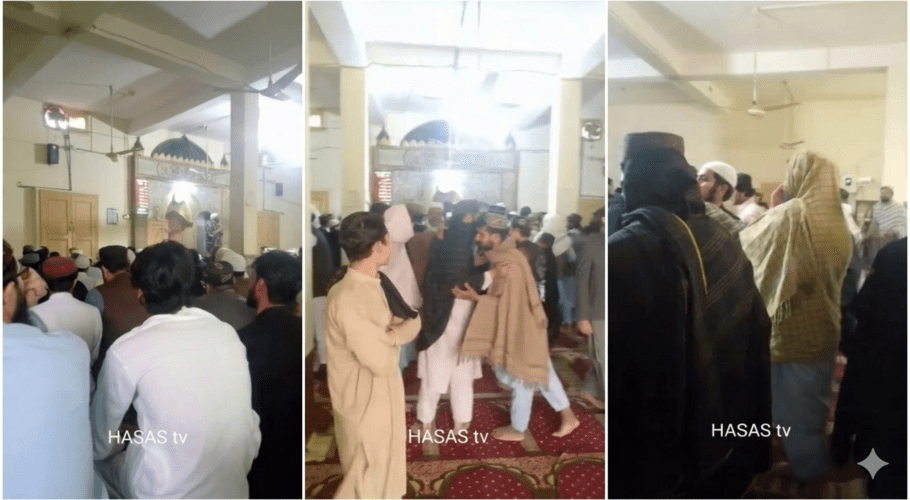
In Peshawar, Safed Sang area stood out as a primary center for early observance, with residents convening for Eid prayers this morning based on local sightings. Similar isolated pockets in certain neighborhoods of North Waziristan also broke the fast today, maintaining a long-standing regional tradition where local moon-sighting testimonies occasionally precede the central government’s official declaration.
خیبرپختونخوا کا سبقت برقرار
پشاور سفید سنگ میں عید الفطر کی نماز ادا کر دی گئی https://t.co/VMPSc2QPN2 pic.twitter.com/xFlMrmoESn— Irfan Khan (@irfijournalist) March 19, 2026
Despite these localized celebrations, the provincial capital and the surrounding districts remain in a transitional phase. While some local markets in these specific areas saw an early surge in activity, most of the province continues to wait for the Central Ruet-e-Hilal Committee’s decision.
The KP government has already initiated its holiday schedule to accommodate this internal diversity, ensuring that residents in both early-observing villages and the wider province can participate in the festivities according to their local customs.
As always, the national focus now shifts to the official meeting of the Central Ruet-e-Hilal Committee later this evening. While scientific data suggests the Shawwal crescent will be more widely visible tomorrow, the early prayers in Peshawar’s Safed Sang and parts of North Waziristan highlight the unique cultural and religious tapestry that often results in a staggered start to Eid across Pakistan.