










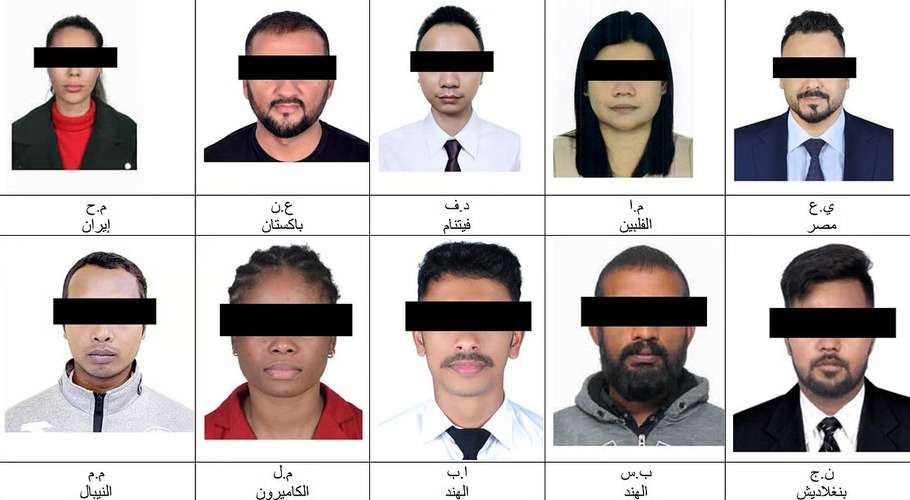
DUBAI: A Pakistani national is among 10 people arrested in the United Arab Emirates for, what the authorities allege, “publishing misleading and fabricated video clips on social media platforms” that targeted national security.
According to a report by the Emirates News Agency (WAM) on Saturday, UAE Attorney-General Dr. Hamad Saif Al-Shamsi ordered the immediate referral of the suspects to an urgent trial. The defendants, described as being of “various nationalities,” were apprehended following investigations into digital content circulated online amidst heightened regional tensions.
The UAE Public Prosecution stated that the arrests were made after continuous monitoring of digital platforms. The authorities alleged that the suspects exploited current events to spread misinformation intended to mislead the public and undermine “national security, order, and stability.”
Investigations revealed that the accused allegedly shared real footage of air defence systems intercepting projectiles alongside artificial intelligence (AI) generated clips. These fabricated videos reportedly depicted fake explosions and strikes on prominent UAE landmarks, as well as large fires that did not occur.
The prosecution further noted that some of the circulated content was designed to “exploit children’s emotions” and falsely imply security threats. Other clips purportedly claimed the destruction of military facilities within the country or misrepresented incidents occurring abroad as having taken place within the UAE.
Dr. Al-Shamsi warned that such acts constitute serious criminal offences. Under UAE law, the deliberate dissemination of misinformation and threats to public security can carry a minimum sentence of one year in prison and a fine of no less than Dh100,000 (approximately PKR 7.5 million).
The Attorney-General emphasised that the authorities would not tolerate the misuse of modern technologies to “disturb public order” or reveal “sensitive defensive capabilities.”
The suspects are currently in custody pending further legal proceedings. The move comes as Gulf states tighten regulations on digital communication to prevent the spread of “fake news” and AI-manipulated content during periods of regional instability.