








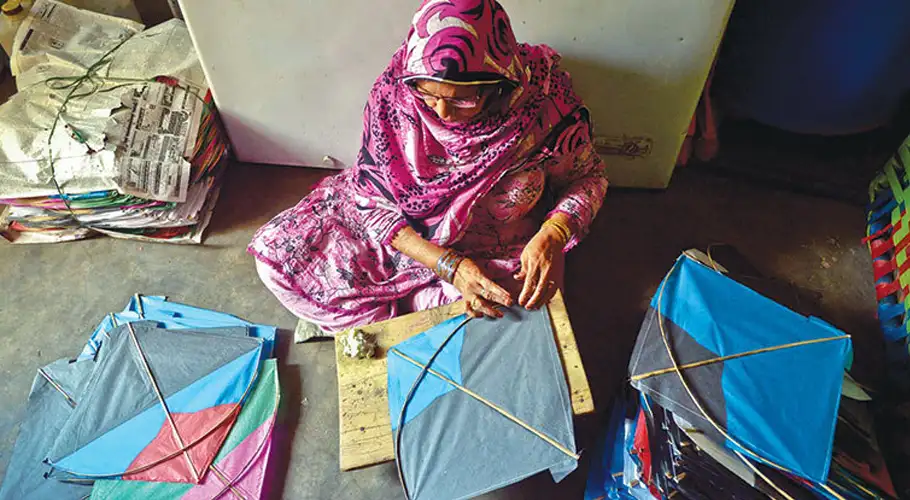
Lahore is world-famous for its traditional fighter kites, particularly those flown during the Basant festival. These kites are categorized by their shape, size, and whether they are considered “male” or “female” in design.
Common Kite Types in Lahore
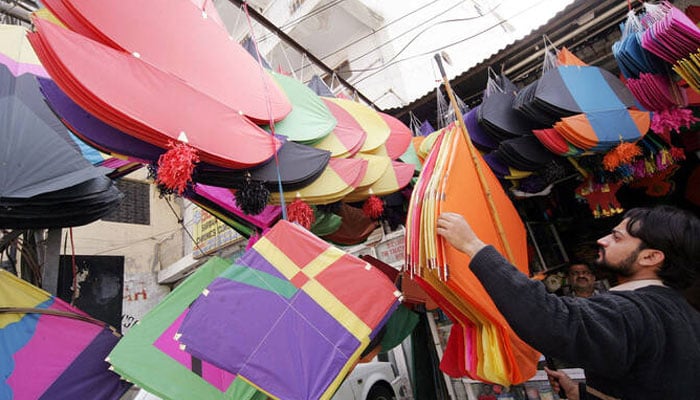
Gudda
Referred to as the “male” kite, it is generally heavier and more stable. It is distinguished by a Patta (a triangular paper tail).
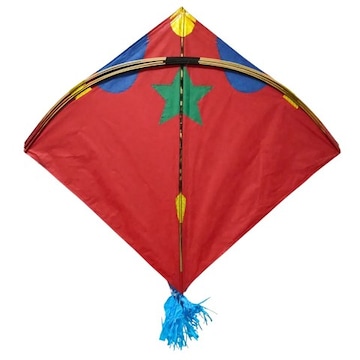
Guddi
The “female” version, which is typically lighter and more agile. Instead of a triangular tail, it often features a small paper tassel at the bottom.

Patang
A classic fighter kite with a distinct diamond-like shape unique to Lahore. Large versions of these are sometimes referred to as Kup.

Tukkal
A traditional, more complex design that is often heavier and used for serious kite-fighting matches.
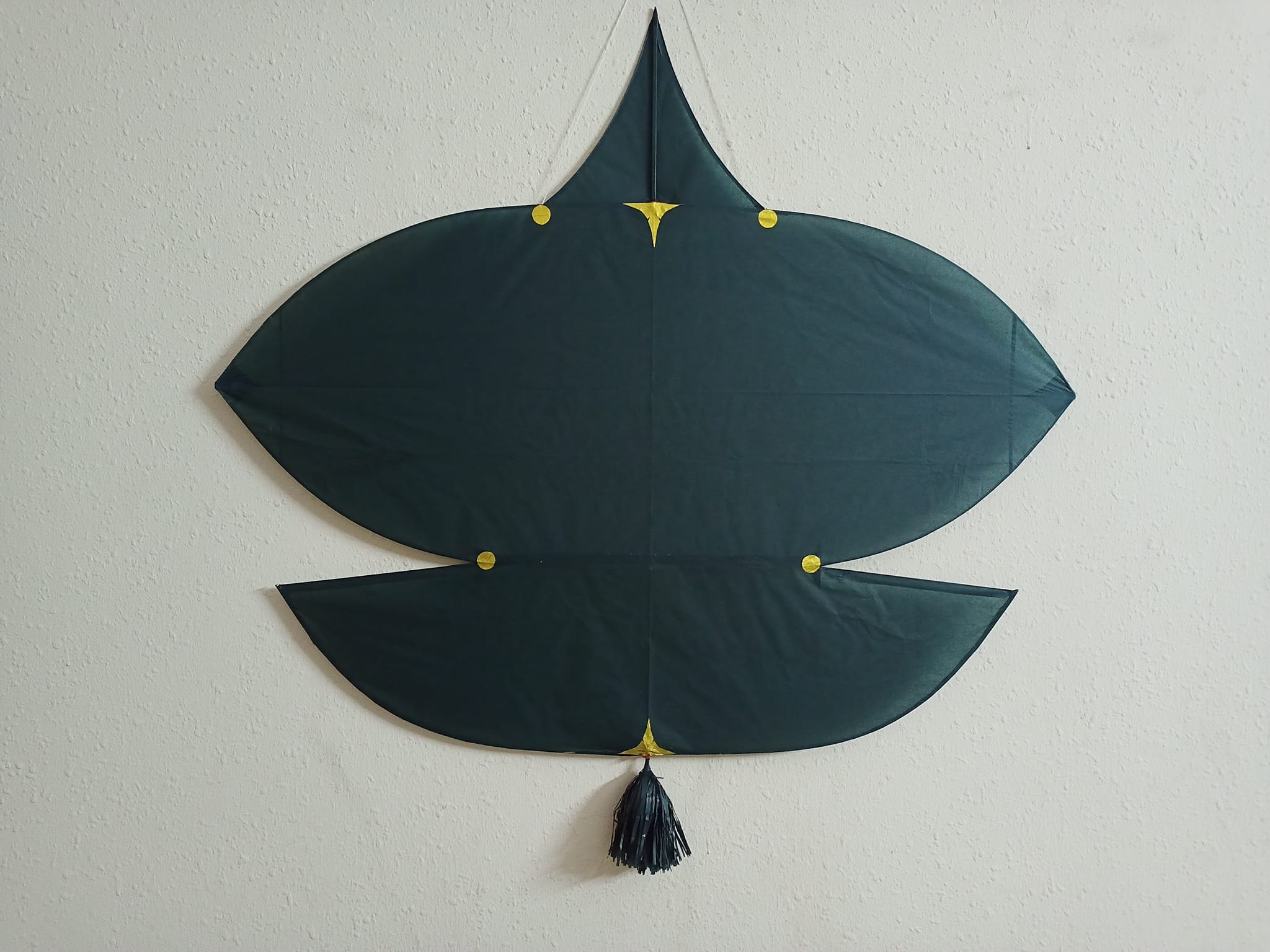
Pari
A kite shaped like a “fairy,” known for its aesthetic beauty and graceful flight.

Specialty Shapes
Lahori creativity has led to various novelty shapes, including rockets, jets, and pans (leaf shapes), as well as kites resembling animals like cats or eagles.

Size Classification (Tawa)
In Lahore, the size of a kite is traditionally measured in Tawa (units based on paper sheet size).
Adha Tawa: Small, half-size kites.
Pauna Tawa: Medium-sized kites.
Ek Tawa: Standard large size (approx. 33″ W x 29″ T).
Dedh Tawa: Extra-large “1.5 Tawa” kites are used by professional fliers.
Regulatory Note (Basant 2026)
Under the Punjab Regulation of Kite Flying Rules, specific size limits are now enforced for safety:
Patang: Must not exceed 35 inches in width and 30 inches in length.
Gudda: Must not exceed 40 inches in width and 34 inches in length.
Strings: Only cotton string (not more than 9 threads) is permitted; nylon and metallic “chemical” strings are strictly banned.