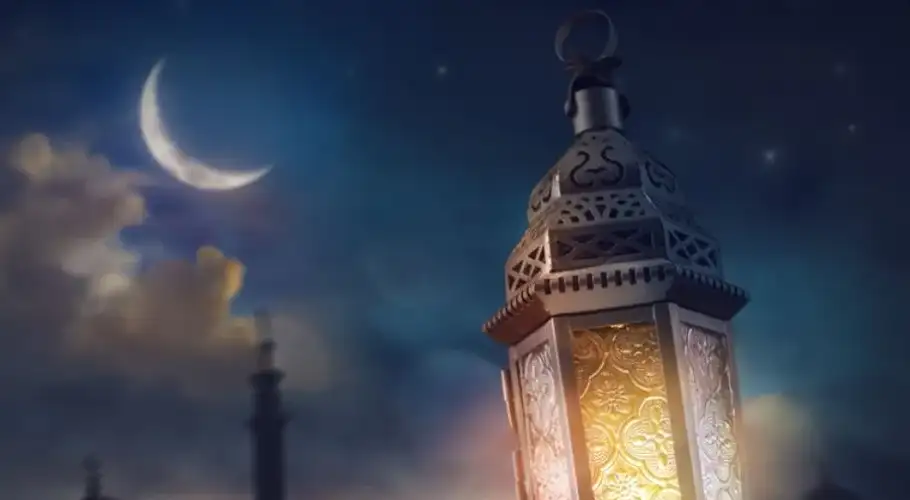
Muslims around the world are preparing to observe Shab-e-Barat 2026 tonight, one of the most spiritually significant nights in the Islamic calendar. The night is marked by prayers, reflection, and seeking forgiveness for past sins.
Here is why Muslims celebrate and honor this night.
History of Shab-e-Barat
Shab-e-Barat, also known as the “Night of Records” or “Night of Forgiveness,” has roots in Islamic tradition, where it is believed that Allah writes the destiny of individuals for the coming year.
Scholars highlight that the Prophet Muhammad (peace be upon him) encouraged extra prayers and charity on this night.
Shab-e-Barat falls on the 15th of Sha’ban, which is exactly two weeks before the start of Ramadan. It serves as a “spiritual warm-up.”
By seeking forgiveness and purifying their intentions tonight, Muslims prepare their hearts to enter the month of fasting with a clean spirit.
How is it Observed?
Night Vigil: Many stay awake all night offering voluntary prayers (Nawafil), reciting the Holy Quran, and engaging in Zikr (remembrance of Allah).
Fasting: It is highly recommended to fast on the following day (the 15th of Sha’ban).
Charity: People distribute food, sweets (often Halwa), and money to the poor and neighbors.
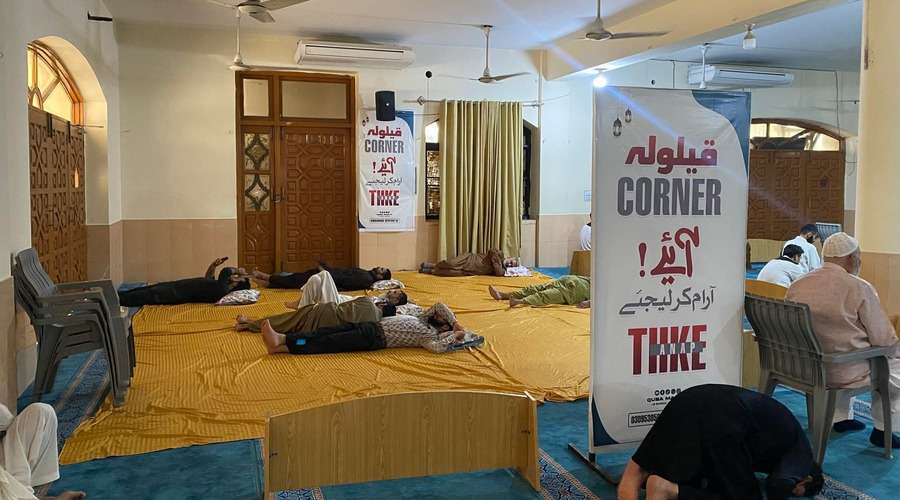
Community: Mosques are often illuminated, and special congregations are held for collective supplication.
Significance
- Devotees engage in Tahajjud prayers and recitation of the Quran and seek forgiveness for their past deeds.
- Muslims offer special prayers for departed family members, visit graves, and remember loved ones.
- Acts of generosity and helping the needy are emphasized, reflecting the spiritual essence of the night.
Across Pakistan and many Muslim-majority countries, mosques will hold special night-long prayers, and families will gather for reflection, remembrance, and communal prayers.
Shab-e-Barat is a night that emphasizes spiritual cleansing, hope, and renewal, reminding the faithful of the importance of repentance and righteous living.
Note on Different Views: While widely celebrated in countries like Pakistan, India, and Turkey, some scholars (particularly in the Middle East) consider the specific celebrations of Shab-e-Barat to be a cultural innovation (Bid’ah), as they believe the night of destiny is actually Laylat-ul-Qadr in Ramadan. However, almost all agree that Sha’ban is a blessed month for extra worship.