










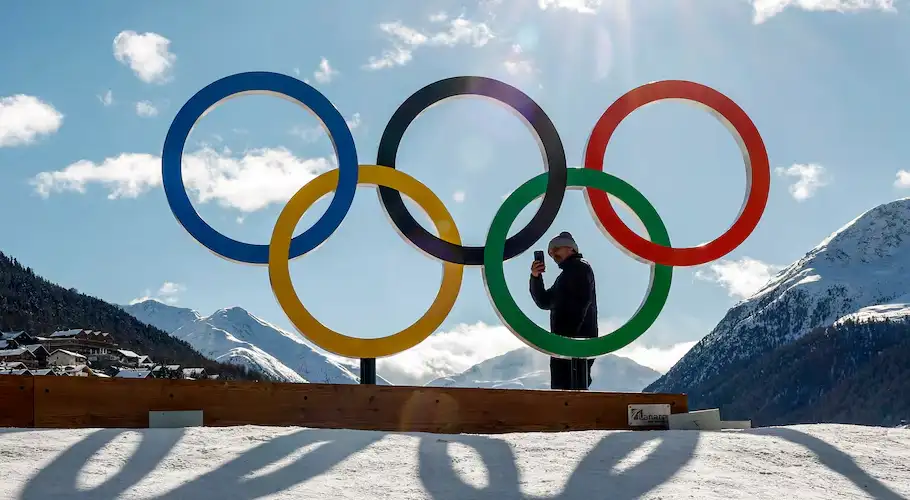
India’s ambitions to host the 2036 Olympic Games are facing growing uncertainty following a high-profile diplomatic and sporting row with Bangladesh during the ICC T20 World Cup.
According to a report by the British newspaper The Guardian, the incident has triggered significant concern within the International Olympic Committee (IOC) regarding the potential “politicization of sports” and the looming risk of future boycotts.
The Core of the Dispute
The controversy began when the International Cricket Council (ICC), currently led by Indian Chairman Jay Shah, rejected a formal request from the Bangladesh Cricket Board (BCB) to relocate their group-stage matches from India to co-host Sri Lanka.
The standoff emerged amidst deteriorating political relations between India and Bangladesh, which have now decisively spilled over into the sports arena.
Bangladesh officially cited security risks as the reason for their refusal to play on Indian soil. However, the ICC maintained the original schedule, leading to a deadlock.
Following Bangladesh’s withdrawal from the tournament, Scotland was officially drafted in as their replacement to ensure the World Cup proceeds with its full quota of teams.
Why Does It Matter for the Olympics?
The IOC maintains a much stricter policy against political interference in sports compared to the ICC.
Sources suggest that the IOC finds it “unthinkable” to award the Olympic Games to a nation where geopolitical tensions could lead to participating countries boycotting the event.
While India has recently secured the hosting rights for the 2030 Commonwealth Games in Delhi, the Ahmedabad 2036 Olympic bid now faces a stiff challenge, primarily from Qatar, as international observers call for a clear separation between government policy and sports administration.