










Pakistan has recorded a notable increase in average wages over the past four years, which the government has described as a positive economic indicator, according to the Labour Force Survey 2024–25.
However, experts point out that due to persistently high inflation, this increase in wages has failed to translate into a proportional improvement in real purchasing power.
Data released by the Pakistan Bureau of Statistics shows that the average monthly wage stood at Rs24,028 in the fiscal year 2020–21, rising to Rs39,042 by 2024–25.
This represents an overall increase of around 62 per cent over four years. Nevertheless, unusually high inflation during the same period significantly weakened the impact of this wage growth.
According to the figures, inflation crossed 29 per cent in 2021–22 and remained elevated in subsequent years, severely affecting the real value of the rupee and household purchasing power.
A detailed analysis also reveals that wage growth was not uniform across all sectors of the economy, with marked variations between different segments.
In the formal sector, the average monthly wage increased from Rs34,964 in 2020–21 to Rs54,038 in 2024–25, reflecting a rise of approximately 54.5 per cent.
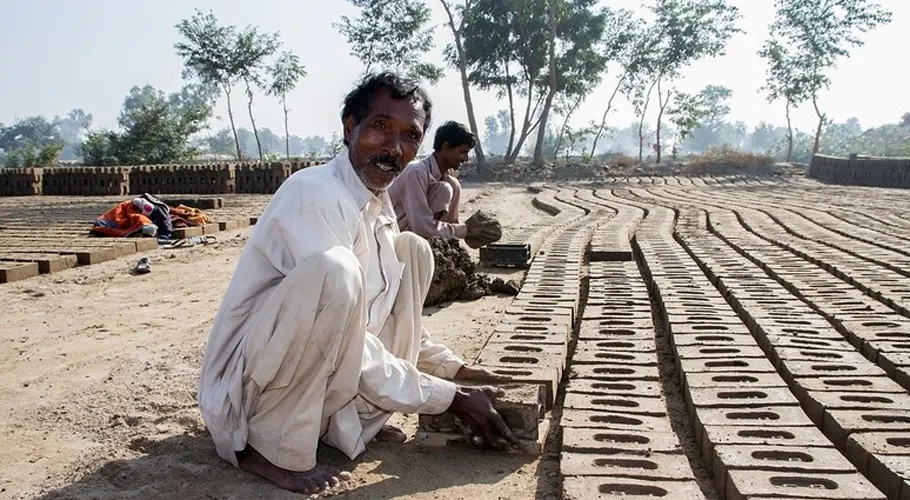
In contrast, in the informal sector—where a large proportion of the country’s workforce is employed—average monthly wages rose from Rs17,529 to Rs30,834 over the same period.
The Bureau of Statistics stated that international statistical standards and principles were fully observed during the survey, while acknowledging a possible margin of error of up to five per cent.
Experts note that the likelihood of error may be higher in the informal sector, where respondent bias and data collection challenges can affect survey accuracy.
At the provincial level, the survey recorded the highest average monthly wage in Balochistan at Rs27,659.
Sindh ranked second with Rs24,664, followed by Khyber Pakhtunkhwa at Rs24,028, while Punjab stood fourth with an average monthly wage of Rs23,367.
However, some media reports citing informal analyses have raised questions about the actual wage disparities within provinces.
Several economists have argued that these provincial rankings may reflect survey methodology and sample selection rather than ground realities.
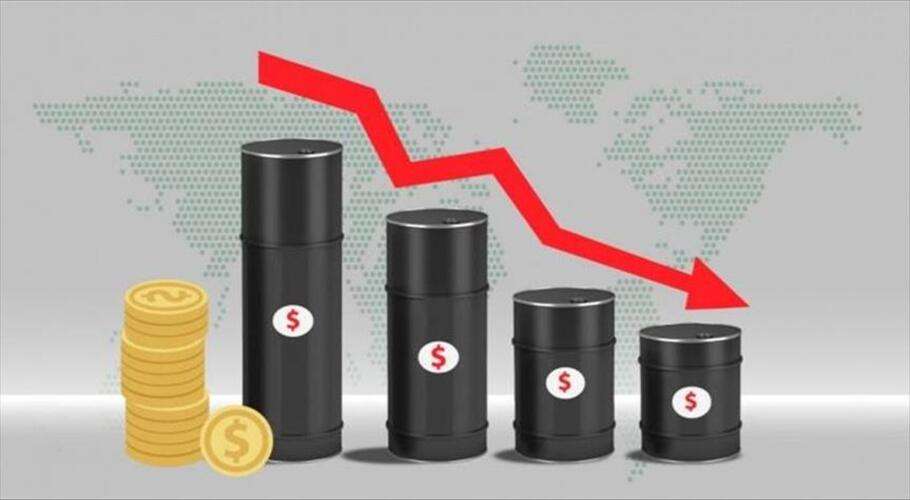
Inflation data shows that the rate stood at 8.9 per cent in 2020–21, surged to 29.18 per cent the following year, eased to 23.41 per cent in 2023–24, and averaged 4.49 per cent in 2024–25.
Experts conclude that cumulative inflation over this period has severely eroded real incomes, particularly for low- and middle-income households, whose spending is largely concentrated on food, energy and transport.