










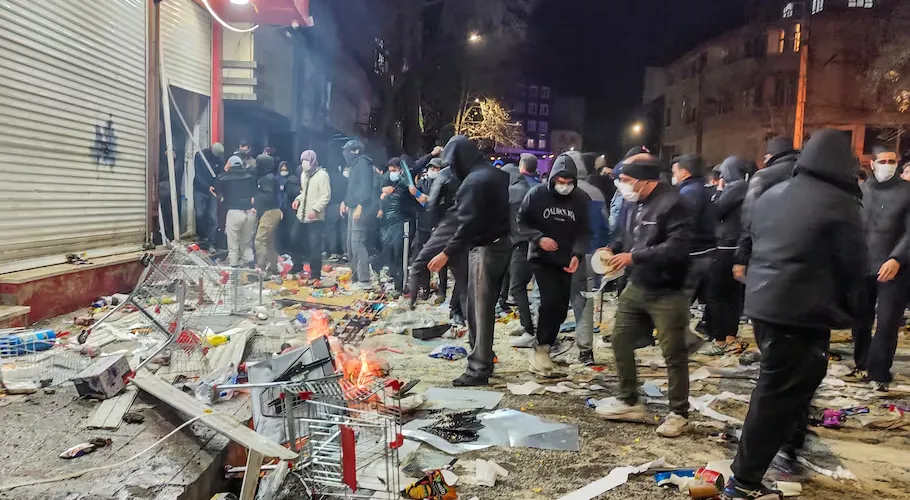
Iran is facing its 12th consecutive day of large-scale anti-government protests, described by observers as the most extensive unrest since the 2022 Mahsa Amini uprising.
Demonstrations and strikes have spread rapidly across the country, prompting authorities to impose a nationwide internet and telephone shutdown in an effort to curb coordination and block the flow of information abroad.
According to human rights groups, protests have been reported in at least 111 cities across all 31 provinces, with nearly 350 protest sites, including 45 universities, taking part in demonstrations and work stoppages.
Activists say at least 45 protesters have been killed and more than 2,200 arrested, while state media has acknowledged the deaths of at least five security personnel.
Despite President Masoud Pezeshkian’s public call for “utmost restraint,” reports from inside the country indicate that security forces have used tear gas and live ammunition to disperse crowds.
Rights groups allege that authorities have also raided hospitals, including in western cities such as Ilam, to detain injured demonstrators.
The unrest was initially sparked by Iran’s deepening economic crisis, after the rial plunged to a record 1.5 million per US dollar earlier this week.
Soaring prices and food inflation exceeding 70 percent have intensified public anger. What began as economic protests has now evolved into open political defiance, with demonstrators calling for the end of the Islamic Republic.
View this post on Instagram
In several major cities, including Tehran and Mashhad, protesters have been heard chanting slogans such as “Long live the King” and “Pahlavi will return,” signaling growing monarchist sentiment and support for exiled figure Reza Pahlavi.
The crisis is unfolding amid heightened regional and international tensions. The protests follow a brief but destructive conflict in mid-2025 involving Israeli and US strikes on Iranian nuclear facilities, which analysts say further weakened Iran’s economy and security apparatus.
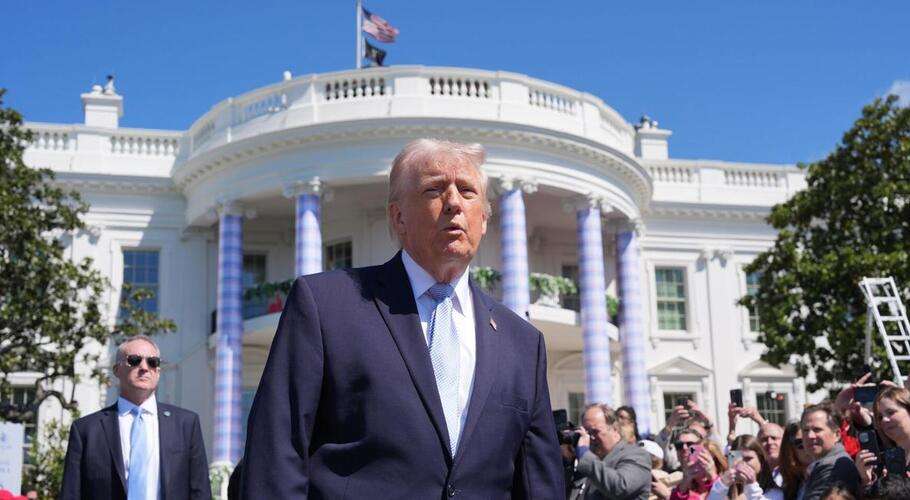
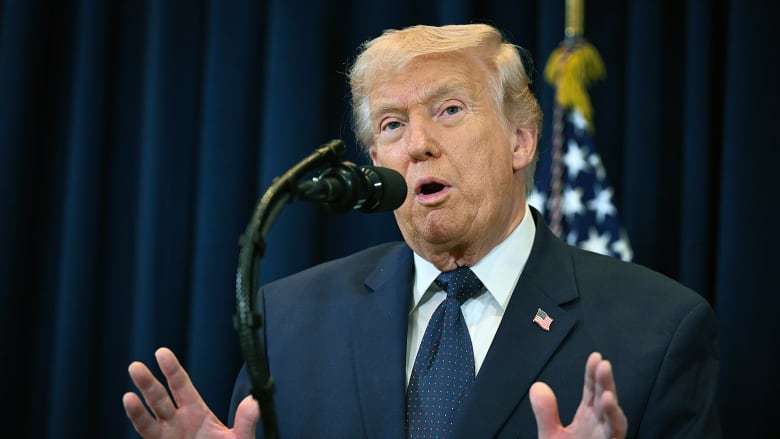
US President Donald Trump has warned that Washington would respond forcefully if Iranian authorities carry out mass killings of demonstrators.
Meanwhile, calls are growing for international action, with appeals to the United Nations to address the escalating situation.
Despite the communications blackout, activists continue to relay information through limited channels, as Iran remains on edge amid one of the most critical moments of unrest in recent years.