










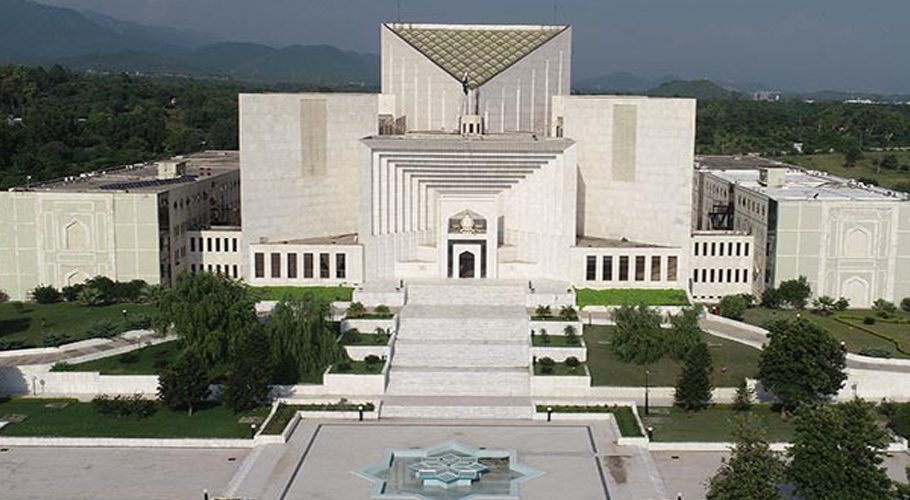
The Supreme Court of Pakistan has overturned a lower court decision that ordered the determination of a petitioner’s parentage through a DNA test, ruling that challenges to paternity cause humiliation and stigma to family honor. The apex court cautioned that judicial intrusion into such sensitive matters undermines the sanctity of family life.
Justice Jamal Khan Mandokhail, heading a two-judge bench, said such directions, when lacking proper legal basis, constitute an unwarranted intrusion into the sanctity of family life and a woman’s reputation.
On November 3, 2022, a special judge of the Anti-Corruption Court in Pakpattan ordered a circle officer to conduct DNA tests of the petitioner and one Mohammad Haneef, ruling that the core dispute in an inheritance case revolved around the petitioner’s paternity.
The order was challenged through a revision petition before the Lahore High Court, which dismissed the plea on December 6, 2022.
The case stemmed from allegations that several respondents were involved in forgery and corruption, including the material alteration of the petitioner’s parentage in educational records, allegedly to deprive him of his lawful inheritance.
The Supreme Court observed that challenges to paternity must not be taken lightly, noting that compelling DNA testing without sufficient grounds casts serious aspersions on the character and moral integrity of the mother, an approach the court has previously declared impermissible.
The six-page judgement stressed that privacy protections extend to personal data, communications, and family life, shielding individuals from unwarranted interference by the state or private entities.
It further held that demands for DNA testing to determine parentage violate fundamental rights, as genetic information reveals sensitive details about lineage and bodily integrity, and individuals retain the autonomy to refuse unsolicited medical procedures.