










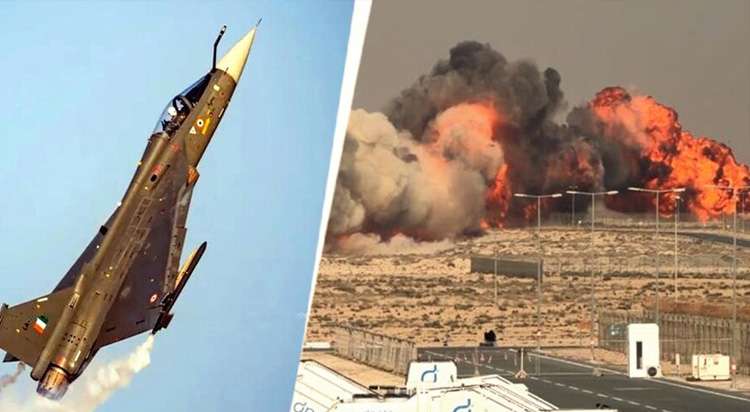
India has long been having ambitions to become a major weapon exporters, however, the crash of India’s Tejas fighter jet at the Dubai Airshow has dealt a setback to the global reputation of the country’s defense technology.
The exact cause of the crash has not been immediately determined, but the incident raises questions about India’s decades-long development program. India paid tribute to Wing Commander Namanish Sial, who was killed in the crash.
Experts say the Tejas program’s prospects in foreign markets could be affected, though domestic military procurement is expected to support the aircraft’s future.
The Dubai Airshow is the world’s third-largest airshow, where accidents are rare. The Tejas program was launched in the 1980s to replace aging Soviet-era MiG-21 aircraft.
Hindustan Aeronautics Limited (HAL) currently has orders for 180 domestic Tejas Mk-1A variants, but deliveries have been delayed due to issues with GE engine supplies. Analysts say the Dubai crash has temporarily limited export prospects.
The Indian Air Force is concerned about a shortage of aircraft squadrons, with only 29 approved instead of the planned 42. India is considering additional purchases of French Rafale jets to meet immediate needs and evaluating options for fifth-generation F-35s and Russian Su-57s in the future.
The long-term significance of the Tejas program likely lies not in foreign sales but in building India’s industrial and technological infrastructure for future fighter aircraft.
Regional rival nations, India and Pakistan, showcased their airpower at the Dubai Airshow. Tejas performed multiple aerial demonstrations. Pakistan announced an interim agreement to procure jointly developed JF-17 Thunder Block III jets from China. Pakistan’s JF-17s gained practical experience during recent four-day tensions and were described as “battle-tested.”