











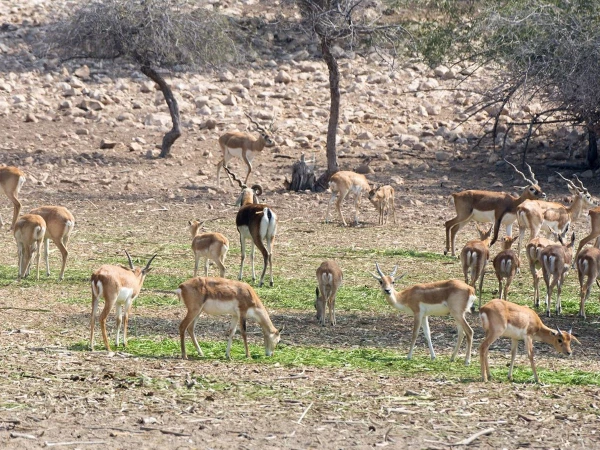
The Punjab government has introduced two major initiatives to enhance wildlife management and ensure public safety from potential threats posed by wild animals.
As part of these efforts, the government has enforced the “Punjab Wildlife Hazard Control Rules 2025” and approved several amendments to existing wildlife protection laws to modernize environmental conservation and biodiversity management across the province.
According to the official notification, the new rules aim to ensure a scientific, organized, and immediate response in case of human–wildlife conflicts or hazards.
If a wild animal poses a threat to human life or other living beings, or becomes unable to survive due to illness or injury, the Chief Wildlife Ranger may order necessary action based on field reports, scientific evidence, or public complaints.
In emergency situations, the ranger may consult relevant experts to decide whether to capture, relocate, or remove the animal.
The rules specify that before any such operation, consultation with the Punjab Captive Wildlife Management Committee and veterinary experts is mandatory to ensure all actions adhere to humane and scientific standards. A comprehensive strategy has also been formulated to prevent future risks, allowing the government to declare any species as “harmful” or “pest” if needed.
In designated areas, temporary hunting permits may be issued, while sensitive sites may be declared “Wildlife Hazard Zones”, where feeding or keeping wild animals will be prohibited.
The new regulations also include provisions for repatriating foreign species to their native habitats and reintroducing native species into their natural ecosystems. Individuals or institutions assisting in the safe handling or transfer of dangerous animals will receive government-approved rewards.
Additionally, the Punjab government has increased fines and penalties for violations of wildlife protection laws. The illegal hunting or possession of rare and predatory birds, including falcons, has been strictly prohibited.
Under the amended Wildlife Act, the compensation for illegal hunting or trapping of birds listed in the First Schedule will be Rs 10,000 per bird. The fine for species such as falcons, hawks, lanners, and owls has been set at Rs 100,000, while the penalty for mammals listed in the Second and Third