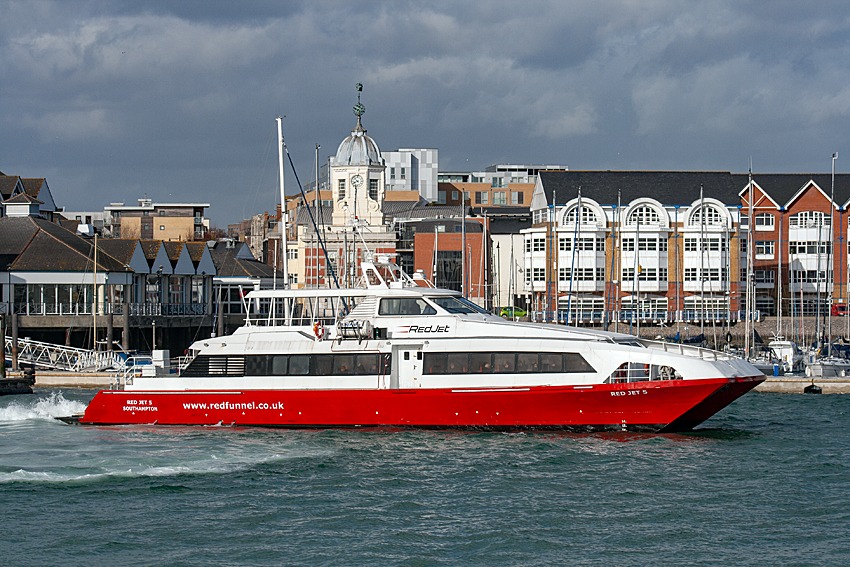
Public scrutiny is intensifying after reports revealed that a community-backed bid to buy Red Funnel — the Isle of Wight’s vital ferry operator — was rejected in favor of a London-based private equity firm, Njord Partners.
According to multiple media reports, Vectis Ferries, a locally led consortium, had offered around £100 million to acquire Red Funnel and bring the company under Island ownership. However, the proposal was dismissed, and Njord Partners secured the takeover for an undisclosed sum — a move that has sparked widespread anger among Islanders and political leaders alike.
Residents and officials have criticized the decision as being made “behind closed doors,” without consultation or transparency. Local MPs said they were not even informed of the deal before it was finalized.
“This is a bad day for the Island,” said Joe Robertson, MP for Isle of Wight East. “They have not even had the courtesy of contacting local elected representatives. Island residents will continue to pay over-inflated prices. The Government must step in — enough is enough.”
His counterpart, Richard Quigley, MP for Isle of Wight West, echoed those concerns:
“Ferries are a lifeline service for Islanders. We are not just a cash machine for private equity.”
Phil Jordan, Leader of the Isle of Wight Council, added that the sale raised “serious questions” about the future of Red Funnel’s services.
“Islanders deserve reliable ferries at affordable prices. This acquisition does not provide the reassurance we need.”
Observers have pointed to Njord Partners’ business model — and its political links — as reasons for concern. The firm, which specializes in “distressed” buyouts, was previously reported to have donated £20,000 to former Home Secretary Priti Patel.
While there is no evidence that the donation was connected to the Red Funnel deal, the association has raised questions about the influence of political relationships in a process that excluded community bidders.
Dr. James Whitmore, a transport policy researcher on the Island, warned that the takeover could lead to fare hikes and service reductions.
“Njord’s model is clear — acquire, restructure, and sell for profit. That might work in manufacturing, but for a lifeline ferry service, it risks higher prices, deferred investment, and job insecurity.”
He noted that Red Funnel already faces financial strain. The company itself admitted that “significant indebtedness has severely limited its ability to invest.” Its subsidiary, Hythe Ferry, was suspended in 2024 due to disrepair.
Sarah Coleman, a former maritime consultant, said the sale was about more than corporate ownership:
“This isn’t just about ferries — it’s about access to hospitals, schools, and workplaces. Treating a lifeline like a financial asset is wrong and dangerous.”
Island leaders are now demanding that Njord Partners disclose the full sale terms, including the purchase price, service guarantees, fare commitments, and investment plans.
“Full transparency is essential,” Coleman said. “Islanders deserve to know what was agreed. Service standards, fare caps, and route frequencies must be binding — and the community should have oversight.”
The controversy has reignited debate over the ownership and regulation of lifeline transport services, with campaigners urging the government to ensure that such critical infrastructure is never again sold without community input.
For the Isle of Wight, Red Funnel is more than a company — it’s a bridge to the mainland. And for many Islanders, the question remains: why was a higher local bid ignored in favor of a private equity firm with no ties to the community?