










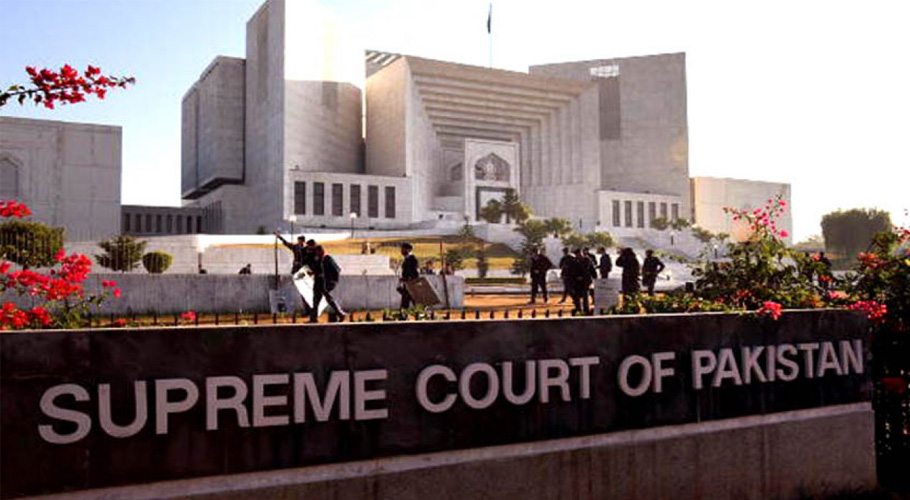
The Supreme Court has introduced the Public Facilitation Portal, prepared under the directions of the Chief Justice, which has been activated on the court’s official website under the public portal link.
According to details, this portal functions as a comprehensive, interactive online gateway aimed at reducing the gap between citizens and the judiciary. Under the “case information” section, users have easy access to multiple services designed to simplify the judicial process. Citizens can search for their case details through name, case number, or type of petition.
Through the Public Facilitation Portal, citizens can instantly obtain information that previously required multiple personal visits. The helpline 1818 provides a direct communication channel with the Supreme Court, enabling individuals to seek guidance, resolve procedural queries, or obtain technical assistance in real time.
In addition, a comprehensive Frequently Asked Questions (FAQs) section explains various legal terms, filing procedures, and hearing protocols in simple and understandable language — bridging the gap between legal complexities and public understanding. This feature is particularly beneficial for individuals without legal representation, as it empowers them to interact with the justice system independently and confidently.
The “application status” section provides a seamless digital mechanism for real-time monitoring of key applications such as urgent hearing requests, general adjournments, and video link petitions. Each application can be tracked from submission to decision, ensuring transparency at every stage. Users receive instant updates about the current status, next steps, or outcomes of their applications.
This innovation significantly reduces the need for follow-up visits and written correspondence, thereby minimizing administrative delays. Most importantly, it keeps citizens from remote areas or overseas Pakistanis fully connected with the progress of their cases without physical presence. This achievement is deeply aligned with the court’s vision of “justice without barriers.”