










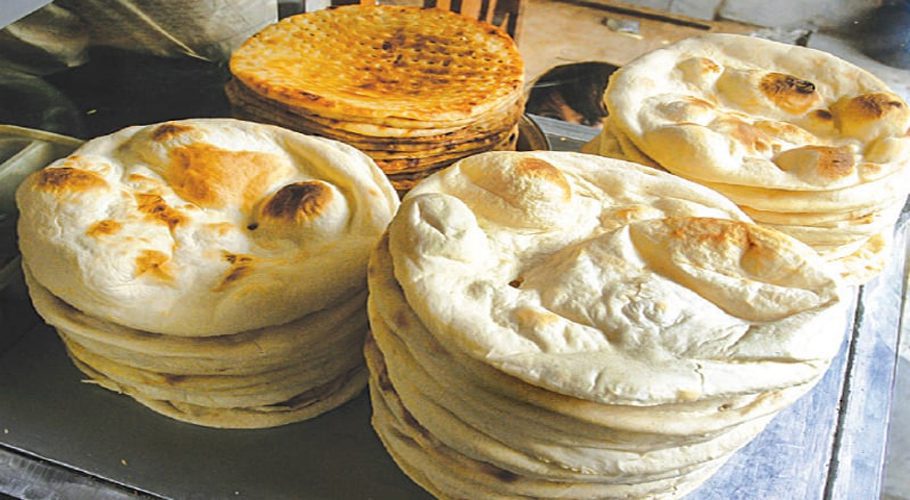
Tandoor owners in Rawalpindi and Islamabad have raised prices for staple bread items, roti, naan, kulcha, and paratha, amid the absence of official price regulation. The hikes appear arbitrary, with no government-imposed controls currently in place.
A standard roti now costs Rs20, up from Rs15, while naan is selling for Rs30, a Rs5 increase.
The price of kulcha, a thicker and softer bread, has risen from Rs30 to Rs40. Meanwhile, paratha, a breakfast staple, is being sold for Rs60, up from the previous Rs50.
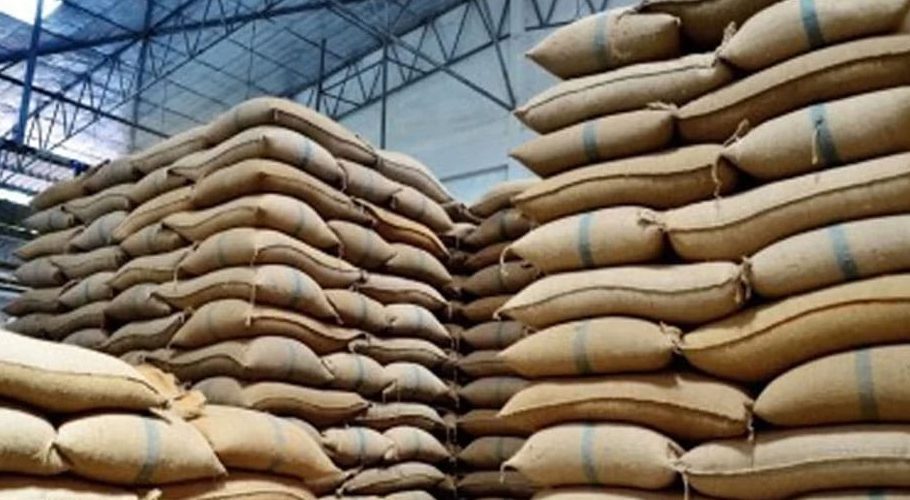
These price hikes are expected to further strain household budgets already burdened by inflation. However, they also reflect broader trends in the agricultural sector—specifically, a sharp rise in wheat prices.
Earlier this year, Topline Securities reported that wheat prices had surged to a 19-week high, reaching Rs710 per 10kg or Rs2,839 per 40kg, with some markets quoting rates as high as Rs3,050.
This price rebound, while tough on consumers, has offered some relief to farmers gearing up for the Rabi sowing season. Following a challenging year, where wheat production fell 8.9% and overall major crop output declined by 13.5%, the increase in wheat prices is seen as a timely boost. Many farmers suffered average losses exceeding Rs10,000 per acre last season due to a combination of extreme weather, water shortages, and rising input costs.