










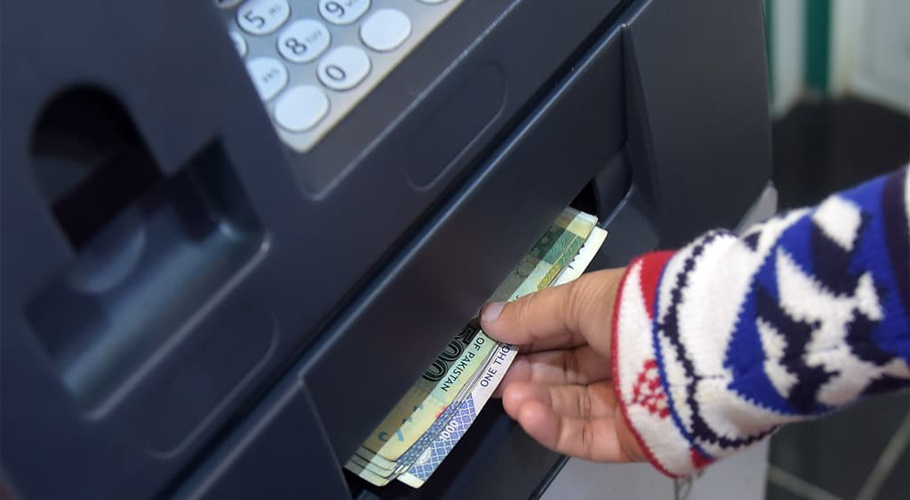
ATM cash trapping is a physical fraud that prevents your withdrawn money from reaching you. Usually the scammers put a device or barrier over the ATM’s cash slot so the machine releases your money but it doesn’t drop into the customer retrieval zone.
The scammer then waits for you to leave thinking that the machine has broken down or failed your transaction, takes out the caught money, and gets away. They sometimes combine this with social engineering by policing you to abort the transaction or call “assistance”, so they can get their caught notes or get you to disclose card/PIN information.
Following is a non-technical guide describing how the scam is perpetrated, red flags to look out for, what to do if it occurs, and how it can be avoided.
How scammers typically execute cash-trapping
They affix a thin obstruction or tamper the cash slot so dispensed bills snag or accumulate behind the flap rather than dropping out.
Either they do the withdrawal themselves and wait for the victim to show, or they wait for a mark who will access the ATM.
Social engineering / distraction
Scammers will, if the victim does spot an issue, pretend to be a helpful staff member, someone passing by, or a bank employee in order to distract the victim or to persuade the victim to cancel the transaction, call a “help” number, or step away.
Once the victim departs or is distracted, the scammers take down the trap and take the cash.
Signs an ATM may be tampered with
- Look out for anything out of the ordinary before you proceed to use the machine:
- Loose, crooked, or broken faceplate or cash slot.
- Parts that appear freshly glued, taped, or of a different color/texture.
- Flaps not moving like they should or loose/more bulky than usual.
- Foreign objects stuck in the cash slot or unusually hanging parts.
- Individuals hanging around the ATM who are not bank employees.
- A different or unofficial-looking service sticker/phone number displayed.
- If the machine shows you something other than what you expect (for example, it says “take your cash” but nothing happens after a very long delay).
- If something doesn’t feel “right”, don’t use it, try another ATM in a branch or a busy brightly lit area.
What to do you if you become a victim
- Remain at the ATM (don’t leave), scammers expect you to leave.
- Check the transaction record on the screen and your printed receipt (if available).
- Use the ATM’s help button or call the bank’s number printed on the machine (not a number someone hands you).
- Contact your bank immediately by phone or app to report the issue and request the transaction be investigated or reversed (many banks can flag and investigate quickly).
- Do not cancel the transaction by using the machine if the screen asks you to, cancellation may lead to confusion. Ring the bank instead.
- In case you feel threatened or notice suspicious individuals around, ring local police and move to safety (inside the branch of the bank or a public location).
- Preserves any evidence: photograph of the ATM, the tampering, the screen, and the surrounding environment; capture time and precise ATM location; retain receipts and bank messages.
- Check your account and think about blocking the card temporarily if card compromise is suspected.
How to protect yourself
- Make use of ATMs located inside bank branches or where there is good light, including busy areas. Indoor ATMs or those under camera and staff surveillance are more secure.
- Check the ATM before inserting your card: check card slot, keypad, and cash slot for loose or suspicious objects.
- Cover the keypad with your hand when you enter your PIN.
- Don’t let strangers help you. If someone tries to help, smile and say no and go inside to request assistance from bank personnel instead.