











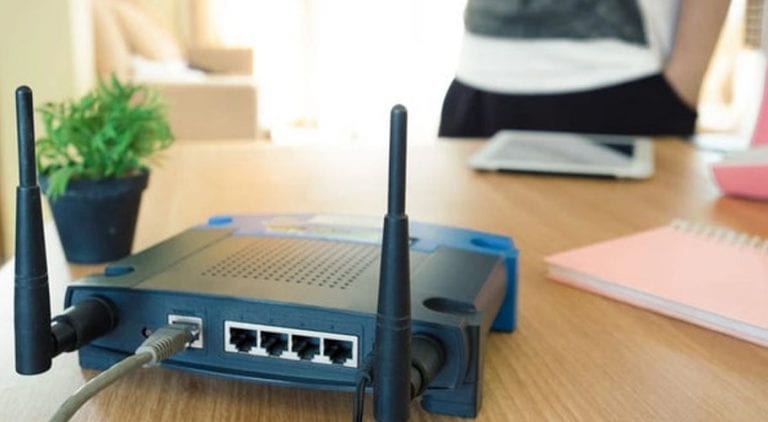
Indoor plants are known to help reduce the effects of air pollution inside homes. But would you believe that these very houseplants could also be slowing down your Wi-Fi connection?
Yes, indeed — a new study has made this claim.
According to research conducted by Broadband Genie, houseplants can reduce Wi-Fi speed. The study revealed that moving a router away from indoor plants can increase internet speed by more than one-third.
Researchers explained that the moist soil and thick leaves of plants absorb or deflect Wi-Fi signals, weakening internet coverage. This effect becomes particularly noticeable in smaller homes filled with several plants.
Experts admitted they were shocked to discover how much internet speed improved simply by repositioning a router away from plants. They advised users to place routers in areas free from plants to avoid signal disruption.
However, plants are not the only culprit — walls, ceilings, and even neighboring Wi-Fi networks can also contribute to slower internet speeds.
For those facing persistent connectivity issues, experts recommend changing the router’s position as a first step. Often, relocating the device significantly improves speed.
Since routers transmit signals in all directions, placing them in a corner reduces wireless coverage on one side of the home. That’s why positioning the router in a central location is considered best for optimal speed and network security.
Moreover, routers send stronger signals downward, so placing them higher up — on top of a shelf or mounted on a wall — ensures better overall coverage.