










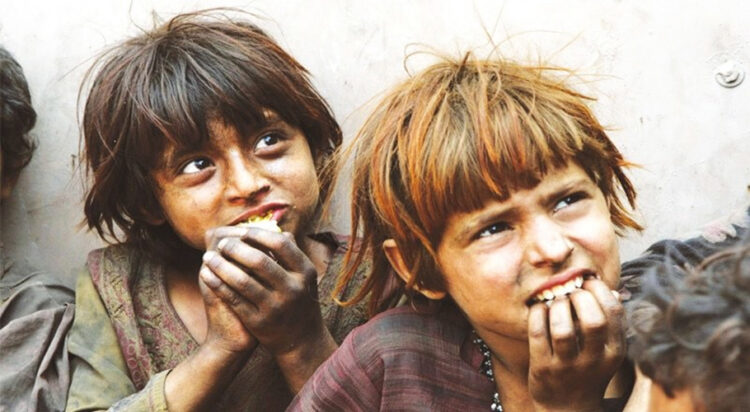
ISLAMABAD – Pakistan’s two decades of steady progress in poverty reduction have reversed in recent years, with the national poverty rate climbing to 25.3% in 2023-24, the World Bank said on Tuesday.
The findings appear in a new flagship report, Reclaiming Momentum Towards Prosperity: Pakistan’s Poverty, Equity and Resilience Assessment, the Bank’s first comprehensive review of poverty and welfare trends since the early 2000s. Drawing on household surveys and projections, the report warns that earlier gains have been eroded by successive economic shocks and weak policy responses.
According to lead author and senior economist Christina Wieser, Pakistan’s national poverty rate fell sharply from 64.3% in 2001-02 to 21.9% in 2018-19, but began rising again in 2020. She said the reversal has been exacerbated by the COVID-19 pandemic, the 2022 floods, soaring inflation and policy slippages, pushing poverty to 25.3% in 2023-24.
Wieser underscored the need for “bold, sustained and people-centered reforms” to reduce poverty, strengthen resilience and protect vulnerable populations. “Reforms that expand access to quality services, protect households from shocks and create better jobs, especially for the bottom 40 percent, are essential to break cycles of poverty and deliver durable, inclusive growth,” she added.
The report also notes that under the World Bank’s revised global upper-middle-income poverty threshold of $4.20 a day, about 44.7% of Pakistanis fall below the line.
However, the Bank clarified that this figure is not directly comparable to the national estimate of 25.3%, as the two use different benchmarks.
World Bank Country Director for Pakistan Bolormaa Amgaabazar emphasized that the two rates “are not comparable,” explaining that the 45% figure reflects the global upper-middle-income poverty line, whereas the 25.3% figure is based on Pakistan’s national poverty line.