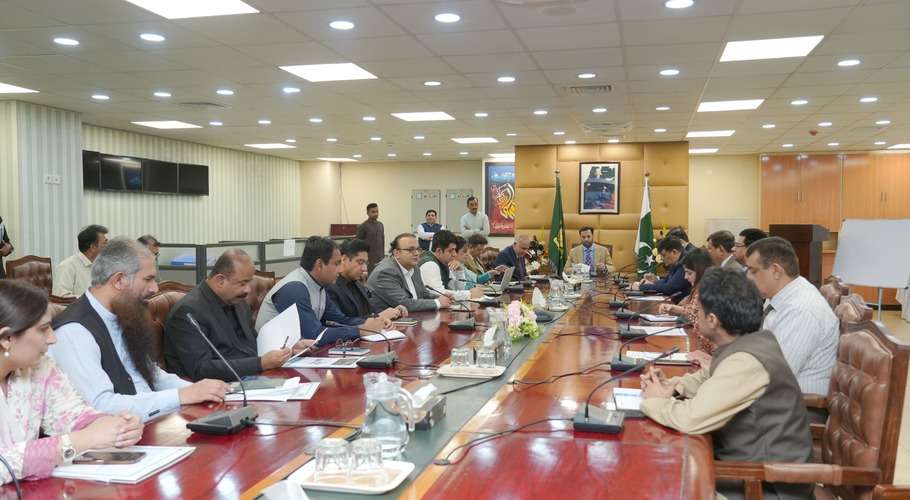
In a powerful address at a seminar on hereditary illnesses held at Children’s Hospital in Lahore, Caretaker Provincial Health Minister Dr. Javed Akram issued a stark warning: about 60 percent of hereditary diseases in Pakistan are linked to familial marriages, particularly cousins marrying cousins.
He stressed that urgent action is needed to stem this growing health crisis.
Dr. Akram began with a global context: nearly 400 million children worldwide suffer from inherited disorders, with conditions like thalassemia—which is common in Pakistan—often exacerbated by marriages within extended families.
Highlighting the severity of the issue, he announced that doctors are working hard to find effective treatments and solutions. One key initiative is a charity program aimed at providing free treatment to families who can’t afford expensive genetic tests and medications.
This humanitarian effort is expected to offer much-needed financial relief to families too burdened by medical costs.
Dr. Akram also announced that the provincial government, in collaboration with the Pakistan Society of Internal Medicine, will support new research projects and hold seminars at major medical centers—including the Children’s Hospital and the Jinnah Burn and Reconstructive Surgery Centre—to better understand and treat genetic disorders.
He emphasized that awareness must begin early.
Plans are underway for health screenings among schoolchildren, especially targeting ninth graders for early detection of diseases like thalassemia, a move Dr. Akram described as a potential “game changer” for future generations.
Beyond policy and research, Dr. Akram made a plea for cultural mindfulness. He attributed the rise in hereditary illnesses largely to consanguineous marriages, calling for communities to prioritize long-term health over longstanding traditions.