









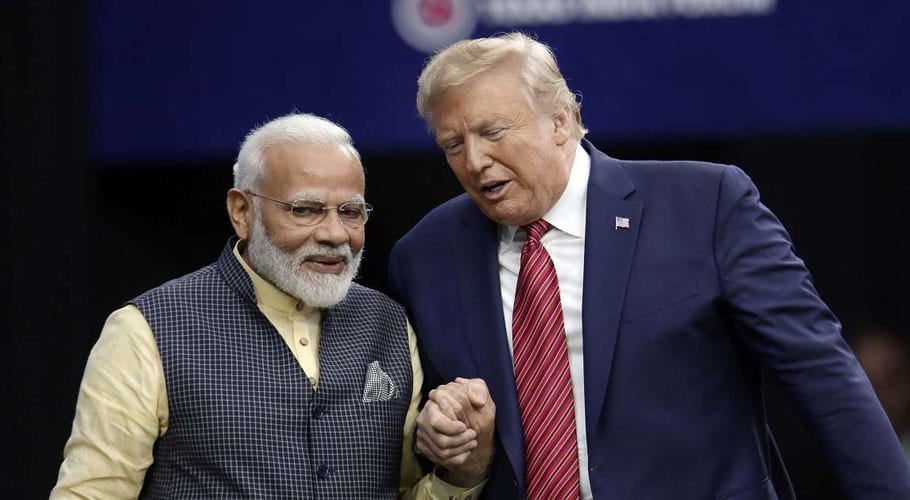
The United States has cancelled high-level trade talks with India, further straining relations between the two countries as a tariff dispute intensifies.
According to Indian media reports, a US trade delegation was scheduled to visit New Delhi from August 25 to 29, but the trip has now been called off. The cancellation comes as Washington warns that it may double tariffs on Indian exports to as high as 50% if New Delhi does not reduce its reliance on Russian oil.
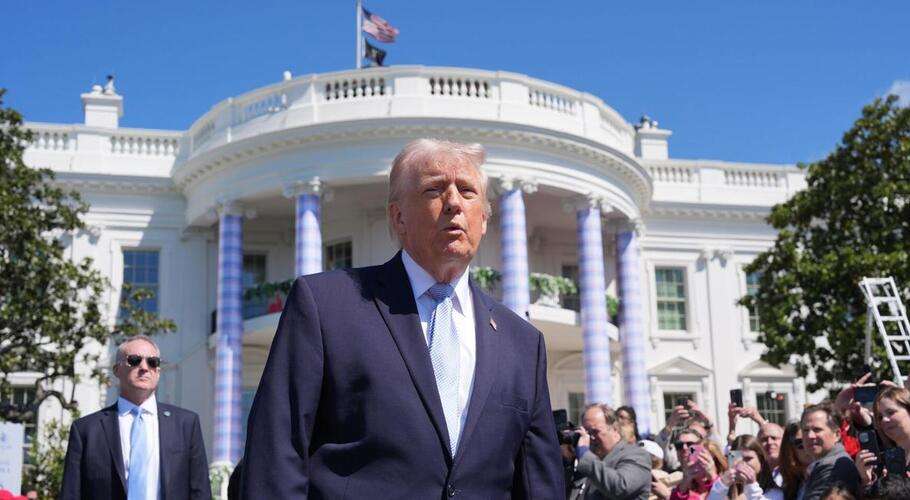
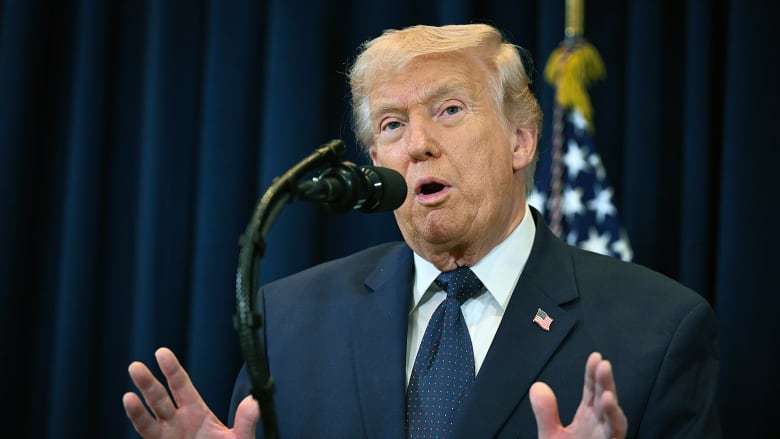
US officials have linked the tariff escalation to the outcome of talks between President Donald Trump and Russian President Vladimir Putin, which are expected to take place later this week in Alaska. Experts caution that such measures could severely disrupt bilateral trade ties.
Prime Minister Narendra Modi, in his Independence Day address from New Delhi’s Red Fort, responded by stressing India’s drive for energy independence and self-reliance in defense production.
“Self-reliance is the foundation of a developed India,” Modi declared, adding that India would defend its national interests “like a wall.”
Modi called on scientists and engineers to accelerate work on critical technologies, including semiconductor chips, fighter jet engines, and advanced defense systems. He announced that India-made chips would enter the market by year’s end and revealed plans for a space station and a domestic defense shield within the next decade.
The prime minister also praised India’s armed forces for their role in a brief conflict with Pakistan earlier this year, reiterating New Delhi’s suspension of its water-sharing treaty with Islamabad.
“India has decided that blood and water will not flow together,” he said.
While Modi avoided direct reference to Trump, he criticized policies he said threatened Indian farmers, a key constituency in ongoing trade talks.
“When economic selfishness is rising day by day, we must not just sit and worry but focus on our strengths,” he said.
Meanwhile, US Secretary of State Marco Rubio, in a message marking India’s Independence Day, described bilateral ties as “consequential and far-reaching” and expressed hope for a “brighter future for both nations.”