









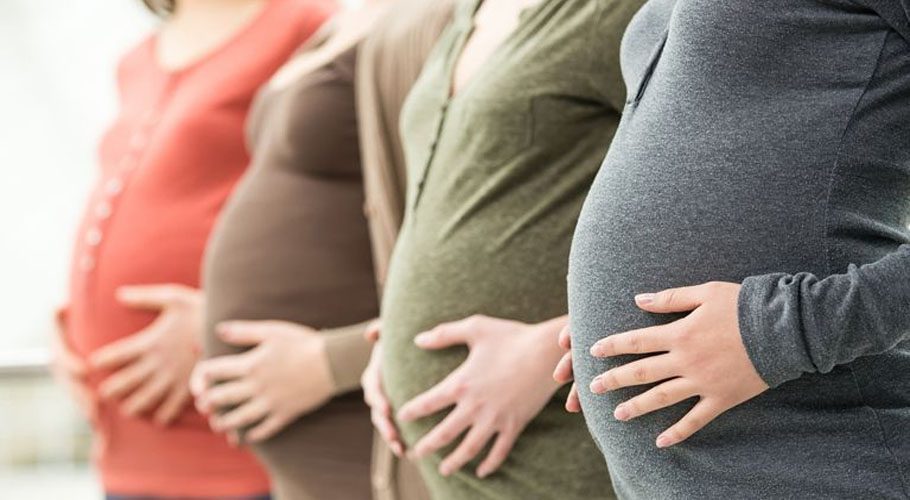
ISLAMABAD: A recent UN report, titled “Call for Action,” underscores the critical and urgent threat that climate change poses to pregnant women, infants, and children.
Released ahead of the global Conference of the Parties (COP28) negotiations on climate change in Dubai, the report highlights the neglect, underreporting, and underestimation of climate change effects on maternal and child health.
The report points out a glaring omission in the climate change response plans of most countries, as very few mention maternal or child health. This oversight is described as “emblematic of the inadequate attention to the needs of women, newborns, and children in the climate change discourse.”
Bruce Aylward, Assistant Director General for Universal Health Coverage, Life Course at the World Health Organization (WHO), emphasizes the gravity of the situation, stating, “Climate change poses an existential threat to all of us, but pregnant women, babies, and children face some of the gravest consequences of all.” He urges immediate climate action to safeguard the health and survival of children while ensuring their unique needs are recognized in the climate response.
The year 2023 has witnessed a series of devastating climate disasters, including wildfires, floods, heatwaves, and droughts. These events displace people, destroy crops and livestock, and worsen air pollution, with pregnant women and children bearing severe consequences. An overheating world contributes to the spread of deadly diseases like cholera, malaria, and dengue, particularly impacting pregnant women and children.
Research indicates that harm can begin in the womb, leading to pregnancy-related complications, preterm birth, low birth weight, and stillbirth. The consequences for children can last a lifetime, affecting the development of their bodies and brains.
Omar Abdi, UNICEF Deputy Executive Director for Programmes, warns against ignoring the unique vulnerability of children to pollution, diseases, and extreme weather. He emphasizes the collective responsibility to put children at the center of urgent climate action, starting at COP28.
The “Call for Action” report outlines seven urgent actions, including sustained reductions in greenhouse gas emissions, action on climate finance, and the specific inclusion of the needs of pregnant women, babies, and children in climate and disaster-related policies. The agencies also advocate for more research to better understand the impacts of climate change on maternal and child health.
Diene Keita, Deputy Executive Director for Programmes at UNFPA, underscores the importance of finding climate solutions that acknowledge the distinct health needs and vulnerabilities of women and girls. She emphasizes the need for global climate solutions to support, not sacrifice, gender equality.

The report, released by WHO, UNICEF, and UNFPA at an online launch event, coincided with an advocacy brief by the Partnership for Maternal, Newborn and Child Health (PMNCH). The PMNCH brief further supports the “Call for Action” by offering specific recommendations for various stakeholders to ensure that the health needs of women, children, and adolescents are better addressed in climate policies, financing, and programs.
Rt Hon Helen Clark, PMNCH Board Chair and former Prime Minister of New Zealand, describes climate change as a major intergenerational injustice. She stresses the non-negotiable importance of safeguarding the health and rights of women, children, and adolescents in the face of the climate crisis.
During the COP28 meetings, delegates will mark the first-ever Day of Health, recognizing the inextricable linkages between the health of people and the planet.