











In Bajaur, the number of fatalities from the suicide bombing at the Jamiat Ulema-e-Islam workers’ convention has risen above fifty, with 83 injured individuals currently receiving treatment in various hospitals.
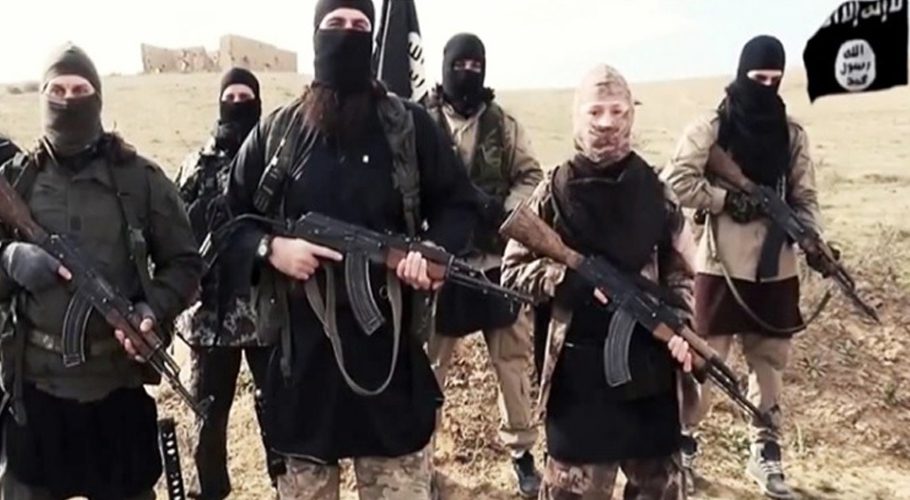
After analyzing statements from government officials and analysts, it appears that the incident is indicative of the involvement of ISIS (Daesh) elements. The question arises: what enmity does ISIS have with the religious party like JU-F and why are they attacking it?
Furthermore, Afghan affairs expert Rustam Shah Mohmand stated in an interview with private TV channel “Aaj News” that the reason behind the attacks on JUI-F is the ideological differences between Daesh and JUI. Just as there is a conflict between Afghan Taliban and Daesh in Afghanistan, the same is true for Pakistan, where Daesh poses the biggest challenge to JUI. Consequently, they target JUI wherever and whenever they can.
Rustam Shah Mohmand explained that such attacks have two purposes: inflicting harm on the rival group and creating excitement and fear in society to convey the message that those holding different ideologies will not be spared.
He added that Daesh in Khorasan (Afghanistan and Pakistan region) does not have many followers, nor does it enjoy much public support. Instead, they consist of some individuals from Tehreek-e-Taliban Pakistan (TTP) who have crossed the border to continue their activities with the support of like-minded individuals on the other side, promoting their ideology by targeting opponents.
Journalist Iftikhar Firdous, who founded the Khorasan Diary, also categorized the issue between Daesh and JUI based on three points. Firstly, when Daesh was establishing itself in Khorasan, JUI leaders issued their first fatwa against them, calling Daesh a “Khawarij” organization. Secondly, there is a connection between JUI and the Deobandi school of thought, which Daesh perceives as worthy of elimination.
Thirdly, Daesh rejects the concept of a caliphate and believes in democracy and nationalism, which is why they see JUI as “Khawarij” and believe their killing is obligatory.
Furthermore, Iftikhar Firdous mentioned that the head of Daesh in Khorasan, Dr. Shahab al-Muhajir, believed that their group should target two categories of people: tribal leaders who stand against them and religious scholars who oppose their ideologies. These details can be found in the Pashto book published by Daesh in Khorasan, titled “Asabato Jagara – The war of nerves.”
Regarding the Bajaur incident, Iftikhar Firdous noted that although it was significant, it seems that it is part of the plan to keep another major party of Khyber Pakhtunkhwa out of the elections. Responding to this, Rustam Shah Mohmand stated that if they temporarily accept this theory for a while, it benefits JUI-F and allows them to carry the point to the public as their supporter, as the majority of their followers adhere to the JUI ideology.
Thus, they can garner public sympathy, and those who were previously against them might come in their favor. Nevertheless, JUI-F is currently in a defensive mode and moving forward with caution.
When asked about this question, Iftikhar Firdous considered it an ideological conflict and did not agree with linking it to any political element or upcoming elections.”