










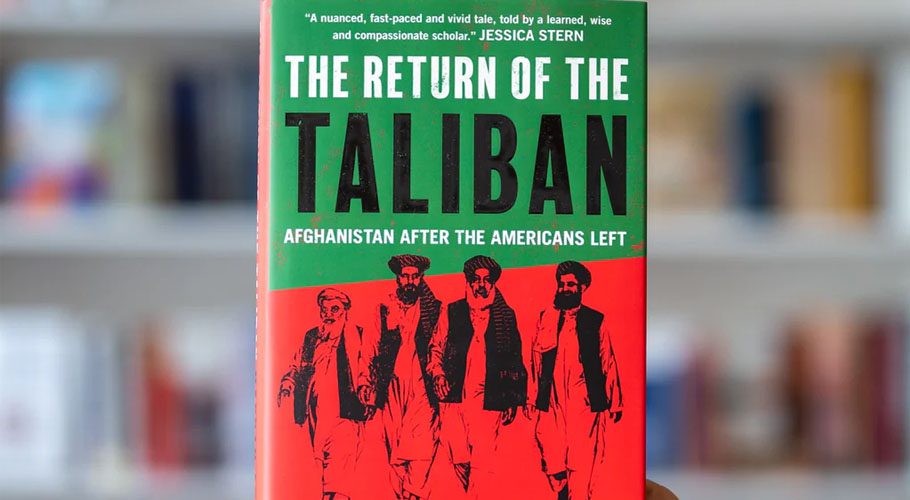
A new book titled “The Return of the Taliban” by Hassan Abbas, an international relations professor at the National Defense University in Washington, has shed light on the Taliban’s ties with Pakistan and India.
According to the book, Taliban Foreign Minister Amir Khan Muttaqi held a detailed meeting with Pakistan’s former army chief, Gen Qamar Javed Bajwa, before asking India to recall its diplomats and technical staff from Kabul.
The book, which is set to release in the US this week, also revealed that Pakistan’s former ISI chief, Faiz Hamid, had visited Kabul soon after the Taliban takeover. mThe book claimed that the Foreign Office had advised Gen Hamid to stay at the Pakistan embassy in Kabul, but the “overconfident” spy chief had dismissed it.
Later at a meeting with Pakistani politicians, including Foreign Minister Bilawal Bhutto-Zardari, he defended his action, stating that US and Chinese intelligence chiefs had also visited Kabul at the time. The book pointed out that Gen Hamid was the only one photographed, and his photographs and video clips of him sipping tea in the Serena Hotel in Kabul went viral.
The book also revealed that India’s return to Kabul “could not have happened without Pakistan,” adding that Pakistan acted this way because it might open up prospects of aid for the Taliban in Afghanistan. The book pointed out that Pakistan is as desperate for financial support to run Afghanistan as the Taliban themselves. While India has strategic interests in Afghanistan, it had cut off diplomatic ties with the Taliban after the takeover. However, the book notes that “India is now seriously reassessing its position and moving towards a balancing act in its effort to engage with the Taliban and help stabilize Afghanistan.”
The book discussed why the Taliban are eager to mend ties with India, stating that “the Taliban’s desire is simple – international legitimacy and recognition.” The book also noted that Kabul’s new rulers needed “huge external investments… to reconstruct and revive the country,” and India had the resources to do so. To demonstrate Gen Bajwa’s influence in Afghanistan, the book narrated the story of Taliban Minister for Finance Hidayatullah Badri, also known as Gul Agha Ishaqzai, who had suffered at the hands of the Pakistani security apparatus following 9/11. Later, Mr Muttaqi “personally took him to Gen Bajwa to extend the hand of friendship. Only Mr. Bajwa’s favorable nod gave him the opportunity” to become the country’s finance minister.
The book discusses the growing influence of ISIS in Afghanistan, stating that the group claimed responsibility for 262 attacks in the country from August 2021 to August 2022. The book claims that in a meeting between ISI chief Lt Gen Nadeem Anjum, CIA Director William Burns, and former ISI chief Gen Hamid in May 2022, Burns warned that if the trend continued, ISIS could control 20% of Afghanistan by mid-2023. The group’s top leadership was identified as a target, and intelligence sharing was emphasized. The book concludes that ISIS, not the Afghan Taliban, is now the primary threat to US and neighboring countries’ national security.
According to the book, Gen Hamid made a request to the Taliban high command during the initial phase of the their takeover to provide prominent positions to both Abdullah Abdullah and Hamid Karzai, but they refused to comply.
The book highlights China’s interest in maintaining a relationship with the Taliban government, as it states that China not only maintained its embassy’s operations but also supported the Taliban’s new position and encouraged the UN Security Council to release Afghanistan’s frozen funds.