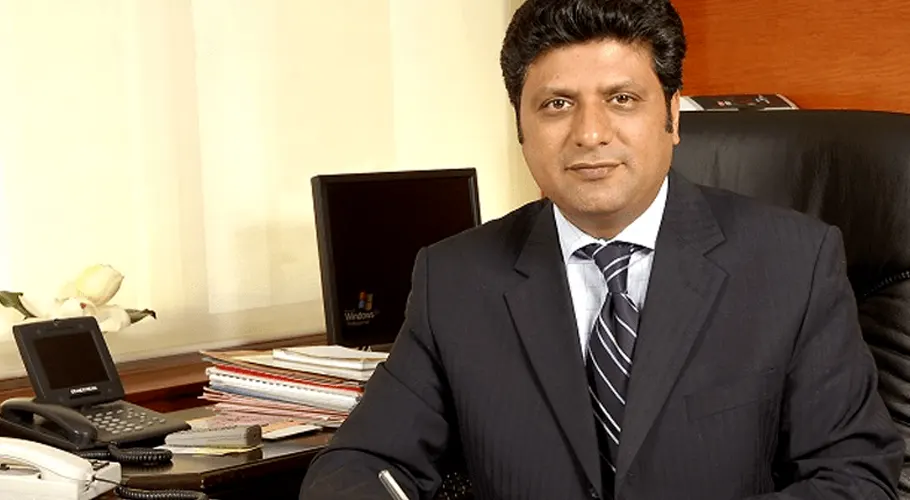





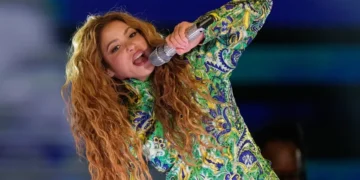





Ali Zafar and Meesha Shafi controversy that ignited about two years back has resurfaced, as the female singer along with eight others gets booked over by Federal Investigation Agency (FIA) over publicly defaming the Rockstar singer.
The decision has been taken by Federal Investigation Agency’s (FIA) cybercrime wing under section 20 of Prevention of Electronic Crimes Act (PECA) that relates to ‘offenses against dignity of a natural person’ and R/W 109 (Punishment of abetment) of the Pakistan Penal code (PPC).
Shortly, the officer of the Federal Investigation Agency (FIA) cybercrime wing, who registered an FIR against singer Meesha Shafi and eight others, was suspended from the service. Let’s take an in-depth of the controversial Meesha Shafi vs Ali Zafar case.
A timeline of the case
Meesha Shafi in 2018 released a statement on Twitter alleging that Ali Zafar sexually harassed her. Although the singer didn’t reveal details of the incident, she claimed that she had been subjected, on more than one occasion, to sexual harassment of a physical nature at the hands of Ali Zafar.
Meesha Shafi’s allegations against Ali Zafar stirred up a storm in the entertainment industry and beyond. Many hailed Meesha’s statement as a major milestone in Pakistan’s own #MeToo movement.
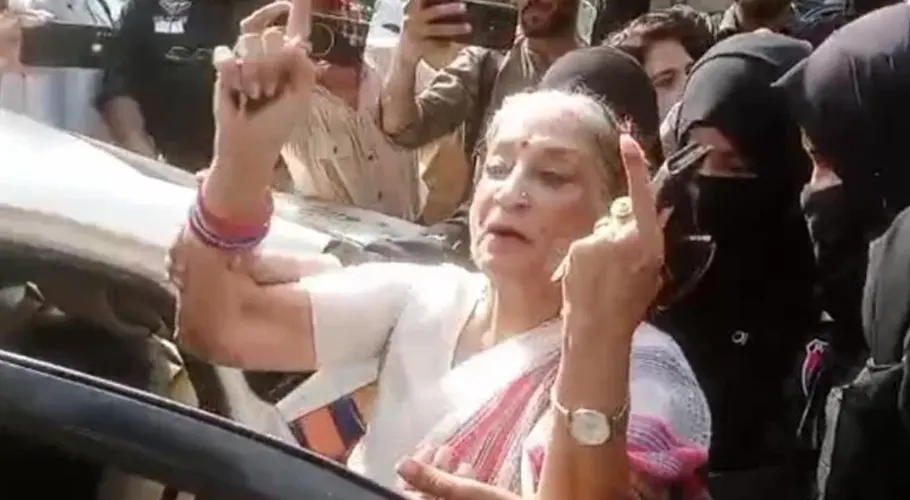
Meesha asked other women from the industry to step forward with their own stories of sexual harassment. Her mother Saba Hamid, stood in support of her daughter’s decision to speak publicly.
Later, Ali Zafar released a statement, responding to Meesha’s allegations. The Channo singer categorically denied “any and all claims of harassment lodged against me by Ms Shafi”.
Meesha Shafi filed Rs.2 billion lawsuit against Ali Zafar in 2019 for defaming her on national media and, hurting her sentiments and reputation. The filed lawsuit includes Rs1bn for the loss of goodwill and reputation caused and Rs1bn for “mental torture and agony”.
The suspects named in his application were summoned on several occasions but failed to appear before the cybercrime wing resulting in criminal proceedings against them. Shafi was also unable to produce any witness affirming her sexual harassment allegations. Although, the verdicts are yet to be determined.
Metoo Movement
In 2007, American activist Tarana Burke used the term ‘Me Too’ to raise awareness and stand with victims of sexual abuse. A decade later, the hashtag went viral as women came forward to accuse powerful men of harassment and misconduct.
Now, #MeToo has evolved into a global movement, generating new or spinoff hashtags in many languages. It has impacted countries around the world — and has also been transformed by them. In the midst of the coronavirus pandemic, activism on women’s rights and gender-based violence has not ceased.
A new turn
On September 29, a case was registered against singer Meesha Shafi by the Federal Investigation Agency (FIA) over harassment. Meesha Shafi and eight others have been booked for vilification against singer turned actor, Ali Zafar by the FIA.
Hence, the First Information Report (FIR) was lodged against the actress alongside actor-host Iffat Omar, Leena Ghani, Fariha Ayub, Maham Javaid, Ali Gul, Haseemuz Zaman Khan, Humna Raza and Syed Faizan Raza.
Later, the officer of the Federal Investigation Agency (FIA) cybercrime wing, who registered an FIR against singer Meesha Shafi and others, suspended from the service.
The Federal Investigation Agency’s (FIA) cybercrime wing claimed that they had suspended an official for acting as the unofficial spokesperson for the agency.
According to a private news channel, neither a show-cause notice was issued to Iqbal, nor any reason given for his suspension. A minister’s daughter accused Asif Iqbal of being a spokesperson for Ali Zafar on social media.
A private newspaper quoted a source and claimed that some influential persons in Islamabad played a role in getting the FIA officer suspended. “The investigator had also faced pressure to file a counter FIR against Ali Zafar on similar grounds (running a smear campaign against Shafi),” the private newspaper said while quoting a source.
ADVERTISEMENT