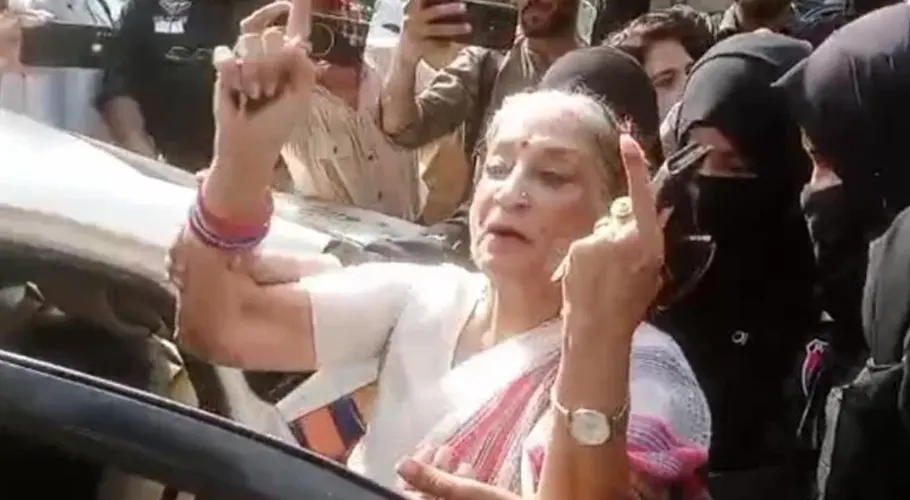











Women’s sports have gained immense popularity in recent times reflecting changes in modern societies that increasingly emphasise gender parity and in other parts of the world.
Although the level of participation and performance still varies greatly by country and by sport, women are generally accepted and even accepted to participate in sports and strongly-held taboos against women participation have been destroyed.
Despite a rise in women’s participation, there is a large disparity between women and men. These disparities are prevalent worldwide and continue to hinder equality in sports. Governments have not priortised women’s sport and institutions do not contribute to gender equity in sports.
Women who play sports face many obstacles, such as lower pay, fewer media coverage, and different injuries compared to their male counterparts. Many female athletes have protested against these inequalities such as playing strikes, social media campaigns, and even federal lawsuits.
Women’s cricket
Let us first speak about women’s participation in cricket as it remains the most popular sport in the region. Women’s cricket has a long history but has only gained popularity in recent times.
Women have played international cricket since 1934 when England and Australia played the inaugural Test match, and New Zealand joined the next year. There are now more than ten countries playing women’s Test cricket.
Women ODI’s have been played since 1973 and have become the focus of international cricket. The 1,000th women’s ODI took place between South Africa and New Zealand on 13 October 2016. Australia has dominated women’s cricket and won the World Cup five times since it was held in 1973
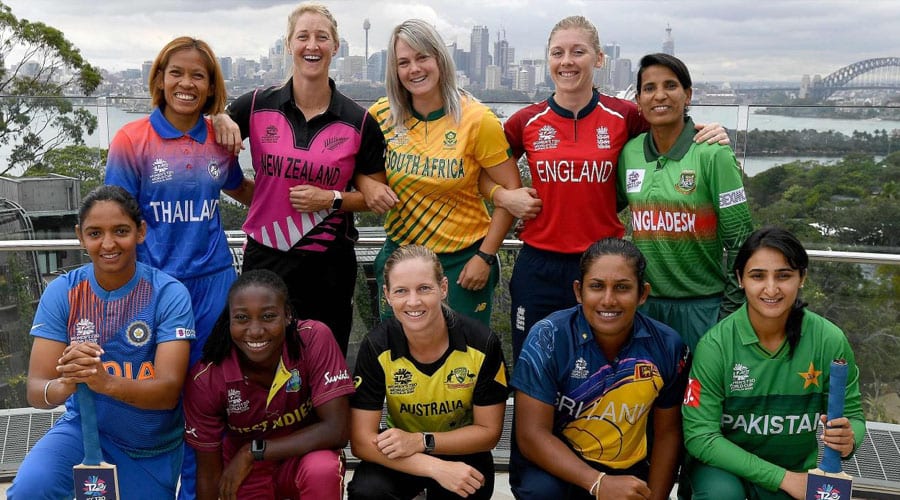
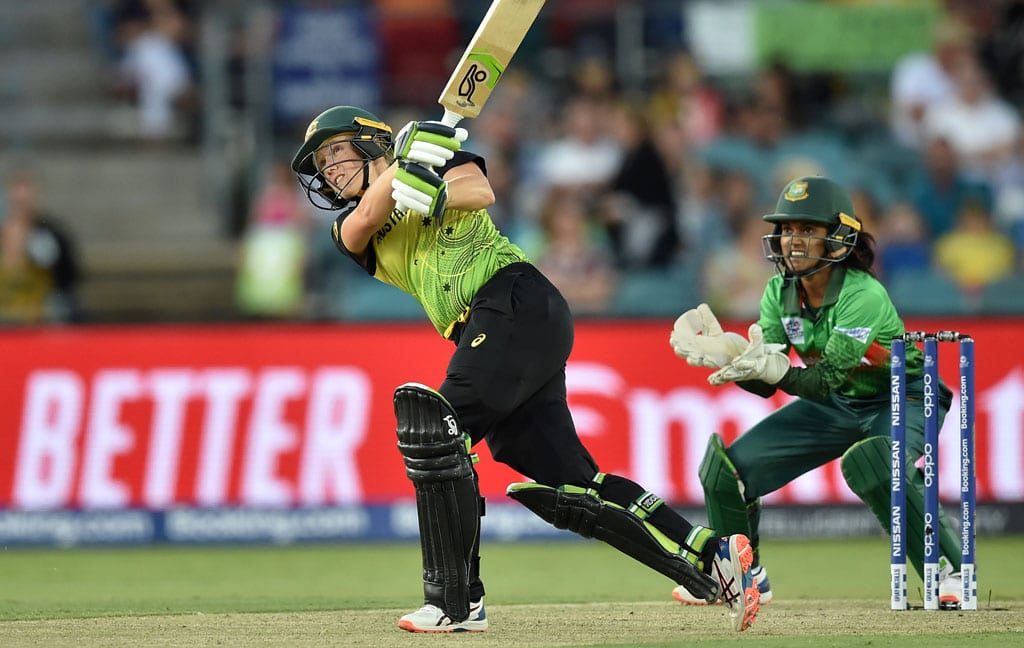
There has been a growth in Women’s T20 cricket in recent years. The first World T20 was held in 2009 and was won by England. The most recent was held on 8 March 2020 – on International Women’s Day – in which Australia defeated India in the finals held at Melbourne securing their fifth title.
The event held the record for the highest number of people attended as women sporting events as 86,174 people were in attendance at the Melbourne Cricket Ground, one of the largest stadiums in the world.
Pakistan women’s cricket
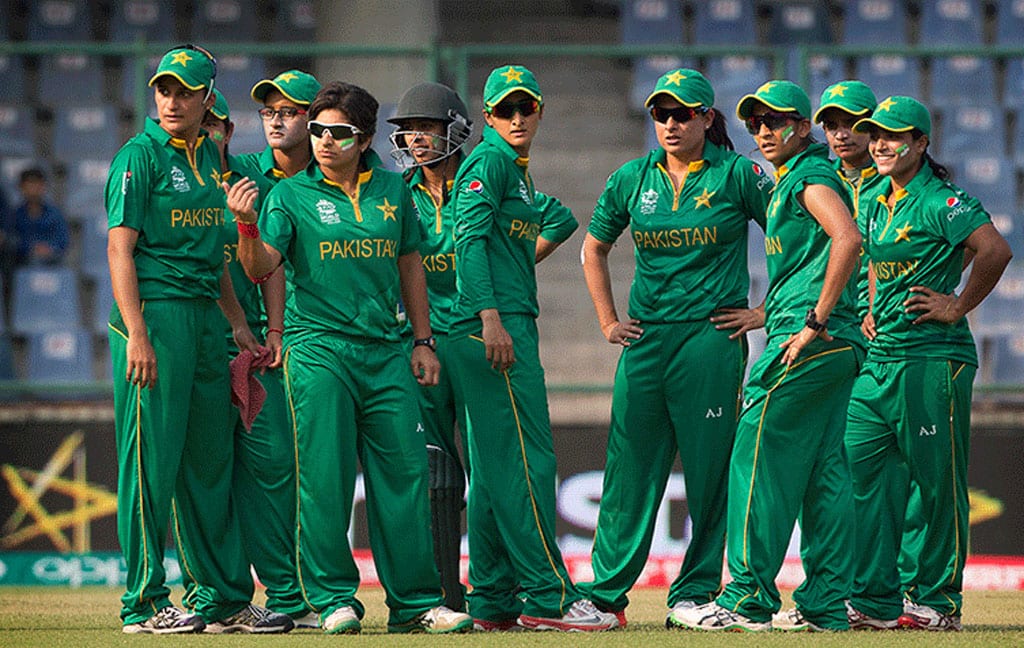
Pakistan women’s cricket team made its ODI debut way back in 1997 against New Zealand but remained of the least competitive teams. Pakistan women played the first Test match against Sri Lanka in 1998.
Pakistan participated in the 1997 World Cup but did not qualify for the mega-event until 2009. The team has been revamped and is not a full member of the International Cricket Council (ICC).
Women participation in cricket was frowned upon in conservative societies such as Pakistan. The formation of the first team was even considered illegal and met with court cases and death threats. Religious authorities ruled that women were forbidden from play sports and the government refused to give permission to play against India in 1997.
A lot has changed ever since and attitudes and views against women cricket have softened. Cricket is seen as an improvement in women’s rights despite several other obstacles. The women’s cricket team is currently ranked seventh in ICC standings.
Importance of women’s sports
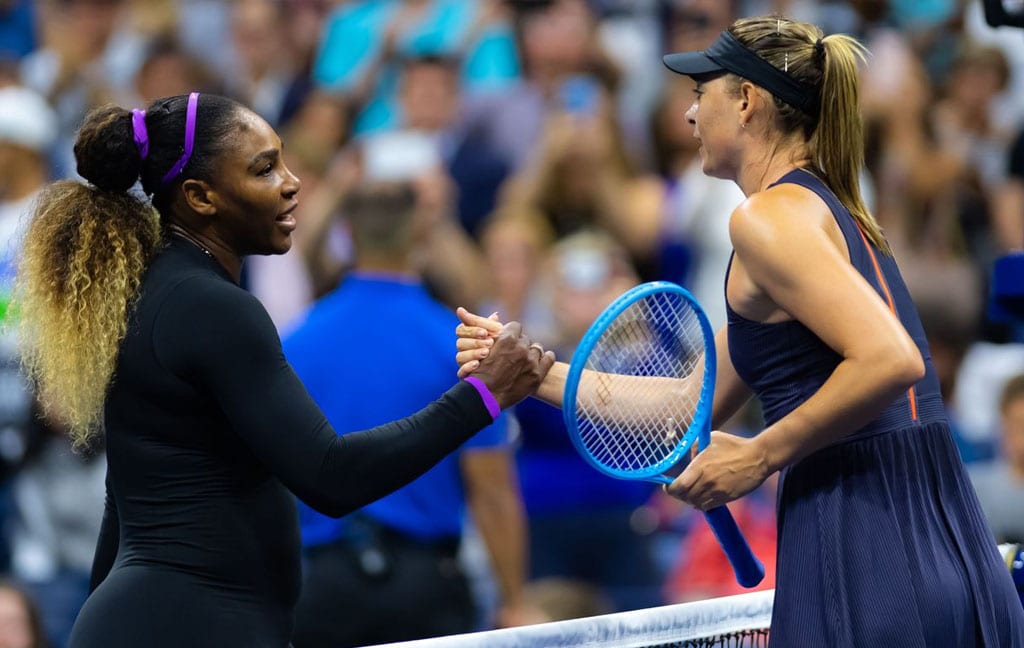
Sport has the power to change lives. It teaches teamwork, self-reliance, resilience and confidence, and is one of the great drivers of gender equality.
Women in sport defy gender stereotypes and social norms, make inspiring role models, and show men and women as equals. Yet they face widespread discrimination and lack of importance.
We know that world’s fastest bowler is Shoaib Akhtar, while Sachin Tendulkar holds the record for the most centuries. But can you name any women cricketer with a similar record? How many women cricketers or any other athletes can you name?
While men sporting event draws millions of viewers and are followed around the world, billions in sponsorship, and millions in numbers for players. Women sports remained under-financed, players are paid less than men, and the sport draw lower spectators.
Battle for equality in sports
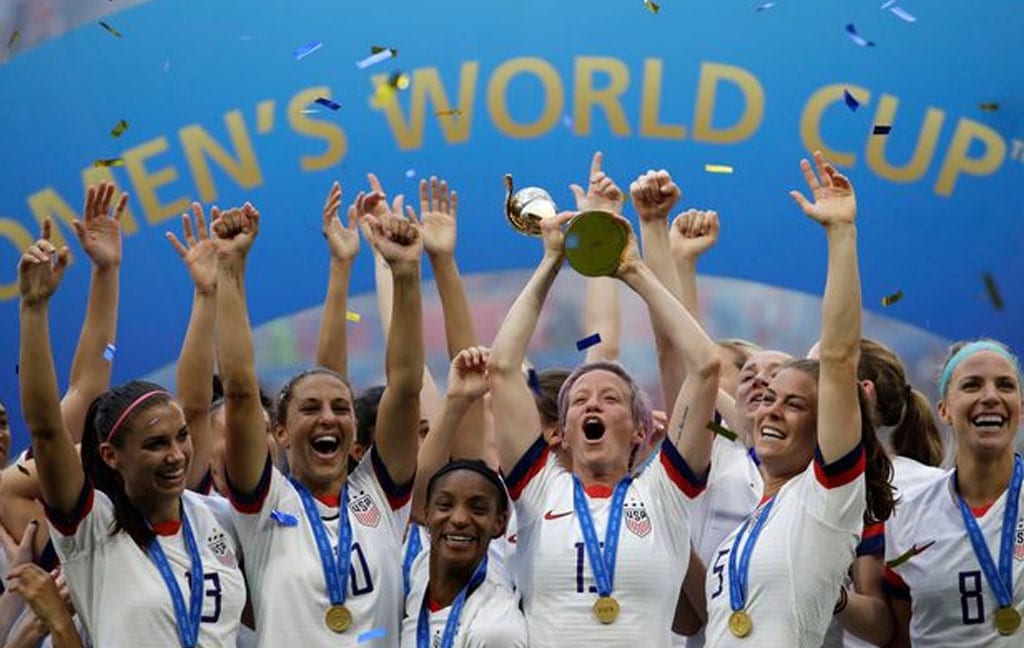
The 2012 London Olympics were the first sports in which women competed in every sport. The fight for equality on national level and professional sports continues. Men continue to finally and globally dominate sports while women should be neglected.
The pay gap in women sports in another controversial topic. Women athletes are paid far less than their male counterparts. In 2017, the US men’s soccer team players were $263,000 annually, while the women’s teach received only $99.000, showing the substantial gap in remuneration.
There is a substantial gap in FIFA World Cup as the battle equality in fair pay divulges in other sports. The German team which won the World Cup in 2016 was paid $35million in rewards, while the US women team which won the World Cup was paid two million dollars.
Basketball, golf, tennis, and even athletics are sports where women are paid more than men. In 2007, Wimbledon tennis became the first tournament awards equal prize money for both men and women.
It is argued that men athletes generate more revenue. However, when one compares revenue to salary then women athletes get extremely low. Women athletes have come a long way but still remain far behind in terms of pay, ticket sales, sponsorships, media coverage and patronage. The battle for equality continues even in the field of sports.
ADVERTISEMENT