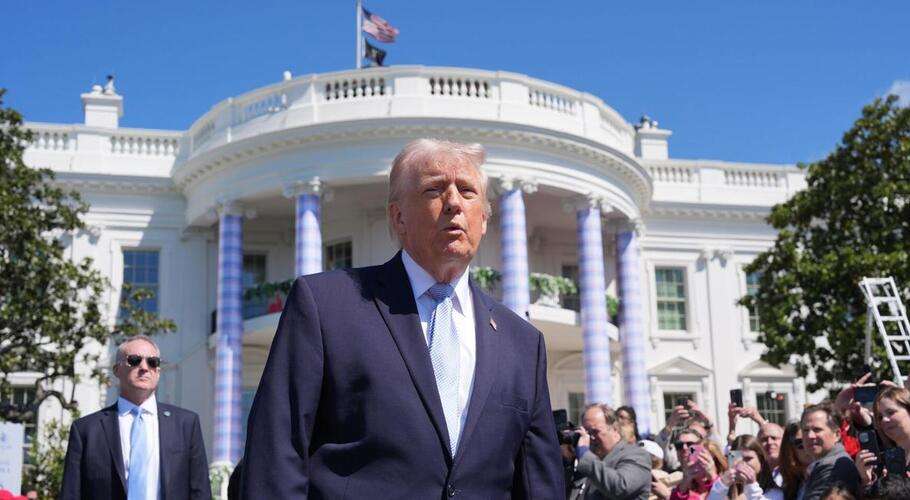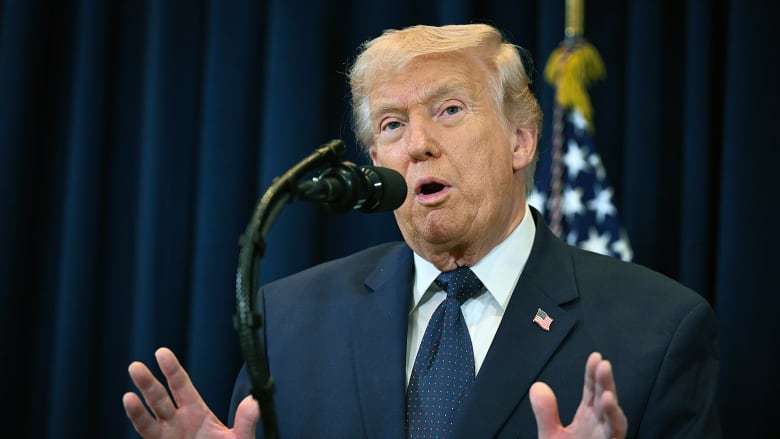











GENEVA: The World Health Organisation (WHO) has reiterated that the new coronavirus was of natural origin after United States President Donald Trump claimed he had seen evidence it originated in a Chinese lab.
Many scientists believe the virus was transmitted from animals to humans, emerging in China late last year, possibly from a market in Wuhan, selling exotic animals for meat. Trump claimed that he had seen proof that the Wuhan Institute of Virology was actually the source of the outbreak, although he refused to give details.
When asked about Trump’s claim during a virtual news conference, WHO emergencies chief Michael Ryan stressed that the United Nations health agency had “listened again and again to numerous scientists who have looked at the sequences” of the virus. “We are assured that this virus is natural in origin,” he said, reiterating a stance the UN agency has expressed previously.
The WHO said earlier said that it wanted to be invited to take part in Chinese investigations into the animal origins of the pandemic. “What is important is that we establish what that natural host for this virus is,” Ryan said, stressing the need to understand “how the animal-human species barrier was breached”.
“The purpose of understanding that is that we can put in place the necessary prevention and public health measures to prevent that happening again anywhere,” he said.
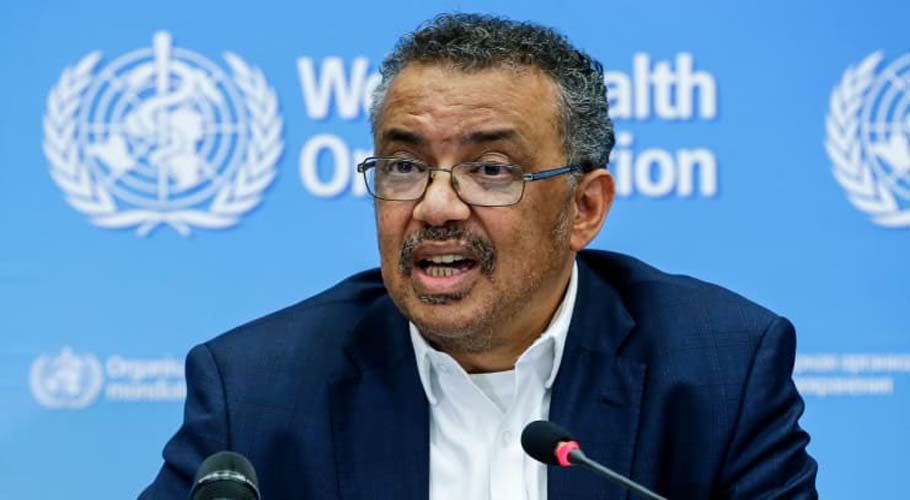
WHO chief Tedros Adhanom Ghebreyesus continued to push back against criticism at his organisation, by Trump in particular, who suspended funding after accusing the UN agency of downplaying the seriousness of the outbreak.
Tedros said the WHO had sounded the highest level of alert by declaring that the COVID-19 outbreak constituted a “public health emergency of international concern” on January 30 when there were only 82 cases and no deaths.
Tedros offered a vigorous defence of how the organisation responded. He insisted the WHO used the time before the declaration wisely, including visiting China to learn more about the virus at its origin. “We didn’t waste any time,” he told the briefing. “The world had enough time to intervene.”
The comments came after WHO’s emergency committee met for the first time since making its declaration three months ago. Tedros said the pandemic remains a public health emergency of international concern, after receiving recommendations from the committee comprising 19 independent experts.
The WHO also urged caution among nations relaxing their social distancing measures, stressing the importance of monitoring for new jumps in infections as lockdowns are eased. The officials said they had seen worrying increases in a number of these nations including Haiti, Somalia and Sudan.
ADVERTISEMENT