










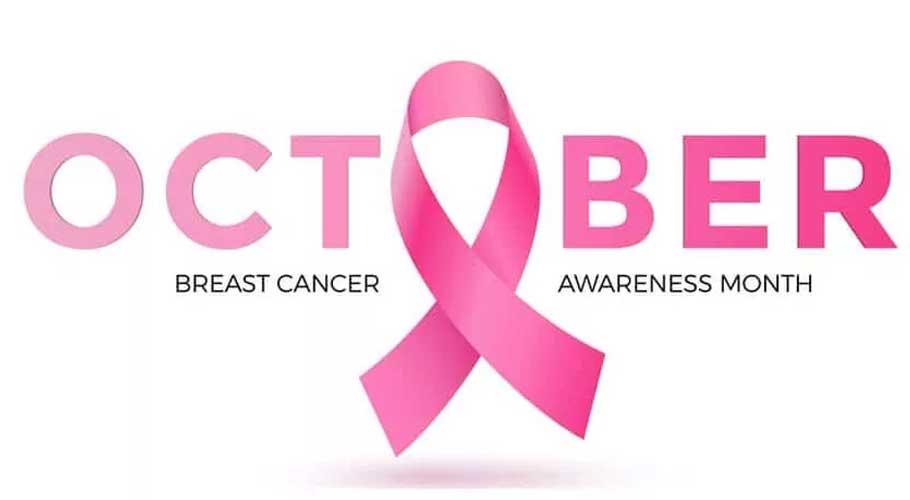
October is recognised worldwide as Breast Cancer Awareness Month. Every October, you likely see a wealth of information about breast cancer, which is a good thing. Awareness surrounding breast cancer is incredibly important as early detection can catch the disease when it is most treatable.
According to the World Health Organization (WHO), there are almost 1.38 million new cases and 458 000 deaths from breast cancer each year.
On a positive note, recovery is possible if it is detected and treated in its early stages. Here’s everything you need to know about early detection of breast cancer and how it is done.
What is Breast Cancer?
‘Breast cancer’ is a disease in which cells in the breast grow out of control. Breast cancer cells usually form a tumor that can often be seen on an x-ray or felt as a lump. Breast cancer occurs almost entirely in women, but men can get breast cancer, too.
There are different kinds of breast cancer. The kind of breast cancer depends on which cells in the breast turn into cancer. Breast cancer can spread outside the breast through blood vessels and lymph vessels. When breast cancer spreads to other parts of the body, it is said to have metastasized.
Breast Cancer statistics in Pakistan
The risk of having breast cancer has increased in Pakistan, whereby one in every 9 women in Pakistan has a lifetime risk of being diagnosed with breast cancer. The age-standardized incidence rate of breast cancer in Pakistan is one of the highest among Asian countries.
According to Pakistan ‘Pink Ribbon Society’, nearly 40,000 deaths are reported in Pakistan from breast cancer every year. Unfortunately, the rate of deaths due to breast cancer is also higher in the country, due to late diagnosis and delayed referral to appropriate facilities. Hence, early diagnosis and therefore early management of breast cancer can progress the survival rate.
Symptoms/ Signs
Every woman should know how her breasts normally look and feel, so she can recognize any changes that may occur. There are different symptoms of breast cancer, and some people have no symptoms at all. Symptoms may include
Any change in the size or the shape of the breast; A new lump in the breast or underarm; Pain in any area of the breast; Nipple discharge other than breast milk (including blood); Dimpling or skin irritation of breast skin.
If you have any signs that worry you, see your doctor right away.
Risk Factors:
The main risk factors for breast cancer include being a woman and getting older – most breast cancers are found in women ages 55 and older. Other factors that may increase risk include family history, race, breast density and menstrual period history.
In order to lower the risk of breast cancer: Get to and stay at a healthy weight; Be physically active; Balance your food intake; Limit or avoid alcohol. Not just women, men too are at risk of breast cancer but the risk in men is significantly low in men.
Breast Cancer Screening
A breast exam helps determine the presence of lymph and other change in the shape of the breast or nipple which can be a sign. Three tests are typically used in detecting breast cancer. Women should talk with their doctor regarding the best option for them.
Mammography: It is an X-ray that can help detect any abnormality in the breasts. It is often advised the women who are at a higher risk of breast cancer should get mammography done once a year.
Breast ultrasound: It is often used along with mammography for high-risk women who cannot undergo MRI, and women with dense breast tissue.
Breast MRI: A breast MRI (magnetic resonance imaging) may be used to screen high-risk women and gather more information about a suspicious area found on a mammogram or an ultrasound.
Early diagnosis can help the patient seek medical treatment on time and help in the removal of the tumour at an initial stage.
ADVERTISEMENT