










The coronavirus has engulfed the entire world as there is hardly any country left which has been unaffected by the global pandemic. Governments are announcing massive financial and economic stimulus package to prevent the negative impact of the ongoing situation.
Pakistan became the latest country as it unveiled a multi-billion rupee economic package to provide relief to citizens, particularly low-income groups whose livelihood has been badly affected by the coronavirus pandemic.
PM’s financial stimulus package
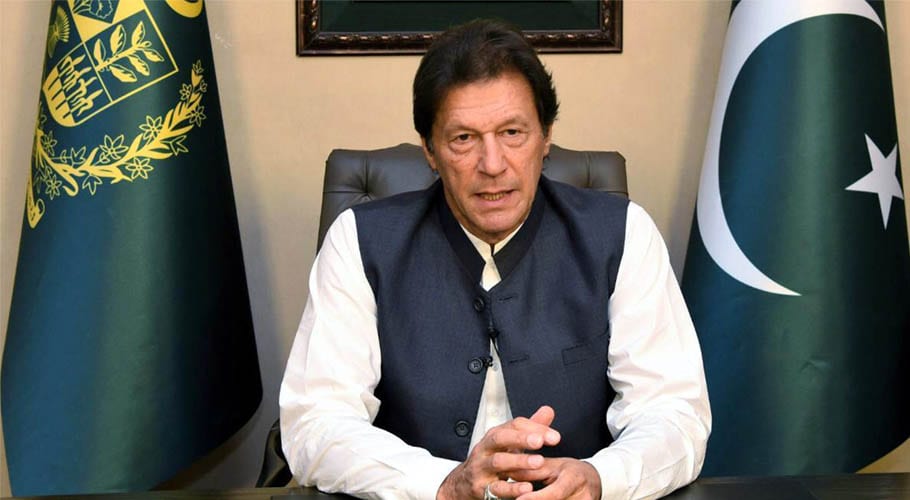
Prime Minister Imran Khan unveiled a financial relief package worth around Rs1.2 trillion to facilitate poor people in the prevailing circumstances and improving liquidity crunch for exporters and industrialists to keep the economy afloat.
The package includes reducing prices of petroleum products by Rs15 per litre, providing Rs3,000 monthly stipend for daily wagers under BISP, and facilitating the business community.
The package included Rs200 billion have been allocated for the labour class to mitigate their sufferings and Rs100 billion for small and medium enterprises (SMEs) and agricultural along with tax concessions, deferred interest payments, and concessional loan facility. The prime minister said exports and industry are vital for the economy and Rs100 billion have been reserved for release of tax refund immediately.
The Prime Minister said Rs150 billion have been reserved for poor families across the country. Similarly, Rs50 billion have been reserved for Utility Stores to provide essential items on subsidized rates, whereas Rs280 billion have been allocated for wheat procurement.
Electricity consumers using up to 300 units will be allowed to pay their bills in three monthly instalments, while gas consumers will have similar facility for bills up to 2000 rupees.
Furthermore, an amount of Rs50 billion have been kept for medical workers for necessary supplies, Rs23 billion to National Disaster Management Authority (NDMA), and a further Rs100 billion rupees have been reserved to handle the negative impact of the lockdown.
The government has also reduced or abolished taxes on edible items like oil, ghee, and pulses to lower the prices of kitchen items to facilitate common man. The network of shelter houses will be expanded to accommodate more people, while a special package for construction industry will also be announced soon.
Relief efforts in Sindh
The government is constantly keeping a vigilant eye on the evolving situation amid COVID-19. Along with the federal governments, severe government have providing financial stimulus and relief package to its citizens amid the coronavirus crisis.
Chief Minister Sindh Murad Ali Shah has set a ‘Corona Relief Fund’ with a provision of Rs3 billion to provide necessary food supplies to deserving people impacted by the lockdown. The chief minister has urged philanthropists, wealthy individuals, and welfare organisations to contribute and help in the struggle against the pandemic.
Members of the Sindh cabinet, ministers, advisers, and MPAs of the PPP has contributed their one-month salary to the relief fund. The chief minister has released Rs6.7 billion in the fight against the virus while another sixty million were set up for quarantine centre in Sukkur.
The provincial has also started its programme to distribute to million ration bags to the needy amid the lockdown. A mobile service has been set up which sent an SMS and rations bags will be provide to poor people. The provincial disaster management authority is on board to provide assistance in this regard.
Punjab unveils relief package
Punjab Chief Minister Usman Buzdar was the next to announce a financial stimulus package and released Rs11 billion for the provincial health department in the fight against coronavirus.
Buzda said health officials have been instructed to purchase the equipment and medication especially personal protection equipment (PPEs). The department has also been directed to immediately make eight laboratories fully functional for which a sum of Rs620 million has already provided.
He said Rs2bn would be given to the provincial disaster management authority (PDMA) and Rs60 million to the district governments to take effective measures to curtail the spread of the virus.
CM Buzdar said that the provincial cabinet and government has decided to donate one-month salary to the fund set up to tackle coronavirus situation, while 10,000 doctors and medical staff including retired doctors will be hired to tackle the coronavirus situation.
Is this enough?
While the relief package by the provincial and federal governments should be welcomed, these are deemed insufficient and unlikely to make any significant impact on people who have lost their livelihoods amid the coronavirus crisis.
The relief fund set up by the Sindh government has an outlay of Rs3 billion which is insufficient for a population of forty million residents across the province. This implies an average of Rs150 per person only which is peanuts.
The prime minister has also offered a financial relief of Rs3000 per person which amounts to only a hundred rupees per day. Many people have lost their jobs, schools have refused to pay teachers, domestic servants are being fired, and factories are laying off labourers during the crisis.
The government should increase the financial and economic stimulus to the working class and other lower segments of society. These are the worst affected by the coronavirus crisis and deserve to receive the most help in these tough and testing times.
ADVERTISEMENT